
Youth Mental Well-being
Join the Resilience Collective in Singapore and discover inspiring stories of strength, community and unity that showcase the power of resilience.
Youth mental health refers to the emotional, psychological, and social welfare of young people, comprising their ability to cope with life problems, build healthy relationships, and adequately deal with stress and adversity. It is made up of a state of good mental well-being, resilience, and having the ability to seek help when needed. In Singapore, where young mental health issues are on the rise, focus is not only on discovering and treating mental health disorders but also on facilitating recovery from mental health among youths.

Mental health recovery Singapore among youths involves the process of recovery of gaining and maintaining emotional well-being and stability after surviving mental health issues. It includes access to the right mental health treatment, support systems, and practices that enable young people to rebuild their lives and realize their full potential. Mental health recovery for Singaporean youth means fostering resilience, using effective interventions, and reducing the stigma of mental health issues. It is a comprehensive system that recognizes the uniqueness of the needs and capacities of adolescents and assists them along the path to a fulfilling and mentally sound existence.
Indications of Healthy Adolescent Mental Health

- Exhibit Resilience: They are successful at coping with stress, adversity, and difficulties, recovering from challenging situations with optimism.
- Have Healthy Relationships: They have positive and affirmative relationships with friends and peers, family and friends, and these are determinants in upholding emotional health.
- Communicate Effectively: They are able to communicate freely and constructively regarding their thoughts, feelings, and concerns with other people.
- Set Realistic Goals: They are aware of the goal of life and are able to set realistic goals for themselves regarding studies as well as personal life.
- Manage Emotions: They are able to control and manage their emotions in a healthy manner, which reduces the likelihood of emotional distress or mental illness.
- Engage in Healthy Activities: They engage in physical activity, hobby, and interest that promote active and balanced living.
- Seek Assistance When Necessary: They learn when to seek assistance from concerned adults or professionals when they have mental illness issues, and stigma does not deter them.
- Live a Balanced Life: They make sure that they take care of themselves, for example, having good sleep, eating well, and resting, which are absolutely crucial for healthy mental states.
- Demonstrate Self-Confidence: They possess positive self-concept and healthy self-esteem, which are instrumental in their overall mental health.
- Practice Empathy: They practice empathy and sympathy towards people, having a supportive and caring social network.
- Practice Stress-Reducing Techniques: They employ positive coping skills, such as mindfulness, deep breathing, or relaxation techniques, to manage stress and anxiety successfully.
All of these characteristics work together to establish a sound foundation of good mental health in pre-teens and teenagers, allowing them to manage the issues of adolescence and lay themselves out for a healthy trajectory in their adult lives.
Building Positive Mental Health in Pre-Teens and Teens
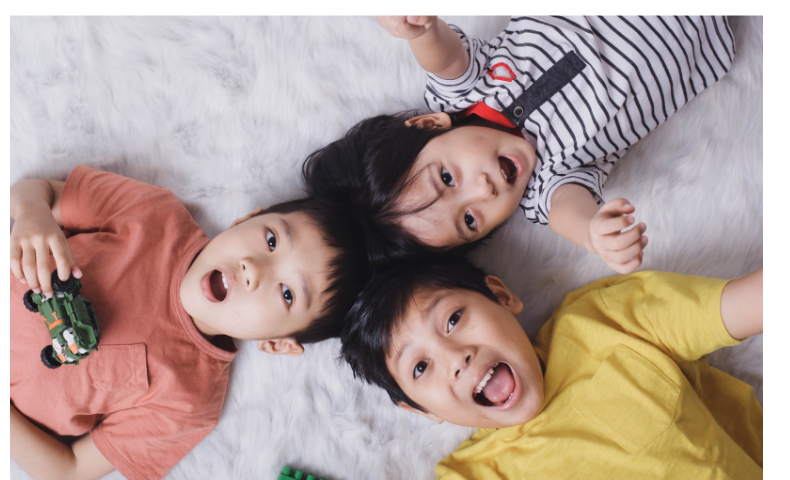
1. Open Communications: Practice open and honest communication with your child.
2. Healthy Lifestyle: Promote balanced eating, exercise, and sleeping.
3. Positive Role Models: Provide them with positive and supportive role models.
4. Emotional Awareness: Lead them to know and control their feelings.
5. Stress Management: Provide them with stress management skills, including relaxation techniques.
6. Set Realistic Goals: Instruct them on setting realistic educational and personal goals.
7. Supportive Relationships: Practice healthy relationships with peers and close family bonding.
8. Limit Screen Time: Place reasonable limits on social media and screen use.
9. Teach Resilience: Promote resilience by reframing disappointments as learning experiences.
10. Seek Help When Needed: Emphasize the importance of seeking assistance when having issues.
These habits attempt to create an encouraging atmosphere where resilient mental health can grow in adolescents and pre-teens.
Warning Signs of Mental Health Issues in Children Less Than 12
- Drastic Changes in Behavior: Sudden and extreme changes in behavior, such as more irritability, aggression, withdrawal, or abnormally excessive fearfulness.
- Difficulty Focusing: Difficulty with sustained focus, attention, or declining school performance.
- Widespread Mood Swings: Frequent and unexplained mood swings, such as uncharacteristic outbursts of anger or sadness.
- Social Withdrawal: A significant decrease in interest in social activities, withdrawal from family and friends, or avoidance of pleasurable activities.
- Changes in Sleep Patterns: Sudden disturbances in sleep, like insomnia or excessive sleeping.
- Changes in Appetite or Weight: Noticeable change in the pattern of eating, appetite, or unexpected loss of weight or gain.
- Fear of School: Extreme fear or avoidance of attending school, and typically illness is complained of.
- Excessive Worry or Anxiety: Unreasonable and repetitive worries, fears, or phobias that disrupt daily activities.
- Excessive Tearfulness: Crying or sadness in excess without apparent reason.
It is vital that the caretakers, parents, and teachers of Singapore remain vigilant for such signs and, if needed, seek the assistance of specialists or utilize community mental health Singapore**** services including peer support towards mental health recovery. Peer support for mental health is a valuable choice that evokes a sense of belongingness and acceptance among youth who are struggling with mental health issues.
Encouraging Your Child to Share Their Emotions
- Active Listening: Create a comfortable environment for your child to talk, and listen attentively without interrupting or judging.
- Ask Open-Ended Questions: Pose open-ended questions that require more than a simple "yes" or "no" answer.
- Share Your Own Emotions: Emotional modelling can help them feel more comfortable opening up about their feelings.
- Validate Their Feelings: Inform them that it's acceptable to feel what they are feeling, no matter if it differs from your emotions.
- Be Patient: Allow them space and time to talk and do not push them to speak when they're not ready.
- Utilize Art or Play: Young children might prefer to express themselves using art, play, or storytelling.
- Set Regular Check-Ins: Plan to talk regularly, which may provide them with a sense of predictability and openness.
- Respect Their Privacy: Sometimes they may need some alone time to deal with their feelings prior to being able to talk about them.
- Avoid Criticizing: Be careful not to criticize or downplay their feelings, even if you do not completely understand them.
In this way, you are then able to create an environment where your child feels safe and comforted in sharing with you their feelings and thoughts.
Conclusion
Placing the recovery of mental well-being in Singapore first for the youth is a priority. Early recognition of mental illness in children and effective communication enable us to open doors to their well-being. Fostering good mental well-being in pre-teens and adolescents and community support, like peer support for mental recovery, enables us to create a brighter and healthier future for the youth in Singapore.