
Why Mobile Dentistry Is Reshaping the Future of Elder Care in America
Mobile dentistry delivers preventive dental care directly to seniors at home and in care facilities. It reduces emergencies, supports overall health, and restores dignity through timely care.
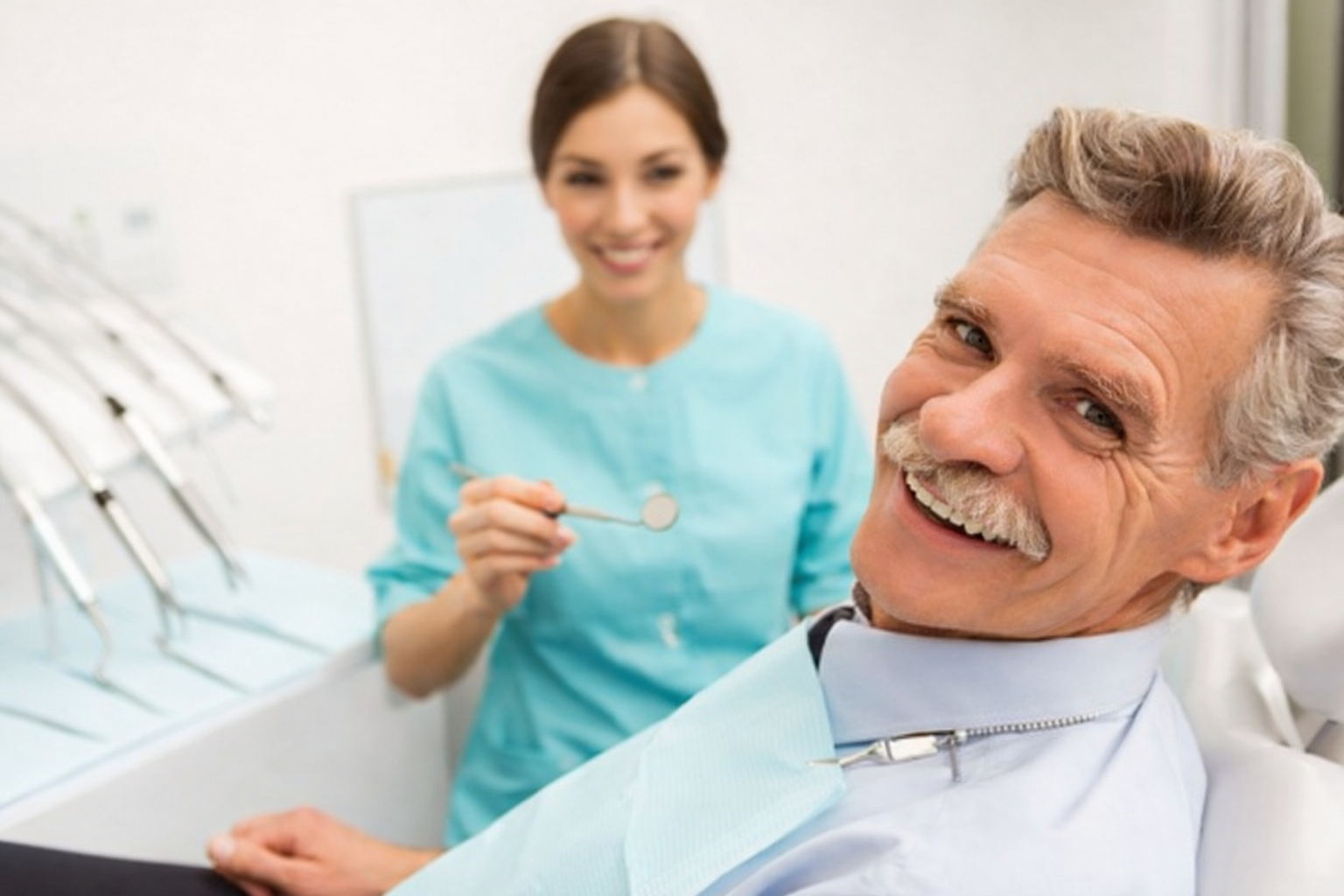
It often starts with a quiet concern.
A daughter notices that her father is eating less. A caregiver mentions the bleeding gums of a senior. A nurse documents unexplained weight loss.
The real issue sits in the mouth. But the solution? It feels out of reach. Because transportation is hard, anxiety levels are high, appointments get postponed, and pain becomes normalized.
As we move into 2026, this pattern repeats across homes, assisted living communities, memory care units, and skilled nursing facilities. The system was never built for aging bodies or aging minds.
That is why mobile dentistry for seniors is no longer optional. It is becoming one of the most practical and humane responses to an aging population. A well-structured mobile dental practice brings care where seniors live and restores dignity before crisis takes hold.
The Growing Gap Between Aging Adults and Traditional Dental Care
Why the Current System Misses Older Adults
Traditional dentistry assumes a patient who can drive, sit upright, tolerate bright lights, follow instructions, and advocate for themselves. Many older adults, though, cannot meet those expectations.
Mobility limitations, cognitive decline, chronic illness, and medication side effects all change how the mouth ages. This is where geriatric dental care becomes essential. It adapts dental treatment to the realities of aging bodies, slower healing, and higher medical risk.
Many seniors still rely on dental systems designed for younger adults. When access becomes difficult, care shifts to crisis mode. Pain drives appointments and visits. Infection drives hospitalization. Preventive care disappears.
For families and caregivers, dental care for elderly patients often falls to the bottom of an already overwhelming list. Not because it does not matter, but because the system makes it so hard to manage.
What the Data Shows About Access and Outcomes
Adults aged 65 and older now make up over 17% of the United States population, and that number continues to rise toward 2030, according to the U.S. Census Bureau. More older adults live longer with complex medical needs.
About 1 in 5 adults over age 65 lives with untreated tooth decay, according to the CDC. The numbers are even higher for seniors who have trouble getting regular dental care.
When decay goes untreated, it does not stay in the mouth. It can make eating painful, limit proper nutrition, disrupt blood sugar control, and increase the risk of serious infections.
The World Health Organization (WHO) also reports that poor oral health in older adults is linked to a higher risk of aspiration pneumonia, especially in nursing homes. This matters because pneumonia remains one of the leading reasons older adults are hospitalized and one of the most common causes of death in later life.
What This Looks Like in Real Life
I have seen this pattern repeatedly. A resident misses routine care because transportation feels disruptive. As a result, dentures loosen, oral sores develop, eating becomes painful, and weight drops. Within weeks, the resident lands in the hospital with either dehydration or infection.
A mobile dentist for the elderly could have intervened early. A simple adjustment. Preventive cleaning. Caregiver education. That small visit could have prevented a medical crisis.
When access fails, the consequences extend far beyond teeth.
What a Mobile Dental Practice Actually Does Differently
Bringing Care Into Familiar, Safer Environments
A mobile dental practice brings dental care directly to where seniors live. This can be a private home, an assisted living community, a memory care unit, or a skilled nursing facility. Care comes to the patient, not the other way around.
This approach lowers anxiety because seniors stay in familiar surroundings. It improves cooperation because daily routines stay the same. It also improves safety because the dental team adjusts the pace and positioning to fit the person, not a dental chair.
For seniors with dementia, familiarity is a critical factor. Familiar spaces reduce their confusion. Hence, resistance decreases. Care becomes calmer, safer, and more effective for everyone involved.
Evidence Behind Care in Place
The World Health Organization reports that oral diseases are a serious global health problem. Older adults and people who struggle to access care are affected the most. To reduce this burden, the organization highlights prevention and better access to dental care as essential steps.
Providing care in familiar places supports seniors who are sensitive to change. This approach follows trauma-informed and dementia aware practices. When care happens in a setting a senior knows, stress decreases and outcomes improve, especially for those who struggle with transitions.
How Families and Facilities Use This Model Today
Families use mobile dentistry for seniors to keep up with regular dental care without the stress of travel. Dental teams come directly to where seniors live, making care easier to manage.
Care facilities include mobile visits as part of everyday health routines, infection prevention efforts, and inspection preparation.
When visits are scheduled ahead of time, teams can prevent problems instead of rushing to fix emergencies. Oral care becomes consistent, well-documented, and shared across the care team.
Providing care where seniors live protects dignity and lowers health risks for everyone involved.
Prevention Over Crisis- The Real Power of Mobile Dentistry
Why Preventive Oral Care Matters More With Age
Aging changes the mouth. Saliva production drops. Medications cause dry mouth. Dexterity decreases. Healing slows. Immune response weakens.
These changes make older adults more vulnerable to decay, gum disease, fungal infections, and denture related sores. Waiting for pain is dangerous in geriatric dental care because pain often signals advanced disease.
Preventive care catches problems early. It protects nutrition, comfort, and overall health.
What Research Tells Us About Oral Systemic Links
Systematic reviews cited by the World Health Organization associate poor oral hygiene with aspiration pneumonia in older adults, particularly those in long term care. Oral bacteria migrate into the lungs during swallowing and sleep.
Health reporting by The New York Times has highlighted research showing that preventive oral care in long term care settings can reduce hospitalizations and improve quality of life.
The mouth cannot be separated from the body. When oral health declines, systemic health follows.
Applying Prevention in Daily Care Routines
A mobile dentist for the elderly does more than fix dental problems. Mobile teams teach caregivers using simple language. They track oral changes over time. They treat daily oral care as a basic part of overall health.
Facilities that focus on dental care for elderly patients see fewer dental emergencies and more comfortable residents. When teams stay consistent, prevention works.
Small steps taken today can help prevent serious medical problems tomorrow.
The Expanding Role of the Mobile Dentist for the Elderly
Beyond Treatment- Education and Collaboration
Mobile dentistry goes beyond dental treatment. Care teams work closely with nurses, doctors, dietitians, and caregivers. They help families understand what is normal with aging and what signs need attention.
Clear education builds confidence. Caregivers know what to look for. Families do not have to wait and worry.
Working together this way improves care and outcomes at every stage.
Workforce and System Level Impacts
As healthcare systems shift toward value based care, prevention matters more than volume. Mobile dentistry reduces emergency department visits related to oral infections and pain. It supports infection prevention goals.
A strong mobile dental practice also eases workforce strain by reducing unnecessary transfers and medical complications.
What This Means for the Future of Elder Care
The mobile dentist for the elderly is becoming a core member of interdisciplinary care teams. Oral health no longer sits on the sidelines.
When dental care becomes part of everyday elder care, health outcomes improve. Fewer crises happen. Costs stay more manageable. Most importantly, seniors are treated with dignity.
Mobile dentistry for seniors supports the whole care system, not just oral health.
Why 2026 Is a Turning Point for Mobile Dentistry
Demographic Pressure and Workforce Shortages
The aging population continues to grow while healthcare staffing shortages deepen. Traditional models cannot scale to meet demand.
Mobile dentistry offers flexibility. It reaches more people with fewer barriers.
Policy, Technology, and Public Health Alignment
Public health priorities increasingly emphasize aging in place. Portable dental technology has improved. Awareness of oral systemic health connections has grown.
The World Health Organization continues to call for integrated oral health strategies that reach vulnerable populations.
What Forward Thinking Providers Are Doing Now
Providers who invest in mobile dentistry for seniors today position themselves for the future. They build partnerships with facilities. They train teams. They focus on prevention.
The future is not coming. It is already arriving at the front door.
Actionable Takeaways
- Schedule preventive dental visits before pain appears
- Treat oral care as part of daily health routines
- Choose providers trained in geriatric dental care
- Advocate for mobile services in care communities
- Educate caregivers using simple, consistent language
Looking Forward: Dignity as the Standard of Care
The mouth is not separate from the body.
And seniors are not separate from our responsibility.
As elder care evolves, we must ask a harder question. Are we designing systems for convenience, or for dignity?
Mobile dentistry for seniors challenges us to meet people where they are. Literally. Clinically. Humanely.
When we protect oral health, we protect lives. And that is the future elder care deserves.