
When to Consider Upgrading Your Septic System Instead of Pumping?
Upgrading your septic system is sometimes the smarter alternative to repeated pumping, especially when structural issues, environmental concerns, or increased household demands arise. Recognizing the signs early and acting proactively protects both your property and the environment.
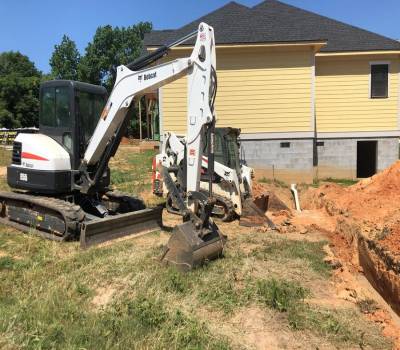
Septic systems are designed to manage household wastewater efficiently, but like any system, they have a finite lifespan. Many homeowners assume that regular pumping is sufficient to keep their system functioning, but in some cases, pumping alone may no longer be enough. Understanding when an upgrade is necessary can save money, prevent emergencies, and ensure long-term system performance.
With evolving technology and stricter environmental standards, knowing the difference between routine pumping and a full system upgrade has become more important than ever.
How Septic Systems Age Over Time
Septic tanks and drain fields are built to last for decades, but aging components gradually lose efficiency. Over time, the tank may corrode, baffles can weaken, and the drain field may experience soil compaction or clogging. These changes reduce the system’s ability to treat wastewater effectively and can lead to frequent problems.
Educational resources like Septic Pumping in Anderson highlight the importance of monitoring system health. While regular pumping is essential, homeowners need to recognize when physical wear or outdated design compromises the system’s overall function.
Signs That Pumping May No Longer Be Enough
Routine pumping removes sludge and scum that accumulate in the tank, but it does not address structural issues or environmental limitations. Homeowners should consider an upgrade if they notice:
- Persistent backups despite recent pumping
- Slow drains and frequent toilet or sink clogs
- Sewage pooling near the drain field
- Unpleasant odors in and around the property
These signs indicate underlying problems that pumping alone cannot resolve. Ignoring them increases the likelihood of system failure and expensive repairs.
Why Upgrading Can Improve System Longevity
One of the most effective septic system maintenance practices is knowing when to transition from pumping to an upgrade. Modern septic technologies offer improved efficiency, reduced environmental impact, and longer system lifespans. Upgrades may involve replacing the tank, expanding or redesigning the drain field, or installing advanced treatment units.
By upgrading, homeowners not only restore system capacity but also reduce the frequency of service calls and the risk of preventing septic system failure caused by outdated components. An upgraded system can handle increased wastewater flow and meet stricter environmental requirements.
Environmental and Health Consideration
Older or compromised septic systems can leak untreated wastewater into the surrounding soil, posing health risks and potential contamination of groundwater. Regular pumping removes solids but cannot prevent all environmental hazards. Upgrading ensures that wastewater is treated effectively before being released, safeguarding both the household and local ecosystem.
Maintaining a proactive approach through timely upgrades demonstrates responsible ownership and aligns with recommended septic system maintenance practices.
When an Upgrade Makes Financial Sense
While pumping is a routine expense, repeated emergencies, frequent repairs, or persistent system inefficiencies can make replacement more cost-effective. Consider an upgrade if:
- Pumping is needed more than every 1–2 years
- Repair costs are approaching or exceeding replacement costs
- The home has expanded, increasing wastewater volume
- Drain field failures continue despite repeated intervention
By acting early, homeowners avoid emergency replacements that are often more expensive and disruptive.
How Upgrades and Pumping Work Together
Even after upgrading, pumping remains an essential part of maintenance. New tanks and treatment units still accumulate solids over time. However, modern systems are designed to handle waste more efficiently and reduce the frequency of service. Combining regular pumping with strategic upgrades ensures long-term reliability and helps prevent costly failures.
Conclusion
Upgrading your septic system is sometimes the smarter alternative to repeated pumping, especially when structural issues, environmental concerns, or increased household demands arise. Recognizing the signs early and acting proactively protects both your property and the environment. By combining timely upgrades with professional care and septic system maintenance practices, homeowners can reduce risks and ensure lasting performance. Trusting experts like Septic Connection LLC ensures proper installation, reliable operation, and peace of mind for years to come.
Frequently Asked Questions (FAQs)
How do I know if my septic system needs an upgrade?
Signs include persistent backups, soggy drain fields, unpleasant odors, and repeated emergency pumping.
Can pumping alone ever fix an old or damaged system?
No, pumping only removes accumulated solids and does not address structural or drain field problems.
How long do modern septic system upgrades last?
With proper care, modern tanks and advanced treatment units can last 25–40 years or more.
Is upgrading my system environmentally safer than just pumping?
Yes, upgraded systems often include advanced filtration or treatment, preventing contamination of soil and groundwater.
How often should upgraded septic systems be pumped?
Even upgraded systems require pumping, though typically less frequently—usually every 3–5 years depending on usage.
Will upgrading my system increase my property value?
Yes, a modern, efficient septic system can be a strong selling point and reduce potential liability during home sales.