
When Cancer Becomes an Emergency: What Pet Owners Need to Know
Whether your dog suddenly stops eating or your cat is struggling to breathe, knowing when it’s more than “just a bad day” can be life-saving.
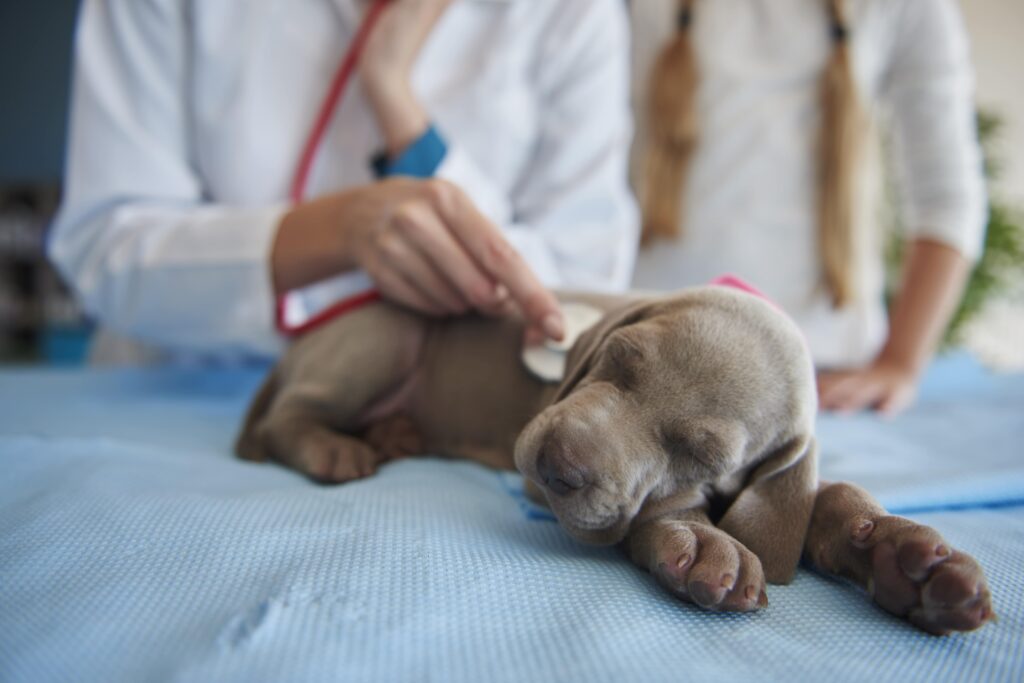
If you're a pet parent, the thought of your furry friend facing a medical emergency is terrifying—especially when it’s something as serious as cancer. While we often associate cancer with a slow onset, some cases can turn critical overnight, leaving you scrambling for answers and care.
In this post, we’ll break down what a cancer emergency in pets looks like, how to recognize the signs early, and what steps you should take to protect your pet. Whether your dog suddenly stops eating or your cat is struggling to breathe, knowing when it’s more than “just a bad day” can be life-saving.
What Is a Cancer Emergency in Pets?
Cancer doesn’t always give a warning. While some tumors grow quietly and are caught during routine pet wellness exams, others can become urgent very quickly. A pet cancer emergency occurs when symptoms escalate rapidly or when a tumor affects critical functions like breathing, digestion, or mobility.
These emergencies may stem from:
- Tumors pressing on vital organs
- Internal bleeding from ruptured masses
- Obstruction of the bladder or intestines
- Severe pain caused by fast-growing cancers
In these situations, getting your pet to a veterinary emergency clinic ASAP is crucial. Time really does matter.
Signs Your Pet Might Be Facing a Cancer Emergency
Not all symptoms are obvious at first—but they can evolve into full-blown emergencies. Here’s what to look out for:
1. New or Rapidly Growing Lumps
A sudden lump under your pet’s skin could be harmless—but it could also signal a malignant tumor. If you notice new growths, especially ones that grow quickly or seem painful, don’t wait to get them checked.
2. Unexplained Weight Loss
Losing weight without a change in diet or activity level is often a red flag. Weight loss in pets could mean the cancer is affecting the liver, pancreas, or gastrointestinal system.
3. Sudden Lethargy or Weakness
Is your normally energetic pup refusing to move? Or your cat hiding more than usual? Excessive fatigue in pets may be due to cancers that impact the blood, bones, or organs.
4. Difficulty Breathing or Persistent Coughing
Labored breathing could point to a tumor in the lungs or chest cavity. Any noticeable changes in how your pet breathes should prompt an immediate trip to the vet.
5. Vomiting or Diarrhea That Won’t Stop
Frequent digestive issues that don’t improve with basic care might be more than just a bad tummy. Chronic vomiting or diarrhea in pets can be a symptom of abdominal tumors.
6. Unusual Bleeding or Discharge
Whether it’s blood from the nose, mouth, or an unusual discharge from other areas, this could be a serious sign of cancer—especially in older pets.
7. Trouble Urinating or Defecating
If your pet strains or can’t go to the bathroom at all, this may indicate a tumor is blocking essential pathways. This is a true emergency that needs fast intervention.
What to Do if You Suspect a Pet Cancer Emergency
Let’s say you spot one or more of the above symptoms—what now?
Step 1: Stay Calm and Take Notes
Your ability to describe symptoms clearly can help the vet make quicker decisions. Make a quick list: When did it start? Has it worsened? Are there other changes in behavior?
Step 2: Call an Emergency Vet Immediately
Don’t second-guess yourself. Call your local emergency animal hospital and let them know you’re on your way. The team can prep for your arrival and guide you on what to do during transport.
Step 3: Transport Your Pet Safely
Support your pet gently during the ride. If they’re unable to walk or are in pain, use a towel or blanket as a makeshift stretcher.
Step 4: Share Your Pet’s Medical History
If your pet has a known cancer diagnosis or has been treated before, bring all documentation. Even recent bloodwork or vet notes can speed up the diagnostic process.
What Happens at the Emergency Clinic?
Once you're at the clinic, the vet team will jump into action. You can expect:
- Diagnostics: Blood tests, X-rays, and ultrasounds to locate the issue.
- Pain Relief: Your pet may be given meds to keep them comfortable right away.
- Stabilization: IV fluids, oxygen, or emergency surgery may be needed if organs are affected.
Some clinics, like North MS Pet Emergency, specialize in urgent pet oncology, combining emergency treatment with ongoing cancer care. This means they not only handle the crisis but also set you up with a long-term care plan.
Ongoing Pet Cancer Treatment: What Comes Next?
After the emergency is managed, your pet may need continued care through pet oncology services. Treatment options vary depending on the cancer type, stage, and your pet’s overall health.
Common follow-ups include:
- Surgery to remove tumors
- Referrals to oncology specialists for chemotherapy or radiation
- Palliative care focused on comfort and quality of life
The good news? With early intervention and proper treatment, many pets go on to live fulfilling, happy lives.
Final Thoughts: Don’t Wait on Unusual Symptoms
Cancer in pets is scary—but recognizing a potential emergency and acting quickly can change everything. Whether it’s a new lump or your pet is simply “not acting like themselves,” it’s better to be safe than sorry.
If you’re in the North Mississippi area and need expert help, check out North MS Pet Emergency for trusted, compassionate care specializing in pet oncology emergencies.