What Steps Are Involved In Selling A House Privately?
Selling a home without a real estate agent can feel overwhelming at first, but with the right approach, it can be a smooth and rewarding process.
Selling a home without a real estate agent can feel overwhelming at first, but with the right approach, it can be a smooth and rewarding process. Many homeowners choose selling a house privately to save on commission costs and stay in full control of the sale. Understanding each step upfront helps you avoid mistakes and move confidently from listing to settlement.
Below is a clear, step-by-step breakdown of what’s involved when you decide to sell your house privately.
Decide If Selling Privately Is Right for You
Before you begin, assess whether selling privately suits your situation. Selling without an agent requires time, organisation, and communication skills. You will manage pricing, marketing, inspections, and negotiations yourself.
If you enjoy being hands-on and want to maximise your sale price by avoiding agent commissions, selling privately can be a smart move. Platforms like Sale by Home Owner Australia exist to support homeowners through this process while still keeping control in their hands.
Research the Market and Set the Right Price
Pricing your home correctly is one of the most important steps in selling a house privately. Start by researching comparable properties in your area. Look at recent sales, not just listing prices, to understand what buyers are actually paying.
Consider factors such as location, property size, condition, and current market demand. If you price too high, buyers may ignore your listing. If you price too low, you risk leaving money on the table. Some sellers also choose to get a professional property valuation for added confidence.
Prepare Your Property for Sale
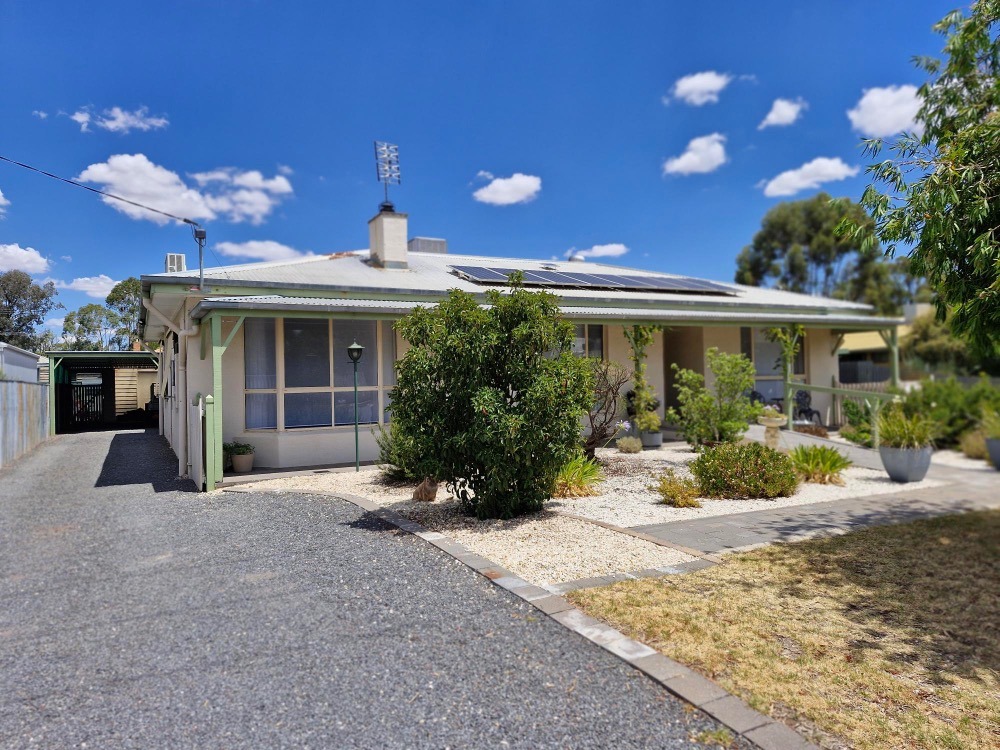
First impressions matter. Preparing your home properly can significantly increase buyer interest and final sale price.
Focus on:
- Decluttering and deep cleaning
- Making minor repairs
- Improving street appeal
- Neutralising décor where possible
Professional photography is also essential. High-quality photos make your listing stand out online and attract more enquiries. When selling a house privately, your listing is your main sales tool, so presentation is critical.
Create and Market Your Listing
Once your property is ready, it’s time to market it. A strong listing includes clear photos, a compelling description, and accurate property details.
Your description should highlight key features, lifestyle benefits, and nearby amenities. Be honest but persuasive. Effective marketing platforms allow you to advertise on major real estate websites without using an agent, giving your property maximum exposure.
Using a trusted service like Sale by Home Owner Australia can help you access these platforms while still managing the sale yourself.
Handle Enquiries and Conduct Inspections
When buyers start enquiring, respond promptly and professionally. Clear communication builds trust and keeps buyers engaged.
You’ll also need to organise and host property inspections. Whether you choose private appointments or open homes, prepare your property beforehand and be ready to answer questions about the home, the neighbourhood, and the sale terms.
This step is where selling a house privately really shines, as buyers often appreciate dealing directly with the owner.
Negotiate Offers Confidently
Negotiation is a crucial part of the process. Buyers may submit offers verbally or in writing, sometimes with conditions such as finance approval or settlement timelines.
Stay calm, know your minimum price, and don’t feel pressured to accept the first offer. You can counteroffer, request better terms, or walk away if the offer doesn’t meet your expectations. Being informed and prepared gives you confidence during negotiations.
Finalise the Legal and Contractual Requirements
Once you accept an offer, legal paperwork comes into play. This typically includes a contract of sale and other disclosure documents required by your state or territory.
Most private sellers engage a conveyancer or solicitor to manage this stage. They handle contracts, coordinate with the buyer’s legal representative, and ensure all legal obligations are met.
Move Toward Settlement
After contracts are exchanged, the sale moves toward settlement. During this time, the buyer finalises finance, and final inspections may take place.
On settlement day, ownership transfers to the buyer, and you receive the sale proceeds. Congratulations—you’ve successfully completed selling a house privately.
Final Thoughts
Selling your home privately involves multiple steps, but each one is manageable with preparation and the right support. From pricing and marketing to negotiation and settlement, staying organised and informed makes the process far less stressful.
For many homeowners, selling a house privately offers greater control, transparency, and significant financial savings—making the effort well worth it.