
What Is the Process of Designing Custom Food Paper?
Creative branding, quality material, and suppliers are included when designing custom food paper. Find out all the procedures for producing standout food wraps.
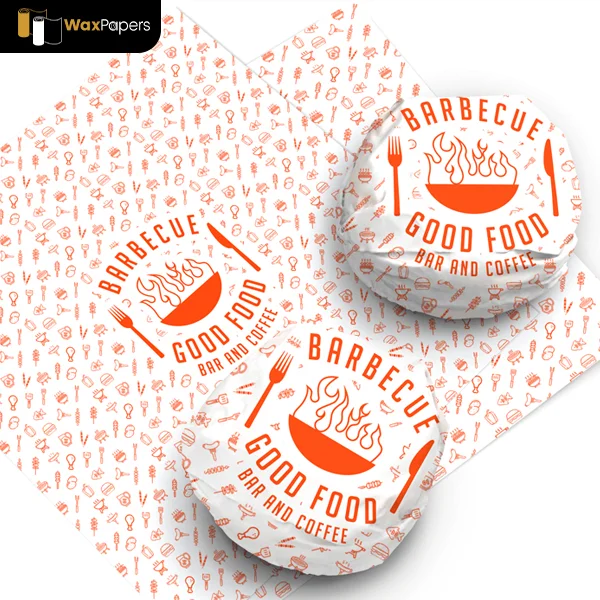
Custom food paper is an important tool of brand identification, display, and satisfaction in the food business. Whether it's wrapped burgers, lined baskets, or offering baked goods, a well-designed food paper can add value perceptions to your offerings. Customizing your food paper does not mean putting a logo on; it is more of a congruent brand experience.
Between the idea and putting the product on the market, every step promises to make wise choices regarding the material, art, and functionality. With the help of this article, we will take you through all the needed steps towards developing effective and attractive food packaging that is customer-specific to the success of your business.
Make Your Purpose Clear
Know what you are going to use the custom food paper design for before getting into any design. Is it hot food, baked goods, deli wraps, or cold foods? The nature of use (purpose) will establish the sort of paper; its coating (eg, wax or greaseproof); and its size. As an example, the bakery sheets can require a different weight and surface than burger wraps. Usage information will enable you to design your knowledge and choose appropriate materials.
Note the Right Material
Your choice of the material is fundamental. Kraft, parchment, or wax paper is normally used as custom-printed food paper. Kraft paper will give you a rustic appearance, and parchment paper is perfect for bakery items. The papers required for oily or wet food are grease-resistant or wax-glazed. Ensure that your paper is FDA-approved for direct contact with food. The quality of prints also depends on your material choice; higher, glossy materials are much better suited to bright colors, whereas lower, matte materials tend to look more realistic.
Choose Paper Size
Your paper should be in proper dimensions depending on how you will apply it. The typical sizes are 10x10" or 12x12", or cut to any size. Be it sandwich wrapping or tray filling, the same size creates a professional look. Think about how you can scale your design at a variety of sizes. This is essential in the development of a wholesale custom food paper order in which there should be uniformity in terms of batch-to-batch. Together with functionality, sizing has an influence on how your graphics will be positioned as well as viewed.
Create a Brand Theme
To set a visual communication style that would communicate your brand before printing. Components like color scheme, typography, logo position, and designs should comply with your packaging and in-store look and feel. When the bakery is a high-end one, the black-and-white minimalist design is most suitable, and the colorful drawings are more appropriate when you deal with family-style food. Instead of a wrap, custom food paper with a logo becomes an effective brand tool that customers are unlikely to forget.
Art Print in High Resolution
High-resolution artwork is the start of quality design. Whenever you are printing your logo and designs, make sure they are in vector form so that they do not pixelate (use AI, EPS, or SVG format). To have full-coverage printing, incorporate repeatable patterns. Press elements that may blur or bleed on absorbent type papers are not at all recommended. Placing your artwork with the specifications of suppliers requires either using templates supplied by them or working with a graphic designer conversant with custom food paper design.
Integrate Convenient Functionalities
Design has to be not only appealing, but also practical. Either heat resistant ink, waterproofing, and QR codes could be added to allow menus and promotions. Positioning your brand strategically (e.g., at folds where it can easily be seen) can make it more visible when it is wrapped. Be careful that your design does not affect the use of the useful object, leave white space where food has to go, and see how your design will appear after it has been folded, crumpled, or even used.
Engage with Quality Suppliers
When you are set on the design, select a reputable vendor that deals with custom food paper wholesale. Scout printers with test run minima of low quantity, deliver digital proofs, and are also skilled in food-safe packaging. Enquire whether they handle green inks and recyclable or biodegradable papers. Good suppliers, too, will be able to be of assistance on showing you how to deal with bleed areas in the safety area and how to print on your particular material in the best possible way.
Full Run Test
Request a sample or do a test order before ordering anything in bulk. Place real food in your own printed food paper and put it to the test. Does the ink suck up? Is the paper robust to your content? Can the logos be seen? Testing will enable you to make adjustments on the design or the material, in case, it is needed. When confirmed, expand your production, keeping regular quality and design precision.
Conclusion
Logo custom food paper may drastically enhance the visibility of your brand as well as the customer experience upon thoughtful design. Whether it is gaining an understanding of your use case, or the selection of materials, development of artwork, and proper selection of supplier, each step is essential in obtaining a high-impact finished product. Be it a small coffee shop or a national food chain, a food paper design made to fit a brand means it not only looks good but is also functional. Incorporating custom wax paper with logo can further elevate your packaging, blending brand identity with practical, food-safe performance. Devote the time to careful planning and see your food packaging leave its mark.