
What is the difference between Bosch corded and cordless drill machines?
The difference between corded and cordless drills is not about which one wins. It is about which one works better for you.
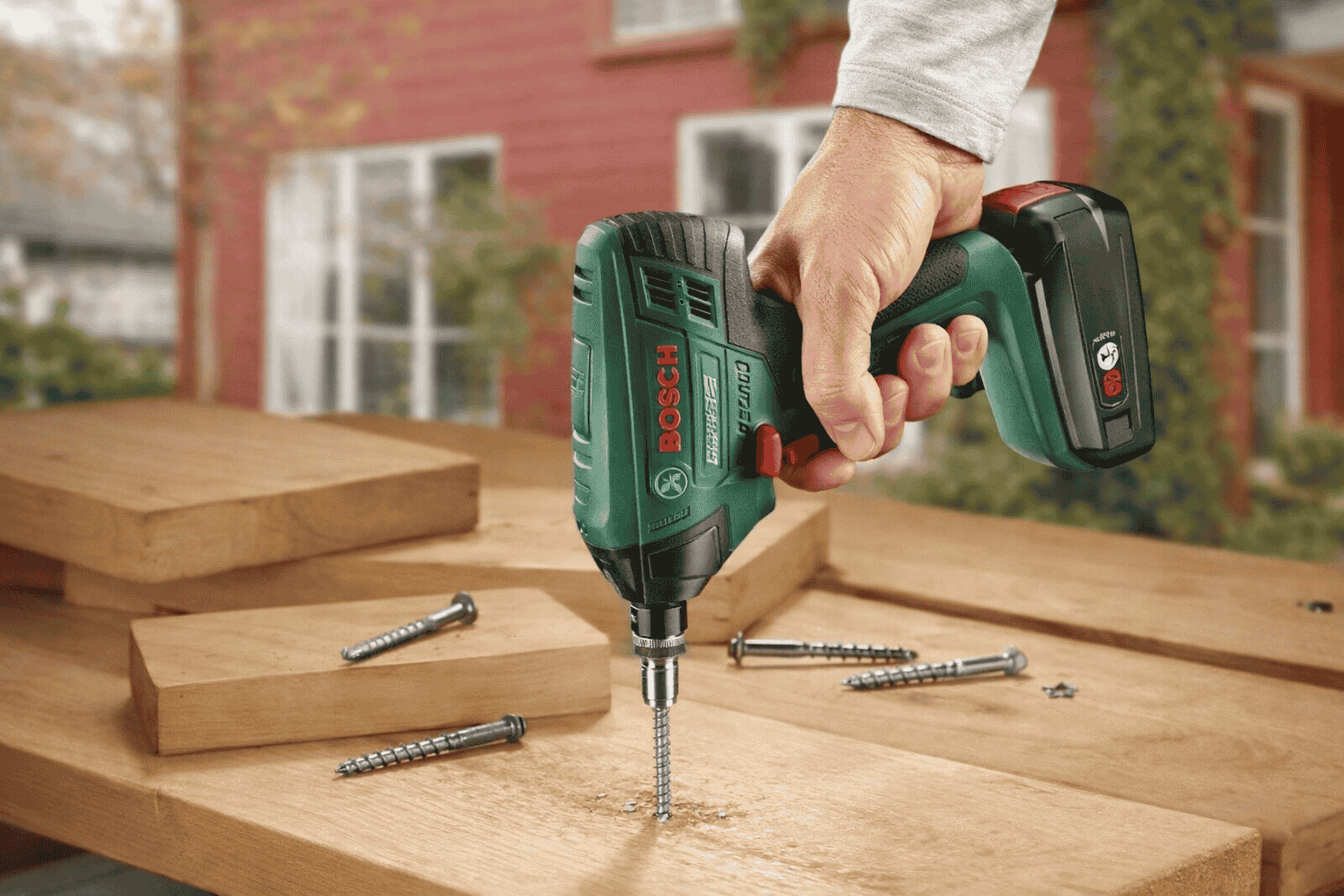 Imagine yourself standing in a hardware store or scrolling through a product page, staring at two solid options.
One that plugs into the wall. The other that promises freedom with a battery. Both carry the Bosch name. Both look sturdy and capable. Yet the choice feels bigger than it should ideally be.
For workers or DIYers of today, a drill is not just a tool. It shapes how smoothly your work runs. It affects fatigue, accuracy and speed. From homeowners fixing shelves to contractors drilling through concrete, the question keeps coming up. Should you choose a corded drill or a cordless one?
For professionals who rely on trusted Bosch dealers in India and for users comparing a drill machine Bosch for daily use, this decision matters more than ever. Let us break it down in a way that helps you choose confidently.
Understanding What Truly Separates Corded and Cordless Drills
At the core, the difference seems simple. A Bosch corded drill machine draws power directly from electricity. A Bosch cordless drill machine runs on a rechargeable battery. Yet that single difference changes how the tool behaves in real working conditions.
Corded drills deliver steady and uninterrupted power. They perform consistently during long drilling cycles. This matters when you work with dense materials like concrete, metal or hardwood. Cordless drills focus on mobility. They remove the need for a power outlet and allow work in tight or elevated spaces.
Why does this distinction matter more today? Job sites look different in 2026. Teams move faster. Workspaces change constantly. Home users expect professional results without professional complexity. Bosch has responded by improving both categories rather than pushing one over the other.
Understanding this difference sets the foundation. Once you see how power and portability shape performance, the rest of the choice becomes clearer.
Performance and Power Where Work Gets Real
Many users still believe corded drills always outperform cordless ones. That belief held true a couple of years ago. Today, the reality feels more nuanced.
A Bosch corded drill machine still leads when you need sustained torque. Continuous drilling tasks do benefit from uninterrupted electricity. Bosch technical guides confirm that corded drills deliver higher continuous power output, which makes them suitable for heavy duty applications like masonry drilling. This consistency helps professionals avoid slowdowns during demanding jobs.
Cordless drills have evolved rapidly. Bosch Professional cordless tools use lithium-ion battery technology with Electronic Cell Protection. This system prevents overheating, overloading, and deep discharge. As a result, modern cordless drills maintain stable performance across most everyday tasks.
So where does this leave you? Electricians, solar installers, and fabricators often prefer corded drills for repetitive, high load work. Carpenters, interior teams and home users value cordless drills for flexibility and speed. The right drill machine Bosch depends on how often you push the tool to its limits.
Mobility, Comfort, and How the Tool Feels in Your Hand
Power alone does not define productivity. Comfort and movement play an equal role, especially during long hours.
Cordless drills work best when movement matters. You can climb ladders, reach tight cabinets, or work in spaces without power points. There is no need to stop and set up cables. This saves time and keeps work moving. That is why many people looking for the Best Bosch drill for home use choose cordless options.
Comfort also plays a big role. Batteries do add some weight, but Bosch designs its drills to feel balanced in the hand. A good grip and better weight distribution help reduce wrist strain. Corded drills feel lighter at times, but managing cables can interrupt work. Constantly adjusting or pulling cords can slow you down and cause fatigue over long hours.
Ask yourself a simple question. Will you work mostly at a fixed station or move constantly between points? Your answer often points directly to the right tool.
Cost, Longevity, and the Real Price of Ownership
Price tags can mislead if you only look at the surface. Corded drills usually cost less upfront. Cordless drills include batteries and chargers, which raises the initial cost.
However, ownership stretches beyond purchase day. Corded drills contain fewer components that wear out. They often last longer with minimal maintenance. Cordless drills rely on batteries, which naturally degrade. Battery University and MIT Energy Initiative references show that lithium-ion batteries typically require replacement after three to five years, depending on usage intensity.
This is where buying from authorised Bosch dealers in India matters. Authorised dealers provide genuine batteries, proper service and warranty-backed repairs. Bosch India dealer network documentation highlights that access to calibrated repairs and original spare parts significantly increases tool lifespan.
In the long run, the better investment aligns with how often you use the tool and how critical downtime is to your work.
Matching the Right Bosch Drill to the Right User
Not all users work the same way. That truth shapes the smartest buying decisions.
Homeowners and DIY users often need a tool that feels simple and forgiving. Hanging curtains, assembling furniture, or fixing fixtures does not demand constant high torque. For these tasks, the Best Bosch drill for home use usually falls in the cordless category. The tool stays easy to store, quick to use and comfortable for short sessions.
Contractors and industrial users operate under different pressures. They value reliability during continuous work. Many still rely on a Bosch corded drill machine for tasks that involve drilling into concrete or metal repeatedly throughout the day.
Growing teams and mixed use professionals often keep both options. They use cordless drills for mobility and corded drills for heavy duty work. This approach reduces compromise and keeps productivity predictable.
Choosing the right drill machine Bosch becomes easier when you align the tool with your actual work pattern instead of following trends.
Why Authorised Dealers Make a Difference
The tool itself tells only part of the story. Where you buy it matters just as much.
Authorised Bosch dealers in India offer more than products. They provide guidance, after sales support, and access to genuine accessories. This support protects your investment and ensures performance stays consistent over time.
Bosch documentation confirms that warranty backed service and proper repairs help tools perform safely and reliably for years. In a market filled with lookalike products and mixed sourcing, dealer authenticity plays a critical role.
When professionals standardise purchases through trusted dealers, they reduce risk and improve long term efficiency.
Bringing It All Together
The difference between corded and cordless drills is not about which one wins. It is about which one works better for you.
Corded drills offer steady power and long term reliability. Cordless drills deliver flexibility and comfort. Bosch continues to strengthen both categories, giving users real choices rather than forced compromises.
As work environments evolve in 2026, smarter tool selection becomes part of smarter work planning. When you choose a Bosch cordless drill machine or a Bosch corded drill machine, you choose how smoothly your tasks unfold.
So pause before you decide. Think about where you work, how long you drill and how often you move. The right answer usually reveals itself when you focus on the work, not just the tool.