Understanding Decaf Coffee: Flavor, Process, and Choosing the Right Beans
For drip, pour-over, or French press, water processed decaf coffee often performs exceptionally well due to its preserved flavor oils.
Decaffeinated coffee has evolved far beyond its outdated reputation. Today, it is a sophisticated category with diverse flavors, roasting styles, and brewing applications. For consumers who love coffee but prefer to limit caffeine, understanding what is decaf coffee and how it is made can dramatically improve their buying and brewing decisions. This guide explores the decaffeination process, roast profiles, and how to select quality beans for espresso and other brewing methods.

What Is Decaf Coffee and How Is It Made?
At its core, what is decaf coffee refers to coffee that has had most of its caffeine removed while retaining the natural characteristics of the bean. Contrary to popular belief, decaf coffee is not completely caffeine-free; it typically contains about 97% less caffeine than regular coffee. The goal of modern decaffeination is to preserve flavor, aroma, and body while minimizing caffeine content.
One of the most respected methods used today is water processed decaf coffee. This technique relies solely on water, temperature, and time—no chemical solvents—to extract caffeine. Green coffee beans are soaked in hot water to dissolve caffeine and flavor compounds. The solution is then filtered to remove caffeine, and the flavor-rich water is reintroduced to the beans so they reabsorb their natural taste. The result is a clean, smooth cup that highlights the bean’s origin and roast profile.
Flavor Profiles and Roast Levels in Decaf Coffee
Decaf coffee is available across the full spectrum of roast levels, from light to dark. A particularly popular choice among seasoned coffee drinkers is decaf coffee dark roast. Dark roasting enhances bold, smoky notes and reduces acidity, making it ideal for those who enjoy a rich, full-bodied cup. In decaf form, dark roasts can be especially satisfying because the deeper caramelization compensates for any subtle flavor loss during decaffeination.
High-quality decaf roasts are proof that removing caffeine does not mean sacrificing taste. Specialty roasters now focus on sourcing premium beans specifically for decaf processing, ensuring that even darker roasts maintain complexity and balance.
Decaf and Espresso: A Perfect Match
Espresso lovers often assume that caffeine is essential to a good shot, but that is no longer the case. Decaf espresso has become a staple in cafés and home setups alike, offering the same crema, mouthfeel, and intensity as traditional espresso—minus the buzz.
The key lies in choosing the right decaf espresso beans. These beans are roasted and blended with espresso extraction in mind, emphasizing density, solubility, and flavor concentration. When properly dialed in, decaf espresso can deliver notes of chocolate, nuts, and spice that rival any caffeinated counterpart.
For those searching for the best decaf espresso beans, freshness and roast quality matter more than the decaffeination method alone. Look for beans roasted within the last few weeks and labeled specifically for espresso use. Single-origin options offer clarity and distinct flavor notes, while blends provide consistency and balance.
Brewing Tips for Decaf Coffee
Decaf beans require slightly different handling than regular coffee. Because the decaffeination process alters the bean’s structure, grind size and extraction time may need adjustment. For espresso, using freshly ground decaf espresso beans and fine-tuning dose and yield can prevent under-extraction and ensure a rich, satisfying shot.
For drip, pour-over, or French press, water processed decaf coffee often performs exceptionally well due to its preserved flavor oils. Using filtered water and precise brewing ratios will further enhance the cup quality.
The Growing Market for Premium Decaf
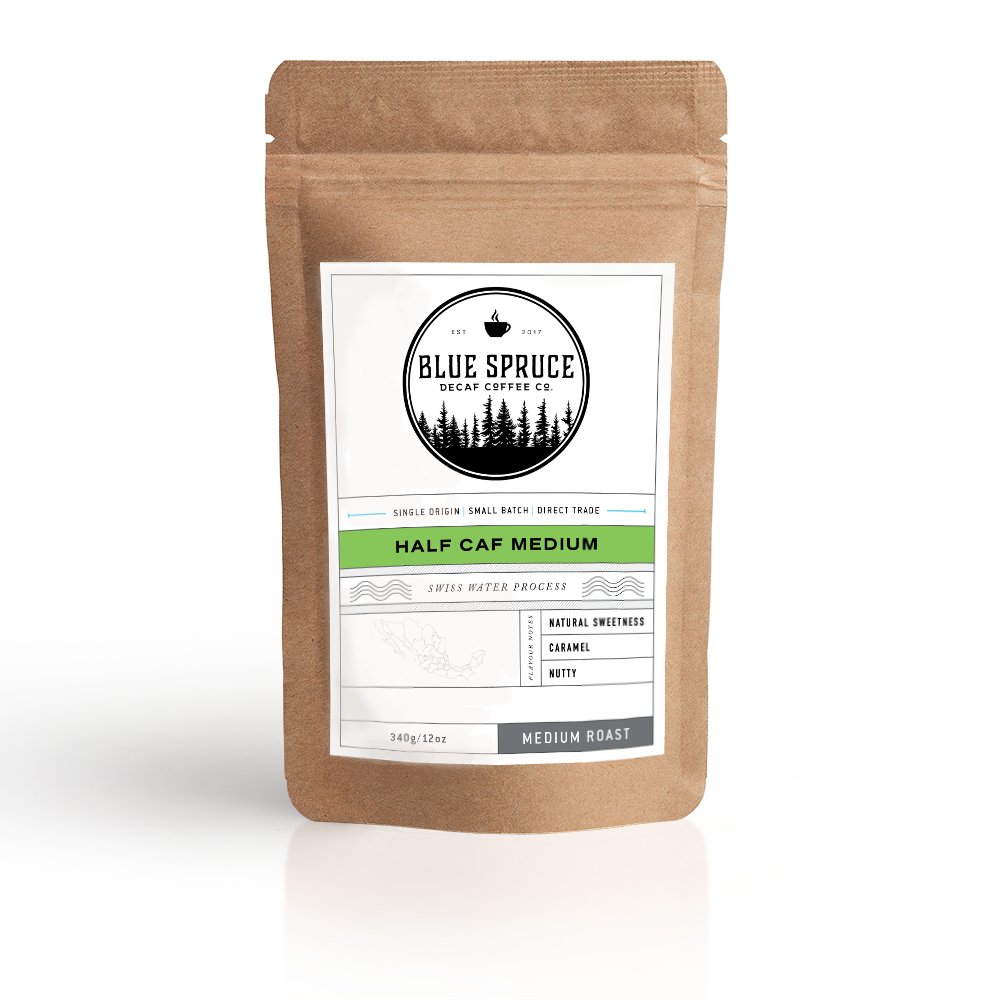
As consumer preferences shift toward wellness and balance, decaf coffee is experiencing renewed appreciation. Brands like Blue Spruce Decaf Coffee Co. are contributing to this movement by focusing exclusively on high-quality decaf offerings, demonstrating that decaf can stand proudly alongside traditional coffee. By prioritizing ethical sourcing, careful roasting, and transparency, Blue Spruce Decaf Coffee Co. reflects the broader industry trend toward premium, purpose-driven products.
Choosing the Right Decaf for You
Whether you prefer a bold decaf coffee dark roast or are experimenting with decaf espresso at home, the most important factor is quality. Understanding what is decaf coffee and how different processes affect flavor empowers you to make informed choices. From selecting best decaf espresso beans to exploring water processed decaf coffee, today’s options ensure that enjoying coffee without caffeine is no longer a compromise—it’s a choice.
In the end, decaf coffee has earned its place in the specialty coffee world. With the right beans, roast, and brewing technique, it delivers depth, satisfaction, and ritual—any time of day, without the caffeine.