Understanding Carbon and Stainless Steel Piping Solutions in the GCC
Discover the role of carbon and stainless steel piping in the GCC. Learn how fittings, including barrel nipple fittings, support reliable oil, gas, and water systems.
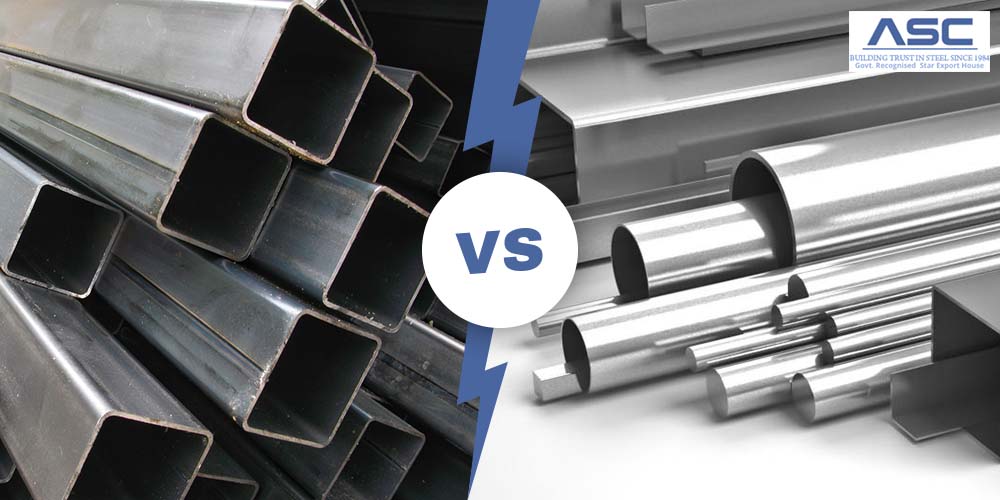

When it comes to building strong and reliable infrastructure in the GCC (Gulf Cooperation Council) region, piping solutions play a huge role. Whether it’s for oil and gas, water supply, or construction projects, choosing the right type of pipe and fittings makes all the difference. In the Gulf, two materials dominate the market carbon steel and stainless steel. Each comes with its own strengths, and understanding these can help contractors, engineers, and even homeowners make the right decisions.
Why Carbon and Stainless Steel Are Popular in the GCC
The GCC is known for its extreme climate high heat, salty air near the coasts, and heavy industrial demand. Not every material can withstand these conditions, which is why carbon steel and stainless steel are the go-to choices.
- Carbon steel is tough, cost-effective, and great for transporting water, oil, and gas under high pressure.
- Stainless steel offers resistance to corrosion, making it perfect for coastal environments or projects that require long-term durability with minimal maintenance.
Both materials are widely available in the region, and suppliers make sure they meet international standards for safety and quality.
Applications in the GCC
From mega construction projects in Saudi Arabia to water desalination plants in the UAE, pipes and fittings form the backbone of infrastructure. Here are some common uses:
- Oil & Gas Pipelines – Carbon steel is often the first choice because of its strength under pressure.
- Water Systems – Stainless steel piping prevents rust and ensures clean, safe water.
- Construction & HVAC – Both materials are used in heating, ventilation, and air-conditioning systems for high-rise buildings.
- Marine & Coastal Projects – Stainless steel is critical because of its resistance to saltwater corrosion.
Choosing the Right Fittings
No piping system is complete without the right fittings. In many cases, fittings determine how reliable the system will be in the long run. Among the many options, barrel nipple fittings are commonly used to connect pipes in tight spaces or where an extension is needed. They might look simple, but their role in ensuring leak-proof connections is crucial.
Other fittings like elbows, couplings, and reducers are equally important, but the choice depends on the type of system being installed and the environment it will face.
The Cost Factor
Cost is always a deciding factor in large-scale projects. Carbon steel generally comes out cheaper, which is why it’s heavily used in oil and gas pipelines. Stainless steel, on the other hand, is more expensive but pays off in the long run due to its durability and low maintenance needs.
Project managers in the GCC often balance the two using carbon steel where strength is key and stainless steel where corrosion resistance is a must.
Sustainability and Future Outlook
The GCC is investing heavily in sustainable infrastructure. With new mega-projects like NEOM in Saudi Arabia and ongoing urban developments in Dubai and Doha, the demand for reliable piping solutions is only growing. Stainless steel is gaining more attention due to its recyclability and longer lifespan, making it an environmentally friendly option for the future.
Final Thoughts
Carbon and stainless steel pipes each have a unique role to play in the GCC’s infrastructure. Choosing the right one depends on the project’s needs whether it’s strength, cost, or corrosion resistance. And while pipes may get all the attention, the small parts like fittings ensure the entire system works smoothly. Even something as humble as a barrel nipple fitting can be the difference between a secure connection and a costly leak.
The next time you see a skyscraper, refinery, or even a water pipeline project in the Gulf, remember that the unseen network of pipes and fittings is what keeps it all running.