
Types of Power Cables: A Complete Guide on How to Choose the Right Electrical Power Cable
Electrical systems are only as reliable as the components that connect them. As energy demand grows and applications evolve, understanding power cable types becomes a strategic advantage rather than a technical detail.
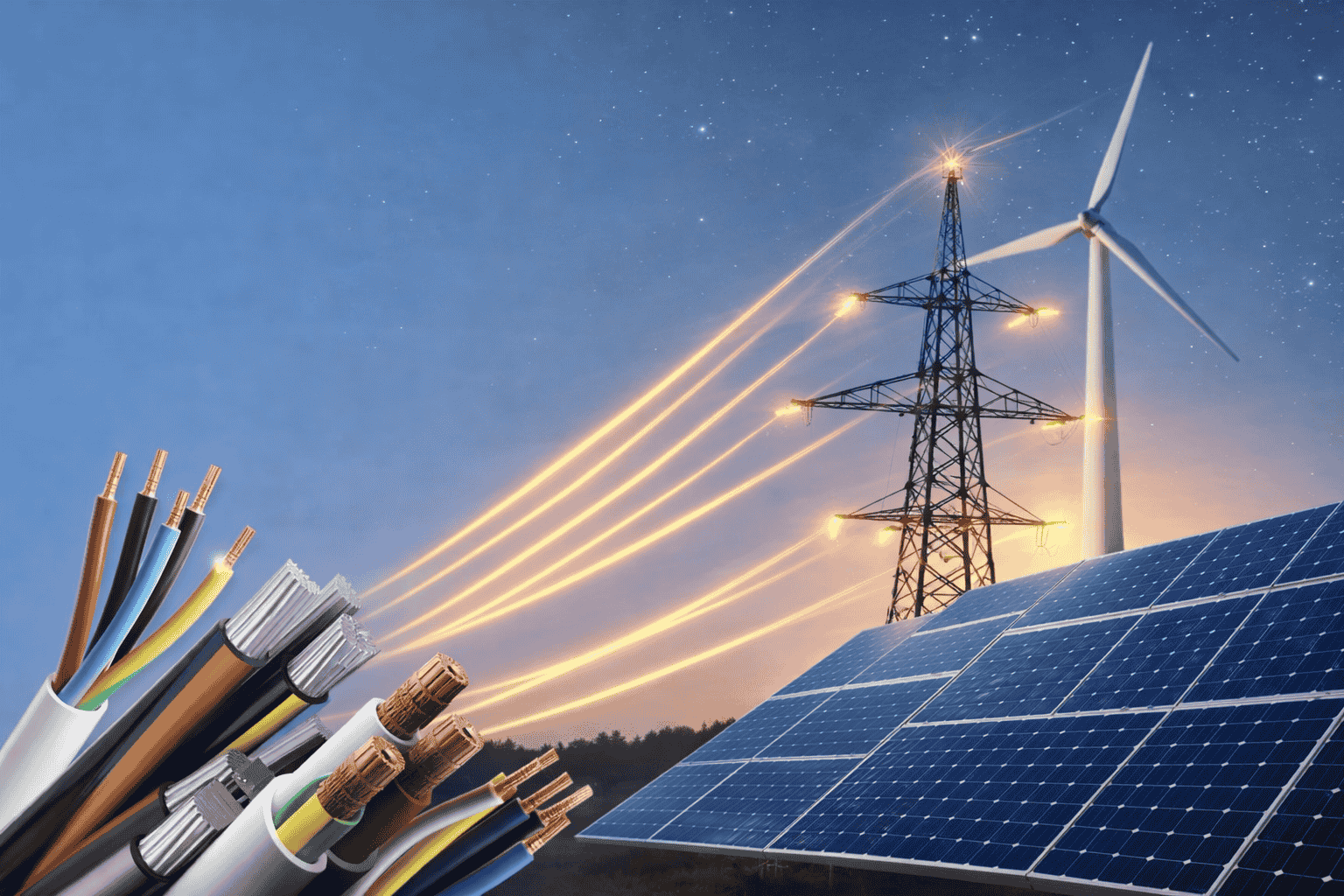
Electricity rarely fails because of generation alone.
More often, the problem begins much closer to the load, inside the cable that carries power every second of the day.
As industries expand, infrastructure becomes denser and electrical systems grow more complex in 2026, choosing the right cable is no longer a routine purchase. Selecting from different power cable types directly affects safety, efficiency, compliance and long-term reliability. A poorly matched electrical power cable can quietly increase heat, losses and maintenance risks long before a visible failure appears.
This guide brings clarity to how power cables are classified, where each type performs best, and how to make informed decisions that stand up to modern demands.
How Power Cables Are Classified in Real Applications
Every electrical system relies on structure. And that structure begins with cable classification. Power cables are grouped based on voltage rating, insulation design, conductor construction and intended operating environment. These classifications are not academic labels. They exist to reduce electrical stress, improve safety and ensure predictable performance.
Understanding power cable types means looking beyond surface specifications. Voltage rating defines how much electrical stress insulation can handle. Conductor design determines current flow and heat dissipation. Insulation and sheathing protect against moisture, chemicals and mechanical damage. Together, these elements define how an electrical power cable behaves over the years of operation.
International standards such as IEC 60038 clearly define voltage ranges, with low voltage systems operating up to 1 kV AC and higher categories designed for increasingly demanding conditions. These frameworks exist because incorrect classification is one of the most common causes of premature cable failure.
In practice, proper classification simplifies everything that follows, from approvals and installation to maintenance planning.
Low Voltage Cables Where Most Electrical Systems Begin
Low voltage systems form the foundation of everyday electrical use. From residential wiring to commercial buildings and control panels, a low voltage cable supports lighting, equipment, automation and auxiliary power across industries.
These cables are typically used in systems operating up to 1 kV. Their design focuses on flexibility, insulation consistency, and ease of installation. While they may appear simple, modern low voltage applications place higher demands on reliability due to dense wiring layouts and continuous operation.
According to recent global energy data, low voltage installations account for the largest share of electrical cabling worldwide. Urban construction, data centers, and commercial expansion continue to drive demand. At the same time, fire safety expectations are rising, pushing wider adoption of low-smoke, zero-halogen insulation.
In factories and commercial facilities, a low voltage cable often powers motor control centers, lighting circuits and instrumentation systems. Choosing consistent conductor stranding and precise insulation thickness helps reduce voltage drop and thermal stress. When selected correctly, these cables operate quietly and reliably for decades.
This is where careful attention at the foundation level prevents downstream problems.
High Voltage Cables Built for Scale and Stability
When power needs to travel farther or feed large equipment, higher voltage systems take over. A high voltage cable is designed to carry electricity under significantly greater electrical stress, which often happens across long distances or within critical infrastructure.
These cables rely on advanced insulation systems, precise shielding, and strict manufacturing controls. Even small defects can lead to partial discharge, insulation breakdown or system-wide outages. This is why high voltage designs prioritise stability over flexibility.
Global electricity demand is accelerating, growing by more than 3% annually through 2026 according to the International Energy Agency. Much of this growth comes from renewable energy integration, electric mobility, and expanding urban grids. As a result, demand for high voltage cable solutions continues to rise at a steady pace, supported by grid expansion and underground transmission projects.
In real world use, high voltage cables serve substations, transmission corridors, rail networks, and large industrial plants. Engineers evaluate thermal endurance, insulation ageing, and sheath integrity long before installation begins. Within broader power cable types, high voltage systems represent long term infrastructure commitments rather than short term installations.
Reliability here is not optional. It is essential.
Industrial Power Cables Designed for Harsh Conditions
Industrial environments demand more from electrical components. Heat, vibration, oils, chemicals, and continuous load cycles are part of daily operation. An industrial power cable is engineered specifically to survive these conditions without compromising performance.
These cables balance electrical efficiency with physical durability. Reinforced insulation, abrasion-resistant jackets and flexible conductor designs allow them to perform under stress where standard cables would fail prematurely.
Industrial studies consistently show that improper cable selection contributes to energy losses and unplanned downtime. The International Copper Association highlights that right sized conductors and appropriate insulation reduce resistance, heat generation and long term degradation.
In automotive plants, processing facilities, and material handling systems, an industrial power cable supports motors, conveyors and heavy machinery. Selecting the correct jacket material and conductor design reduces failures caused by mechanical wear or environmental exposure.
Within the broader landscape of power cable types, industrial cables bridge the gap between electrical performance and physical endurance.
Fire Safety and Insulation Choices To Consider
Safety expectations around electrical installations have changed significantly. Fire behaviour, smoke density and gas toxicity are now central considerations, especially in enclosed or public spaces.
Traditional PVC insulation performs well electrically but releases dense smoke and corrosive gases when burned. In contrast, low-smoke, zero-halogen materials reduce smoke output and eliminate halogen gases, improving visibility and evacuation safety.
Regulations across Europe and North America increasingly mandate these materials in public buildings, data centers, and tunnels. For many installations, especially where people or sensitive equipment are present, choosing the right insulation is no longer optional.
In practical terms, pairing a low voltage cable with LSZH insulation improves safety in offices and commercial facilities. In industrial settings, selecting an industrial power cable with enhanced fire performance adds another layer of protection.
These choices do not change how systems operate day to day, but they make a critical difference during emergencies.
How to Match the Right Cable to the Right Application
Selecting the right cable begins with asking the right questions. What load will the system carry? How long will the cable run? What temperatures and environmental conditions will it face? Will the system expand in the future?
Choosing between a low voltage cable, a high voltage cable, or an industrial power cable depends on understanding these factors in context. Voltage rating alone is not enough. Installation method, ambient temperature, duty cycle, and regulatory requirements all influence long term performance.
Improper selection remains a leading cause of electrical faults. Overspecification increases cost without benefit, while underspecification raises safety risks. OEMs and EPC contractors increasingly involve cable manufacturers early in the design phase to avoid both extremes.
A well selected electrical power cable supports efficiency, simplifies compliance and reduces maintenance costs over time.
Actionable Takeaways for Smarter Cable Selection
- Match voltage rating to actual operating conditions, not assumptions
- Consider environment, heat, and mechanical stress alongside current load
- Use low voltage cable solutions where flexibility and fire safety matter most
- Reserve high voltage cable systems for transmission and critical infrastructure
- Choose industrial power cable designs for harsh or continuous duty environments
- Partner with manufacturers who offer tested, application ready cable solutions
Looking Ahead at Power Cable Decisions That Last
Electrical systems are only as reliable as the components that connect them. As energy demand grows and applications evolve, understanding power cable types becomes a strategic advantage rather than a technical detail.
The right electrical power cable does more than transmit electricity. It protects assets, supports expansion and reduces long term risk. Whether the requirement is a high voltage cable for infrastructure, a low voltage cable for buildings, or an industrial power cable for demanding environments, the goal remains the same.
Choose solutions that are designed for the realities of today and the expectations of tomorrow. That is how electrical systems remain dependable, efficient, and future ready.