The Unique Appeal of Freshwater Springs as the Best Places to Scuba Dive
For many, a trip to Ginnie Springs or the Devil’s Den is a rite of passage, providing a serene and controlled environment that is perfect for honing buoyancy skills and practicing underwater photography in perfect light.
While many divers focus on the salt and surf of the open ocean, the crystal-clear freshwater springs of Florida represent some of the best places to scuba dive in the world. These geological wonders offer visibility that can exceed two hundred feet, creating an experience that feels more like flying than swimming. For many, a trip to Ginnie Springs or the Devil’s Den is a rite of passage, providing a serene and controlled environment that is perfect for honing buoyancy skills and practicing underwater photography in perfect light.
The springs are not just for beginners; they also house some of the most intricate and challenging underwater cave systems on the planet. For the technical diver, these environments are the ultimate test of skill and nerve. Navigating through ancient limestone passages requires a level of precision and gas management that is far beyond the scope of recreational diving. Whether you are seeking a relaxing drift down a river or a deep cavern exploration, the springs of Florida offer a diverse range of experiences that will leave any diver in awe of the natural world.
Engineering the Perfect Scuba Tank for Spring Exploration
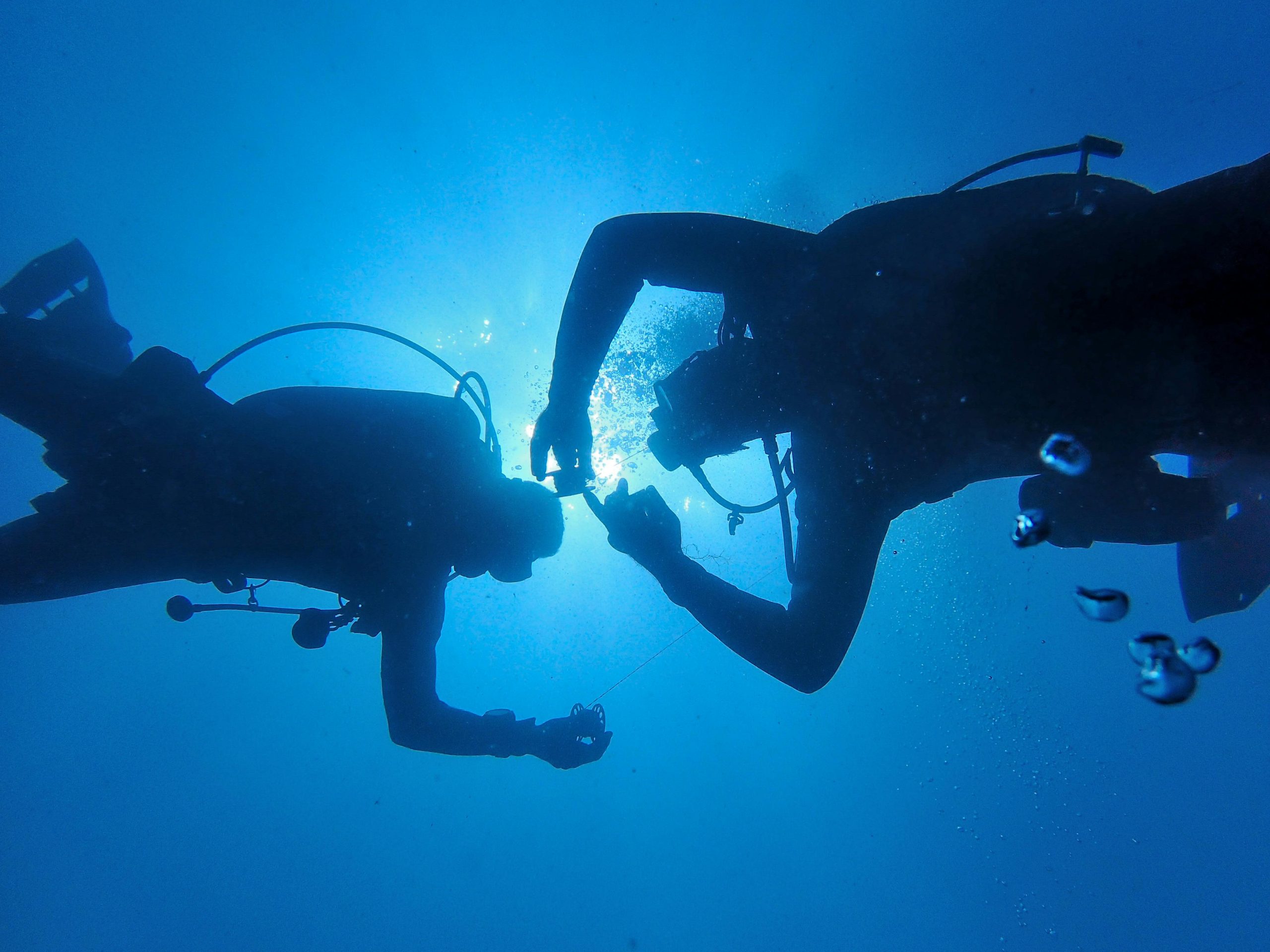
Diving in freshwater presents different challenges than saltwater, particularly regarding your buoyancy and weighting. A high-capacity scuba tank made of steel is often the preferred choice for spring divers, as the added weight of the cylinder helps offset the buoyancy of a thick exposure suit needed for the constant 72-degree water. Understanding how your equipment interacts with different water densities is a key part of becoming a versatile and well-rounded underwater explorer in any environment.
Mastering Neutral Buoyancy in High-Visibility Environments
The incredible clarity of Florida's springs means that every movement you make is visible to those around you. This makes it the perfect place to practice "trim," the art of staying perfectly horizontal in the water. Achieving perfect trim reduces drag and prevents you from kicking up silt, which can ruin the visibility for everyone else. By mastering these skills in the springs, you build a foundation that will serve you well in every other environment you visit, from coral reefs to deep shipwrecks.
The History and Formation of Florida’s Ancient Aquifers
The springs are a window into the Floridan Aquifer, one of the most productive aquifers in the world. The water you dive in today may have been underground for thousands of years, filtered through layers of limestone until it emerges perfectly clear and pure. Understanding the history and geology of these sites adds a layer of depth to your diving experience, turning a simple excursion into a journey through time and the natural history of the Earth's hidden water systems.
Transitioning from Recreational to Cavern and Cave Diving
For those who find themselves drawn to the dark openings at the bottom of the springs, cavern and cave training is essential. These courses teach the specialized techniques needed to safely explore overhead environments where a direct ascent to the surface is impossible. You will learn about line protocols, redundant air supplies, and how to manage equipment failures in confined spaces. This training is some of the most rigorous in the diving world and produces divers of exceptional skill and confidence.
Redundant Air Systems and Your Scuba Tank Configuration
In an overhead environment, your air supply is your only lifeline. Cave divers often use a "sidemount" or "backmount" twin-set configuration to ensure they have a completely independent backup gas supply. This redundancy is not just a luxury; it is a mandatory safety requirement for anyone entering a cave. Learning how to manage multiple cylinders and regulators is a complex task that requires dedicated practice and a high level of mental discipline during every single underwater session.
Conservation and Protection of Fragile Freshwater Ecosystems
The springs are delicate environments that are highly sensitive to pollution and physical damage. As divers, we have a responsibility to leave no trace of our visit. This means never touching the cave walls, avoiding contact with the bottom, and ensuring that our equipment is properly stowed so it does not snag on the delicate rock formations. By practicing responsible diving, we ensure that these beautiful locations remain open and healthy for future generations of underwater enthusiasts to enjoy.
Essential Tips for Freshwater Equipment Care
Freshwater is generally less corrosive than saltwater, but it still requires a high level of equipment maintenance to ensure everything functions as it should. Silt and sand from the springs can easily find their way into your regulators and valves, leading to leaks or malfunctions if not addressed through regular cleaning and professional servicing by a certified technician at a reputable shop.
- Always rinse your gear with fresh, clean water after a day at the springs to remove any fine silt or sand particles.
- Pay close attention to your tank valve, as small grains of sand can cause the O-ring to fail or the handwheel to stick.
- Check your buoyancy compensator's internal bladder for any trapped water or sediment that could cause odors or mold.
- Ensure your dive light batteries are fully charged, as the dark recesses of caverns and caves require a reliable light source.
- Inspect your exposure suit for any small tears or snags that could lead to leaks and uncomfortable cold spots during the dive.
- Verify the pressure in your cylinders before heading to the dive site, as local fill stations may be far away from the springs.
- Keep your mask defogged and clean to take full advantage of the incredible visibility that the Florida springs are known for.
- Store your gear in a well-ventilated area to ensure it dries completely and remains in top condition for your next adventure.
Conclusion: Embracing the Magic of Freshwater Diving
The springs of Florida are truly among the best places to scuba dive, offering a unique and ethereal experience that is unlike anything else on the planet. By approaching these sites with the right training and a deep respect for the environment, you can explore a hidden world of crystal-clear beauty and ancient history that will stay with you for a lifetime and inspire you to dive deeper.
Your scuba tank is the key that unlocks these underwater cathedrals, providing the air you need to linger in the quiet beauty of the deep. When you commit to professional education and high-quality gear maintenance, you ensure that every trip to the springs is a safe and rewarding experience that deepens your love for the incredible diversity of our planet's aquatic environments.