The Advantages and Application Scope of SISCO Power Meter Plugs in Energy and Cost Management
The article highlights how SISCO power meter plugs help households and businesses monitor real-time energy use, calculate costs, detect inefficiencies, and promote sustainability. It emphasizes their role in budgeting, education, and fostering environmentally responsible energy management practices.
Bridging Energy Data with Real Financial Impact
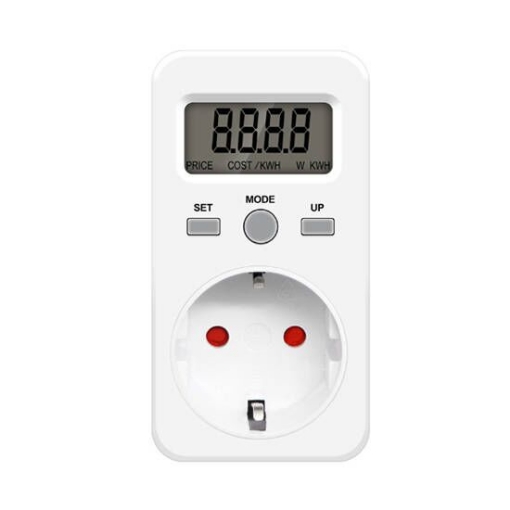
SISCO power meter plugs serve as powerful tools for cultivating energy consciousness and controlling operational costs. Unlike traditional power monitors that only display raw figures, these devices track both instantaneous power draw and cumulative energy consumption, offering users a comprehensive view of how appliances behave over time. The integrated cost calculation mode is a standout feature, translating kilowatt-hour data into actual currency values. By presenting energy data in monetary terms, the plug creates a direct connection between electricity usage and financial responsibility, making consumption patterns easier to understand and act upon.
Household Energy Budgeting
For households, the SISCO 240V plug in power meter becomes an invaluable budgeting ally. By monitoring everyday appliances such as air conditioners, washing machines, or entertainment systems, families can estimate how much each device contributes to the monthly electricity bill. This clarity helps homeowners identify areas to cut back or adjust usage habits. For example, a family might discover that leaving a second refrigerator running in the garage is costing far more than anticipated. With such knowledge, unplugging or replacing inefficient devices becomes a calculated financial decision rather than guesswork.
Applications in Small Businesses and Laboratories
Small businesses, research facilities, and laboratories also benefit from the SISCO power meter plugs. These organizations often operate multiple devices across departments, from specialized instruments to servers and office equipment. The power meter plug socket enables managers to track and allocate expenses more accurately, identifying high-demand areas or specific machines that disproportionately increase operating costs. This data-driven allocation supports not only cost control but also justifies investments in energy-efficient replacements or upgrades.
Identifying "Energy Hogs" and Phantom Loads
Another significant advantage is the ability to detect “energy hogs.” Older appliances that run continuously, such as outdated refrigerators, or devices with high standby power draw, like idle chargers and printers, can silently consume large amounts of energy. By measuring real-time and cumulative use, the SISCO energy monitor plug highlights inefficiencies that may otherwise go unnoticed. This visibility allows users to take immediate corrective action, whether that means unplugging, upgrading, or reprogramming devices to operate more efficiently.
Educational and Organizational Use
Beyond individual and business applications, the SISCO LCD display power meter plug 3680W has strong value in education and organizational energy programs. Teachers can incorporate the device into classroom activities, demonstrating cost-benefit scenarios that make abstract energy principles tangible for students. Sustainability-minded organizations and community groups can employ the plug to track the real-world impacts of initiatives like “power-down days” or equipment-free weekends. By showing measurable savings in both kilowatt-hours and cost, the device helps participants understand the significance of small behavioral changes.
Empowering Sustainable Choices
Ultimately, the blend of precision energy tracking with financial translation transforms the SISCO energy meter plug into more than just a monitoring device—it becomes a catalyst for change. From families aiming to reduce bills to facility managers optimizing operations, the plug empowers stakeholders to make informed decisions that balance economic savings with environmental responsibility. Its versatility across homes, businesses, classrooms, and organizations underscores its role as a practical tool for shaping smarter, more sustainable energy habits.