
Sonic Branding: Why Your Business Needs an Audio Identity in 2026
Australian businesses have obsessed over visual branding for decades—perfecting logos, refining color palettes, optimizing typography. Yet most brands sound like nothing, or worse, sound generic.
Australian businesses have obsessed over visual branding for decades—perfecting logos, refining color palettes, optimizing typography. Yet most brands sound like nothing, or worse, sound generic.
This oversight made sense when most brand interactions happened visually—print ads, billboards, websites. But the media landscape has fundamentally shifted toward audio-first experiences:
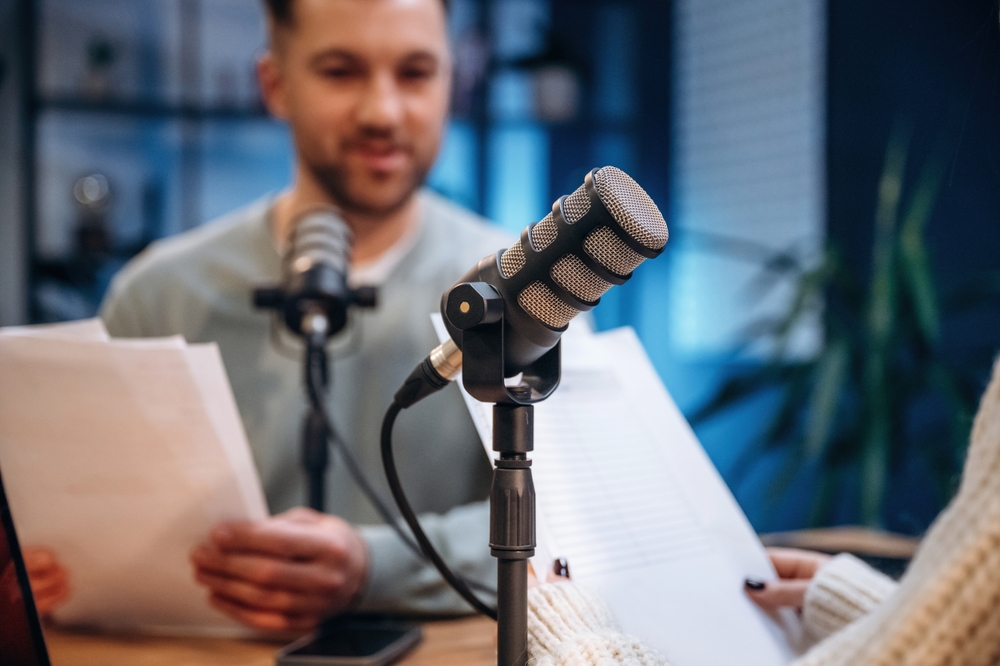
Podcast Explosion: 43% of Australians listen to podcasts monthly, with average weekly listening time reaching 6.4 hours. Your brand likely advertises on podcasts, appears in branded podcast content, or should be considering audio strategies.
Voice Commerce Growth: Voice shopping is projected to reach $8.2 billion in Australia by 2026, with 34% of Australians using voice assistants for product research and purchases. When customers ask Alexa or Google to “order coffee beans,” how does your brand sound?
Social Video Dominance: TikTok, Instagram Reels, and YouTube Shorts dominate attention—all video formats where audio drives engagement. Videos with distinctive, on-brand audio outperform silent or generically-scored content by 3-4x.
Smart Home Proliferation: 67% of Australian households have smart speakers or voice-enabled devices. Brands interact with customers through these devices without any visual component.
Audio-While-Doing Culture: Australians increasingly consume content while multitasking—commuting, exercising, cooking, working. Audio accompanies life in ways visual content cannot.
According to research from Ipsos, 82% of consumers can identify brands by sound alone when brands invest in consistent sonic identities. Yet most Australian businesses lack any strategic audio branding, ceding enormous recognition and emotional connection opportunities to rare competitors who understand audio’s power.
Understanding Sonic Branding: Beyond Jingles
Sonic branding encompasses far more than memorable jingles or theme songs. It’s a comprehensive audio identity system creating consistency and recognition across all sound touchpoints.
The Core Components
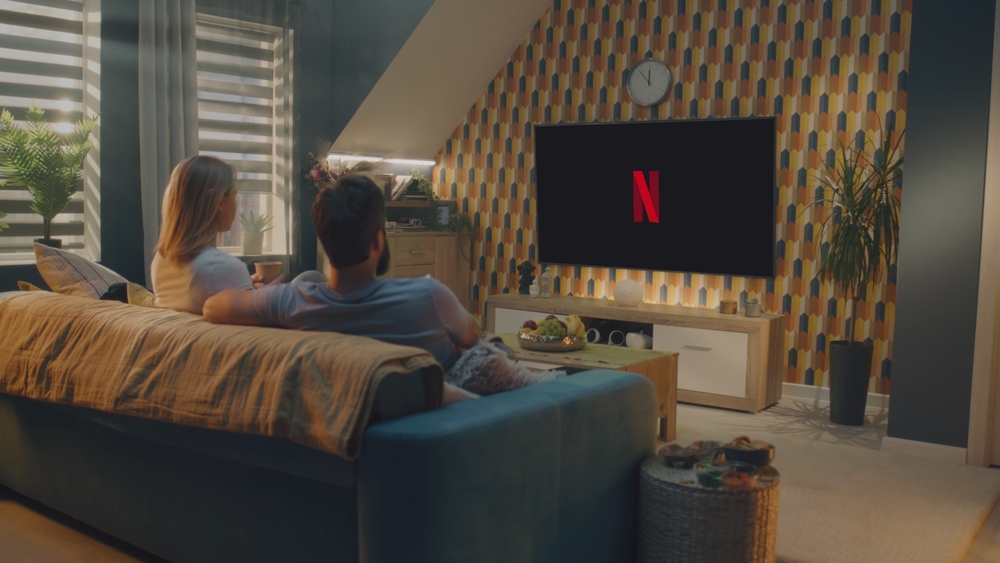
Audio Logo (Sonic Logo):Short musical signature identifying your brand—typically 1-5 seconds. Think Intel’s five-note sound, Netflix’s “ta-dum,” or Commonwealth Bank’s audio mnemonic. Audio logos should be:
- Distinctive and memorable
- Flexible across contexts (triumphant version, subtle version, etc.)
- Consistent with brand personality
- Ownable (not easily confused with competitors)
Brand Music (Sonic Palette):Consistent musical characteristics that feel distinctively “you”:
- Instrumentation choices (acoustic vs electronic, classical vs contemporary)
- Tempo and rhythm patterns
- Melodic characteristics and harmonic progressions
- Genre associations and cultural references
Voice Guidelines :Specifications for how your brand sounds when speaking:
- Vocal characteristics (warm vs authoritative, friendly vs professional)
- Accent and regionality (broad Australian, neutral, international)
- Pace and rhythm of speech
- Vocabulary and communication style
Functional Sounds: Purposeful audio elements in product experiences:
- App notification sounds
- User interface feedback sounds
- On-hold music and phone system audio
- In-store soundscapes
Sound Attributes: Overarching qualities guiding all audio applications:
- Emotional tone (energetic vs calming, playful vs serious)
- Complexity level (simple and clean vs rich and layered)
- Production quality standards
- Cultural and regional appropriateness
What Sonic Branding Isn’t
It’s Not Just a Jingle: While jingles are one application, comprehensive sonic branding creates an entire audio identity system applicable across touchpoints.
It’s Not Background Music: Strategic sonic branding actively reinforces brand recognition and values, not passive ambiance.
It’s Not One-Time Creation: Like visual branding, sonic identities require consistent application, occasional refresh, and evolution as brands grow.
It’s Not Only for Large Corporations: Australian SMEs benefit enormously from sonic branding as they compete for attention in crowded markets.
The Neuroscience of Sound and Brand Memory
Audio activates brain regions involved in emotion and memory more powerfully than visual stimuli, explaining why songs from childhood remain vivid decades later while most advertising images fade within hours.
Why Audio Sticks
Emotional Connection: Music and sound trigger emotional responses more directly than visual input. Hearing your favorite song instantly transports you emotionally. Sonic branding leverages this neurological reality.
Memory Encoding: Audio memories encode deeply through repetition. Hearing McDonald’s “I’m Lovin’ It” or Intel’s sound hundreds of times creates automatic brand associations.
Attention in Distracted Moments: Sound reaches consumers during multitasking when visual attention is unavailable. Your audio logo plays during podcast ads while listeners commute, cook, or exercise.
Subconscious Processing: Brains process audio continuously, even when not consciously attending. Sonic branding works subconsciously, building recognition without demanding active attention.
Cross-Sensory Associations: Distinctive sounds become mentally linked with visual brand elements, strengthening overall brand memory through multi-sensory encoding.
The Recognition Advantage
Studies consistently show brands with strategic sonic identities achieve 82-96% audio recognition rates after repeated exposure, compared to 5-7% for brands without audio strategies. This recognition translates directly to consideration and purchase behavior—consumers prefer familiar brands perceived as more trustworthy and established.
Building Your Sonic Brand Identity
Creating effective sonic branding requires strategic thinking, creative execution, and rigorous testing.
Step 1: Brand Audit and Strategy
Before creating any audio, deeply understand your brand:
Brand Personality Assessment:
- How would you describe your brand’s personality? (adventurous, reliable, innovative, traditional, playful, serious?)
- What emotions should customers feel interacting with your brand?
- How do you want to be perceived compared to competitors?
Audience Understanding:
- Who are your target customers demographically and psychographically?
- What musical preferences and cultural associations resonate with them?
- What audio experiences do they encounter daily? (mainstream radio, indie podcasts, classical music, hip-hop?)
Competitive Analysis:
- What do competitors sound like, if anything?
- Where are opportunities to sound distinctively different?
- What audio clichés should you avoid in your category?
Application Mapping:
- Where will your sonic brand appear? (podcasts, videos, apps, in-store, phone systems, voice assistants?)
- Which applications are highest priority for initial rollout?
- What technical requirements exist for different applications?
Step 2: Creative Brief Development
Translate brand strategy into creative direction:
Audio Attributes:Define 3-5 sonic qualities your brand should embody:
- Example: “energetic,” “modern,” “approachable,” “Australian,” “optimistic”
Musical Direction:Provide guidance without being prescriptive:
- Instrumentation preferences (guitar-driven, electronic, orchestral)
- Tempo guidance (upbeat, moderate, contemplative)
- Genre influences (without being literally that genre)
- Cultural references that resonate
Vocal Direction:If voice is part of your sonic brand:
- Accent and regional characteristics
- Age and gender considerations
- Personality traits
- Speaking pace and energy level
Constraints:Technical and practical limitations:
- Length requirements for audio logo
- File format and quality specifications
- Usage contexts requiring flexibility
- Budget and timeline constraints
Step 3: Composition and Production
Work with experienced sonic branding specialists or composers:
Audio Logo Development:Create short musical signature embodying your brand:
- Typically 2-5 second duration
- Melodically memorable and distinctive
- Flexible for variations (full, short, ambient versions)
- Technically optimized for various playback scenarios
Brand Music System:Develop musical toolkit for broader applications:
- Full-length brand track (60-90 seconds)
- Various length cuts (30s, 15s, 5s versions)
- Different energy levels (energetic, moderate, subtle)
- Instrumental and potentially vocal versions
Voice Casting and Guidelines:If voice is brand element:
- Cast voice talent matching brand personality
- Record signature phrases and applications
- Document voice guidelines for consistent future use
- Consider multiple voices for different contexts
Functional Sound Design:Create purposeful audio elements:
- App notification sounds
- UI feedback sounds
- System sounds specific to your products
- Environmental audio for physical spaces
Step 4: Testing and Refinement
Validate sonic branding with target audiences:
Recognition Testing:Play audio elements without visual context—do audiences associate sounds with your brand after limited exposure?
Emotional Resonance:Do sonic elements trigger intended emotional responses? Do they feel aligned with brand personality?
Distinctiveness Assessment:Do sounds feel unique compared to competitors? Could they be mistaken for other brands?
Application Testing:Do sonic elements work effectively across intended contexts? (phone speakers, smart speakers, in-store environments, podcast ads)
Refinement:Iterate based on testing feedback before final production and rollout.
Step 5: Implementation and Guidelines
Launch sonic brand systematically:
Sonic Brand Guidelines:Create comprehensive documentation:
- When and how to use audio logo
- Application instructions for brand music
- Voice guidelines with examples
- Technical specifications and file formats
- Examples of correct and incorrect usage
Asset Library:Organize all sonic brand assets:
- Audio logo in multiple formats and lengths
- Brand music tracks in various cuts
- Voice samples and guidelines
- Functional sounds
- Usage templates and examples
Rollout Plan:Phase implementation strategically:
- Priority touchpoints first (podcast ads, video content)
- Training for teams managing audio assets
- Partner and vendor communication
- Gradual expansion across all audio touchpoints
Measurement Framework:Track sonic branding performance:
- Audio brand recognition rates
- Emotional response and brand perception
- Engagement metrics for sonic-branded content
- Customer feedback and sentiment
Sonic Branding Across Key Touchpoints
Strategic sonic branding appears consistently across diverse customer interactions.
Podcasts and Audio Advertising
Podcast advertising represents prime sonic branding opportunity. Australian podcast ad spending reached $78 million in 2024, projected to surpass $125 million by 2026.
Audio Logo Application:
- Open and close podcast ads with audio logo
- Create distinctive audio bumpers between segments
- Integrate audio logo into branded podcast content
Branded Podcast Content:
- Use consistent brand music as theme
- Apply sonic palette to episode intros/outros
- Maintain audio identity throughout series
Host-Read Integration:
- Provide voice guidelines for authentic host reads
- Offer audio logo for hosts to incorporate
- Ensure brand voice aligns with podcast tone
Example: Australian financial services brand Spaceship invested in sonic branding for podcast advertising, creating a distinctive audio logo and consistent music style. Their audio-branded ads achieved 73% recall compared to 31% for generic financial ads, with 28% higher click-through on podcast-specific offers.
Social Media and Short-Form Video
TikTok, Instagram Reels, and YouTube Shorts demand audio-forward content.
Signature Sounds:
- Create TikTok-specific audio content using your sonic palette
- Encourage user-generated content with your branded audio
- Develop audio templates followers can use
Video Content Consistency:
- Score all branded video content with brand music
- Use audio logo as video bumpers or watermarks
- Maintain consistent sound design across content
Audio-First Strategy:
- Lead content strategy with audio concept, not just visual
- Test audio variations for engagement optimization
- Leverage trending audio formats with brand spin
Example: Melbourne fashion brand Gorman uses consistent sonic palette across Instagram Reels—upbeat, indie-pop influenced music with female vocals—creating instantly recognizable brand content even before viewers consciously register visuals.
Voice Assistants and Smart Speakers
As voice commerce grows, sonic branding becomes critical for discovery and trust.

Alexa Skills and Google Actions:
- Brand voice assistant experiences with audio logo
- Use consistent voice talent matching brand guidelines
- Apply brand music to skill experiences
Voice Commerce:
- Create distinctive audio experiences for voice ordering
- Confirm transactions with branded audio elements
- Build trust through consistent vocal characteristics
Smart Speaker Content:
- Develop brand-specific flash briefings or content
- Use audio logo to identify your content
- Maintain sonic palette in audio-only experiences
Example: Australian insurance brand Youi developed voice assistant capability with distinctive audio branding—friendly Australian voice, optimistic brand music, and short audio logo confirming transactions. Voice insurance quote requests increased 43% following sonic brand implementation.
Apps and Digital Products
Mobile apps and digital products benefit enormously from functional sonic branding.
Notification Sounds:
- Create distinctive notification sounds users recognize instantly
- Vary sounds for different notification types
- Ensure sounds feel aligned with brand personality
UI Feedback:
- Design micro-interactions with branded audio elements
- Use sonic palette for success/error states
- Create satisfying, delightful sound design
In-App Audio:
- Apply brand music to tutorials and onboarding
- Use audio logo for loading states or transitions
- Maintain consistent audio identity throughout app
Example: Sydney neobank Up created distinctive notification sounds aligned with their playful, innovative brand—satisfying, slightly whimsical sounds users associate with positive financial actions. Users report notifications create smile moments, differentiating Up from traditional banking apps.
Physical Spaces and In-Store Experiences
Retail environments and physical locations are powerful sonic branding opportunities.
In-Store Music:
- Curate playlists reflecting sonic palette
- Control energy levels for different times/contexts
- Avoid generic streaming service playlists
Audio Branding Elements:
- Play audio logo at strategic moments (store entry, checkout)
- Use brand music for in-store announcements
- Create cohesive audio atmosphere
Experiential Audio:
- Design audio for events and activations
- Create Instagram-worthy audio moments
- Integrate sonic brand into physical experiences
Example: ST. ALi coffee in Melbourne developed comprehensive in-store sonic branding—jazz and indie-influenced music reflecting artisanal coffee culture, subtle audio logo in ordering areas, and curated playlists matching different day-parts. Customer dwell time increased 31%, with 67% of customers citing atmosphere (including audio) as key appeal.
Phone Systems and Customer Service
Often-overlooked touchpoint where sonic branding builds professional perception.
On-Hold Music:
- Replace generic hold music with brand music
- Use audio logo before automated messages
- Create better experience during necessary waits
IVR Systems:
- Brand automated voice systems with consistent voice
- Use sonic palette for system sounds
- Maintain personality in functional contexts
Call Opening/Closing:
- Open customer service calls with subtle audio logo
- Close resolved calls with positive sonic signature
- Create memorable audio bookends
Australian Brands Leading Sonic Branding
Commonwealth Bank: Institutional Audio Trust
Commonwealth Bank’s distinctive audio logo—warm, ascending notes suggesting progress and optimism—appears across TV commercials, radio ads, apps, ATMs, and online banking. The 3-second signature has achieved over 80% recognition among Australian consumers.
The sonic brand reinforces CBA’s positioning as Australia’s most established financial institution through classical instrumentation and professional vocal standards. Consistent audio application across decades builds trust and familiarity critical for financial services.
Qantas: Flying Australian Sound
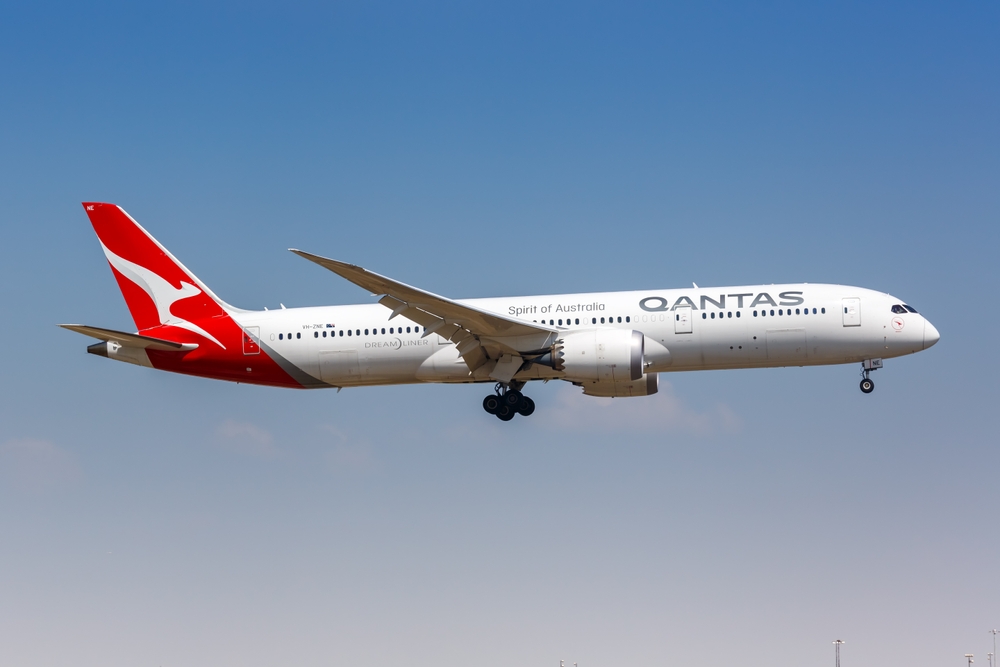
Qantas developed comprehensive sonic branding reflecting Australian identity and aviation heritage. Their audio logo uses orchestral elements suggesting flight and journey, with subtle didgeridoo influences connecting to Australian roots.
The sonic brand appears in boarding music, in-flight entertainment, video content, advertising, and airport lounges. Voice guidelines emphasize warm, professional Australian accents creating familiar, trustworthy experiences.
Woolworths: Everyday Audio
Woolworths’ sonic branding uses bright, optimistic music reflecting their “The Fresh Food People” positioning. Audio logo features playful whistling melody suggesting fresh, cheerful experiences.
Applied across TV commercials, radio ads, in-store audio, and mobile app, the sonic brand creates consistent recognition supporting Australia’s largest supermarket retailer.
Telstra: Tech-Positive Sound
Telstra’s evolution to digital-first brand included comprehensive sonic branding—electronic, modern music suggesting innovation and connection. Audio logo uses tech-positive sounds without being cold or overly futuristic.
The sonic identity spans advertising, retail stores, mobile app notifications, and customer service touchpoints, reinforcing Telstra’s technology leadership while maintaining accessible Australian identity.
Creating Your Audio Logo: The Foundation
Most Australian businesses should start sonic branding journey with audio logo creation—short, memorable musical signature forming the foundation for broader audio identity.
Audio Logo Characteristics
Brevity: 2-5 seconds maximum. Longer versions exist but core signature must be extremely concise.
Memorability: Melodically distinctive—simple enough to remember, complex enough to be interesting.
Flexibility: Must work across contexts—triumphant version for success moments, subtle version for backgrounds, variations for different emotional contexts.
Technical Optimization: Sound clear on phone speakers, smart speakers, earbuds, and broadcast environments.
Cultural Appropriateness: Resonate with your Australian audience while considering international expansion if relevant.
Distinctiveness: Sound unlike competitors in your category.
Audio Logo Development Process
1. Strategic Brief (1-2 weeks)
- Define brand personality and desired emotions
- Identify application contexts
- Provide musical direction and references
- Establish constraints and requirements
2. Concept Development (2-3 weeks)
- Composer creates 3-5 distinct concepts
- Present concepts with strategic rationale
- Gather feedback on direction and feel
- Select preferred direction for refinement
3. Refinement (2-3 weeks)
- Develop chosen concept fully
- Create variations (lengths, energy levels)
- Test with internal stakeholders
- Incorporate feedback for final polish
4. Production (1-2 weeks)
- Record and produce final audio logo
- Create all variations and lengths
- Deliver in multiple formats and quality levels
- Provide usage guidelines
5. Testing (2-4 weeks, optional but recommended)
- Test with target audience sample
- Measure recognition and emotional response
- Validate distinctiveness against competitors
- Make final adjustments if needed
Total Timeline: 8-14 weeks for complete audio logo development.
Investment Considerations
Budget Allocation:
- Strategic consultation and creative brief: $2,000-$5,000
- Composition and concept development: $5,000-$12,000
- Production and recording: $3,000-$8,000
- Testing and research (optional): $3,000-$10,000
- Usage rights and licensing: $2,000-$5,000
Total Range: $15,000-$35,000 for professional audio logo with full usage rights.
Higher budgets enable more extensive concept exploration, sophisticated production, comprehensive testing, and flexible licensing for international use.
Measuring Sonic Branding Success
Track sonic branding performance through multiple metrics.
Recognition Metrics
Aided Recognition:Play audio logo with visual brand elements—what percentage of audience recognizes association?
Unaided Recognition:Play audio logo without context—can audience identify brand?
Recognition Development:Track how recognition increases over time and exposure frequency.
Competitive Comparison:How well do audiences distinguish your sonic brand from competitors?
Emotional Response Metrics
Brand Association:Do audiences associate your audio with intended brand values? (innovative, trustworthy, energetic, etc.)
Emotional Resonance:What emotions do audiences report feeling when hearing sonic brand elements?
Preference:Do audiences prefer your sonic-branded content over generic alternatives?
Performance Metrics
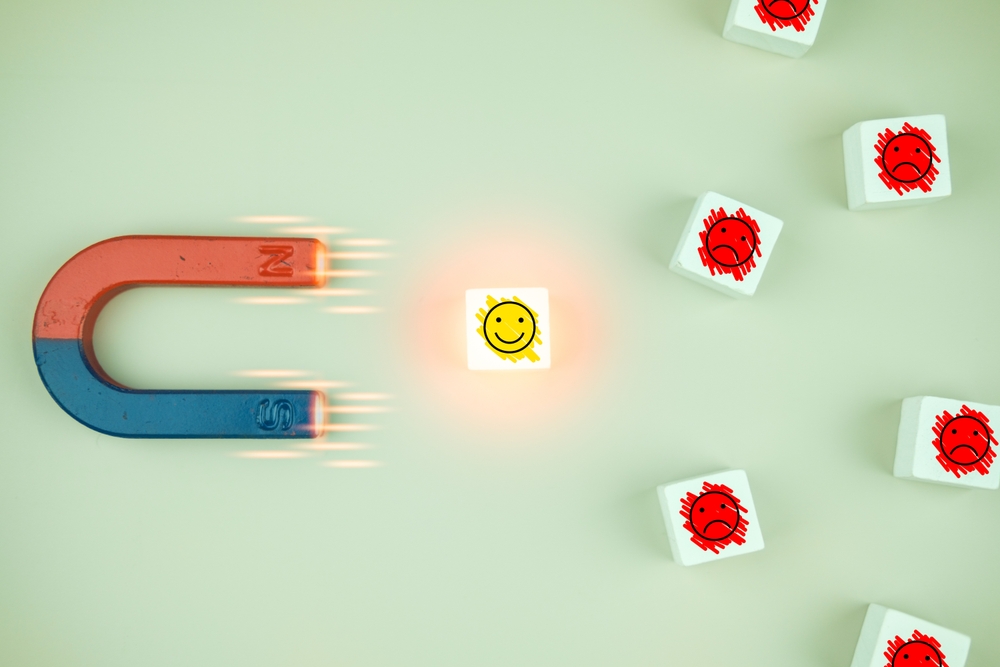
Engagement Lift:Compare engagement on sonic-branded content vs non-branded audio:
- Video completion rates
- Click-through rates on podcast ads
- App engagement with sonic UI elements
Brand Recall:Test brand recall after exposure to sonic-branded vs generic content.
Customer Feedback:Monitor qualitative feedback mentioning audio experiences:
- App store reviews mentioning notification sounds
- Customer service feedback about hold music
- Social media comments about branded audio content
Voice Commerce Conversion:Track conversion rates on voice-enabled purchasing compared to benchmarks.
Business Impact Metrics
Brand Health Tracking:Include sonic brand recognition in regular brand health studies.
Marketing Efficiency:Measure cost-per-impression improvements as sonic branding increases recognition.
Customer Lifetime Value:Compare CLV for customers exposed to consistent sonic branding vs those who aren’t.
Common Mistakes Australian Businesses Make
Mistake 1: Treating Sonic Branding as Afterthought
The Problem: Developing audio logo after visual brand is finalized, as checkbox exercise rather than strategic priority.
The Solution: Integrate sonic branding into comprehensive brand development from the start. Audio and visual identities should develop together, informing each other.
Mistake 2: Generic or Clichéd Audio
The Problem: Choosing safe, forgettable music that sounds like every competitor. “Corporate” piano, generic upbeat ukulele, or overused stock music.
The Solution: Push for distinctive audio that genuinely reflects your unique brand personality. Embrace what makes you different rather than sounding like everyone else.
Mistake 3: Inconsistent Application
The Problem: Using sonic branding sporadically—podcast ads one month, nowhere the next month. Mixing branded and non-branded audio randomly.
The Solution: Commit to consistent sonic brand application across all audio touchpoints. Consistency builds recognition and memory.
Mistake 4: Ignoring Technical Considerations
The Problem: Creating audio logos that sound great in studios but fail on phone speakers, smart speakers, or compressed podcast feeds.
The Solution: Test sonic branding across real-world playback scenarios. Optimize for small speakers and compressed formats most consumers encounter.
Mistake 5: No Usage Guidelines
The Problem: Creating audio assets without clear guidelines, leading to inconsistent or inappropriate application by teams and partners.
The Solution: Develop comprehensive sonic brand guidelines documenting proper usage, providing examples, and making correct implementation easy.
Mistake 6: Not Testing With Target Audience
The Problem: Assuming internal team preferences represent customer reactions. Launching sonic branding without validation.
The Solution: Test concepts with target audience samples before finalizing. Measure recognition, emotional response, and distinctiveness.
The Future: Voice-First Brand Experiences
Sonic branding becomes increasingly critical as technology trends toward voice-first, screen-optional interactions.
Ambient Computing: As smart devices fade into backgrounds, audio becomes primary brand touchpoint. Your brand voice literally is your brand in screenless environments.
Voice Commerce Maturity: Voice shopping transitions from novelty to mainstream, requiring trustworthy sonic identities that reassure customers making voice-based purchases.
Audio Social Platforms: New social platforms built around audio (Clubhouse, Twitter Spaces, podcast apps) create opportunities for sonic brand presence where visual branding is irrelevant.
AI Voice Assistants: Brand-specific AI assistants require comprehensive voice guidelines and sonic identities. Your brand’s AI personality must sound distinctly like you.
Spatial Audio: As spatial audio becomes standard (Apple’s Spatial Audio, Dolby Atmos), sonic branding gains new dimensions for immersive brand experiences.
Hearing Augmentation: Hearing aids evolving into augmented hearing devices create new audio contexts where sonic branding becomes discovery mechanism.
The Australian businesses dominating attention in coming years won’t just be seen—they’ll be heard, recognized, and remembered through strategic sonic identities working tirelessly across voice-first touchpoints.
Your Sonic Branding Action Plan
Immediate Actions (This Week)
- Audit Current Audio: Review all touchpoints where your brand currently uses audio. Is it consistent? Strategic? Memorable?
- Competitor Analysis: Listen to how competitors sound (if they sound like anything). Identify opportunities for differentiation.
- Stakeholder Alignment: Discuss sonic branding priority with leadership. Build case for investment based on audio-first trends.
- Budget Planning: Allocate $15,000-$35,000 for audio logo development or $50,000-$150,000 for comprehensive sonic brand.
- Partner Research: Identify sonic branding agencies or composers with relevant experience and Australian market understanding.
30-Day Actions
- Brand Personality Definition: Document brand personality, values, and desired emotional associations—foundation for creative brief.
- Application Mapping: Identify all audio touchpoints—current and planned—where sonic branding will appear.
- Brief Development: Create comprehensive creative brief for audio logo development including brand personality, musical direction, and technical requirements.
- Partner Selection: Interview and select agency or composer for sonic branding development.
- Project Kickoff: Begin audio logo development process with selected partner.
90-Day Actions
- Audio Logo Completion: Complete development, refinement, and production of audio logo.
- Testing: Validate audio logo with target audience sample before final commitment.
- Guidelines Creation: Develop sonic brand guidelines documenting usage across touchpoints.
- Asset Organization: Create organized library of audio assets in appropriate formats.
- Rollout Planning: Develop phased implementation plan starting with highest-priority touchpoints.
6-Month Actions
- Implementation: Roll out sonic branding across priority touchpoints—podcast ads, video content, app sounds, etc.
- Team Training: Educate internal teams and external partners on sonic brand guidelines and proper usage.
- Expansion: Gradually implement sonic branding across additional touchpoints as resources allow.
- Measurement: Track recognition, engagement, and brand health metrics comparing sonic-branded vs non-branded experiences.
- Optimization: Refine application based on performance data and customer feedback.
Ready To Build Your Sonic Brand Identity?
Maven Marketing Co. specializes in sonic branding strategy for Australian businesses entering the voice-first future. Our team connects brand strategy expertise with audio production networks, creating distinctive sonic identities that work across podcasts, voice assistants, social media, apps, and physical spaces.
We’ve helped Australian brands across retail, financial services, technology, and hospitality develop audio logos, brand music systems, and comprehensive sonic identities driving measurable recognition and engagement improvements.
Don’t let your brand remain silent as attention shifts to audio. Visit mavenmarketingco.com.au today for a complimentary sonic branding assessment. We’ll audit your current audio touchpoints, identify opportunities, and provide a clear roadmap to building your audio identity.
Book your sonic branding consultation now and join the Australian brands that customers recognize by sound alone.
Article Source :- https://www.mavenmarketingco.com.au/blog/sonic-branding-why-your-business-needs-an-audio-identity-in-2026