
Solar Subsidies in India: Your Guide to Eligibility, Benefits, and Application Process
The shift to solar energy is more than just a financial decision. It is an opportunity to contribute to India’s ambitious clean energy goals. By taking advantage of solar subsidies, you can significantly reduce your electricity costs while supporting a sustainable future
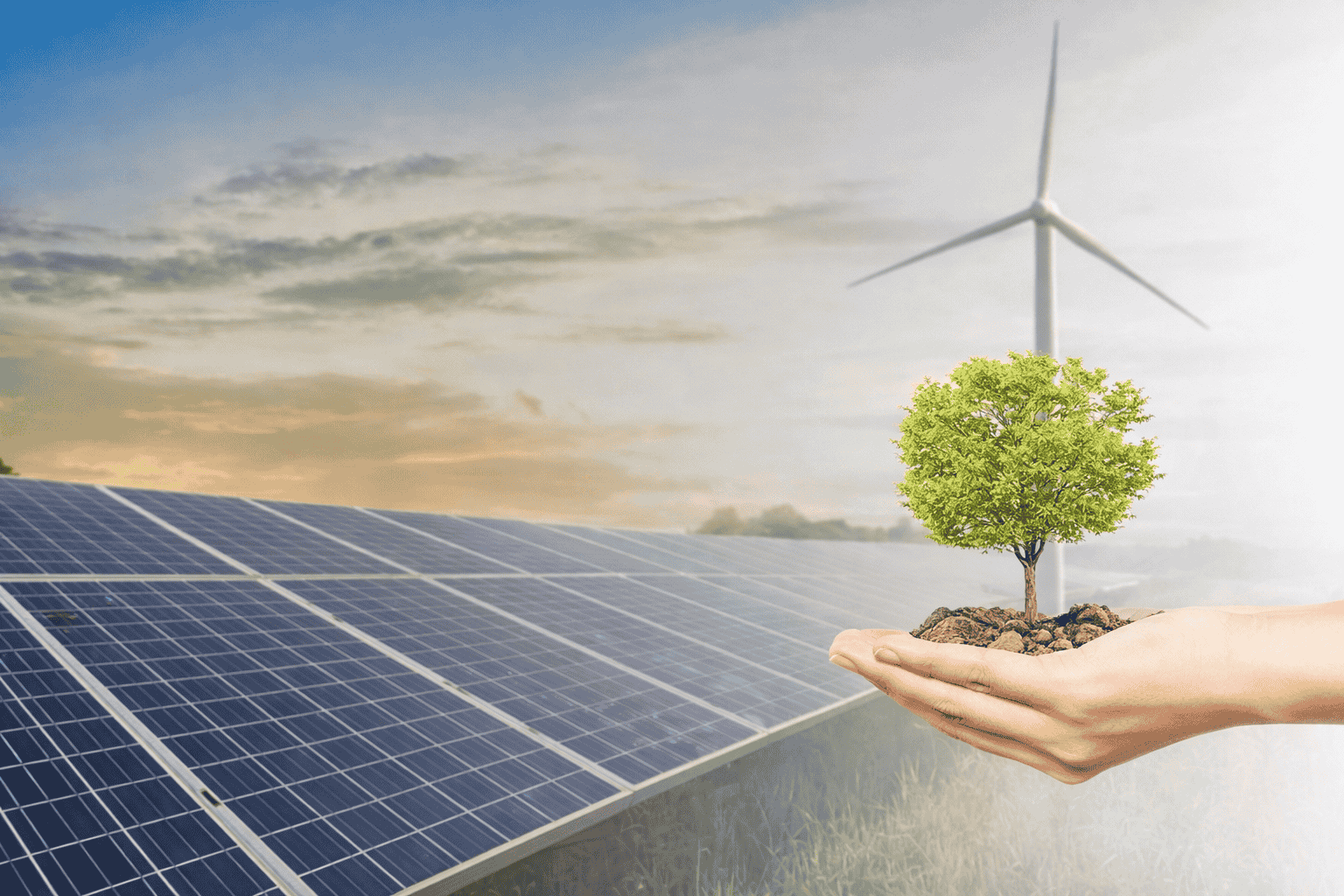
Unlocking the Power of the Sun
In recent years, rooftop solar installations have gained a significant amount of traction in India. With rising costs of electricity and a growing awareness of environmental responsibility, many households and businesses are turning to solar energy as an affordable and sustainable alternative. However, the initial cost of installing solar panels can be a barrier for some. This is where solar subsidies in India play a crucial role. These government schemes make the transition to solar energy more accessible and financially feasible.
In this guide, we’ll explore how you can benefit from these renewable energy incentives, the advantages of going solar, and the process of applying for subsidies. If you’ve been considering solar, 2026 could be the perfect time to take the leap.
Understanding Solar Subsidy in India
Solar subsidy is a financial assistance that is provided by the government to encourage citizens to use solar energy for homes and businesses. This financial support reduces the initial heavy cost of installing solar panels, making it more affordable for homeowners, businesses and agricultural sectors. The government’s push for clean energy financial support is a part of its broader strategy to reduce dependence on fossil fuels and promote renewable energy sources.
The most common government schemes for solar energy are the PM-KUSUM and PM Surya Ghar initiatives. These programs provide subsidies for rooftop solar systems and aim to reduce energy costs while advancing the country’s renewable energy goals. By taking advantage of these schemes, you contribute to the expansion of India’s solar energy initiatives, while benefiting from lower electricity bills and a cleaner environment.
India has made remarkable progress in solar energy. By 2026, the country had installed 135.81 GW of solar capacity, on track to meet its target of 500 GW of non-fossil fuel energy by 2030, with solar accounting for about 290–300 GW of that capacity.
Eligibility Criteria for Solar Subsidy
Before applying for a solar subsidy, it’s important to understand the eligibility requirements. In India, these criteria vary depending on the type of applicant, whether residential, commercial or agricultural.
For residential users, the key eligibility factors include income level, geographical location, and energy needs. The PM Surya Ghar scheme has made it easier for urban and rural homes to benefit from solar incentives. The goal is to make solar energy accessible across the country, regardless of where you live.
India’s PM-KUSUM scheme has already helped facilitate the installation of over 9.2 lakh standalone solar pumps for farmers, contributing significantly to the energy security of rural areas. This initiative underscores the commitment of the government to providing clean, affordable energy to all sectors of society.
Whether you are a homeowner or a business owner, if you meet the basic criteria, you can access the benefits of the solar subsidy. These programs are designed to make solar energy more affordable for everyone.
How to Apply for Solar Subsidy
Applying for a solar subsidy is straightforward and can be done through your local DISCOM (distribution company). Here is a step-by-step breakdown of the process.
- Check Eligibility: Start by confirming that you meet the basic eligibility criteria for the subsidy scheme.
- Fill Out the Application: Visit your state’s official solar portal or the PM Surya Ghar website to complete the application form.
- Provide Documentation: You will need to submit documents such as proof of identity, address, and a recent electricity bill.
- Approval & Installation: Once your application is approved, a certified installer will set up the solar system for you.
The process is designed to be user-friendly, ensuring that the transition to solar energy is as seamless as possible. Since the launch of PM Surya Ghar in 2024, rooftop solar installations have surged, and more than 10 lakh (1 million) homes were solarized in the first year alone. The ease of applying for subsidies is a major factor behind this success.
Benefits of Solar Subsidy in India
One of the biggest advantages of applying for a solar subsidy is the long-term financial savings. By reducing the cost of installation, these government incentives make it more affordable for households and businesses to switch to solar energy. Over time, solar panels can significantly reduce your electricity bills, sometimes by as much as 70-90%.
The government’s efforts to promote renewable energy incentives are not just about saving money—they also contribute to the broader environmental impact. Solar energy helps reduce dependence on fossil fuels, lowers carbon emissions and supports India's clean energy goals.
Residential users in India are seeing major reductions in their electricity bills after installing solar systems with government support. Many users are reporting savings of up to ₹10,000 per month, with a payback period of just 3 to 5 years for their initial investment.
Going solar not only saves on your energy costs but also contributes to a cleaner and more sustainable future.
The Future of Solar Subsidies in India
As we look to the future, solar energy will continue to play a key role in India’s efforts to reduce carbon emissions and shift toward more sustainable energy solutions. The government is committed to increasing solar energy capacity, with the 500 GW non-fossil energy target for 2030 being a central goal. This means more opportunities for individuals, businesses, and farmers to benefit from solar subsidies in the coming years.
The PM Surya Ghar scheme and other government programs will evolve to offer even more support for those looking to install solar systems. With continuous advancements in solar technology and further policy development, the potential for solar energy to transform India’s energy landscape is enormous.
As solar adoption continues to increase, the impact on both the economy and the environment will only grow stronger. It’s clear that solar energy is not just a short-term solution—it’s an essential part of India's long-term strategy for sustainability and energy independence.
Actionable Takeaways:
- Check your eligibility for solar subsidies before applying to ensure you get the maximum benefits.
- Start small by opting for a rooftop solar installation in your home or business.
- Connect with your local DISCOM to understand the specific steps and documentation needed for your application.
- Stay updated on policy changes that could provide additional financial support for solar installations.
- Consider both short-term savings and long-term environmental impact when deciding to invest in solar energy.
The shift to solar energy is more than just a financial decision. It is an opportunity to contribute to India’s ambitious clean energy goals. By taking advantage of solar subsidies, you can significantly reduce your electricity costs while supporting a sustainable future. With government initiatives like PM Surya Ghar making solar more accessible to everyone, there has never been a better time to make the switch.