Simple Core Exercises You Can Do Anywhere — No Equipment, Just Results
Core rehab exercises and simple core exercises help strengthen muscles, improve posture, and support recovery. They’re easy to perform, promote stability, and enhance daily movement for people of all fitness levels.
A strong core isn’t just about having visible abs — it’s the foundation for almost every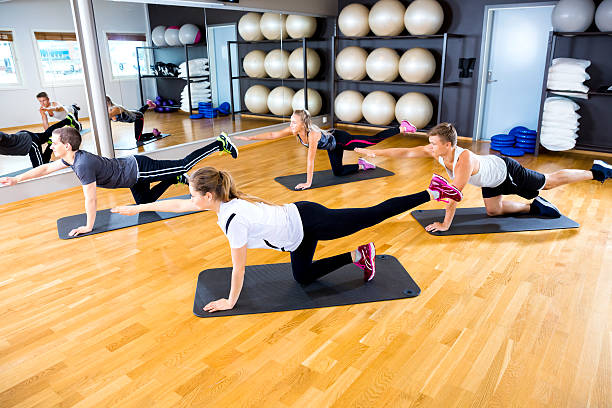 movement your body makes. Whether you’re reaching for something on a high shelf, bending to tie your shoes, or maintaining good posture at work, your core is working behind the scenes. The good news? You don’t need an expensive gym membership or bulky machines to strengthen it. With a few simple core exercises, you can build strength, stability, and endurance — anytime, anywhere.
In this guide, we’ll explore core rehab exercises and beginner-friendly movements you can do at home, in the park, or even during a break at the office.
Why Core Strength Matters
Your core is more than just your abdominal muscles — it includes your back, hips, pelvis, and the deep muscles that stabilize your spine. A strong core:
- Improves posture and reduces back pain
- Enhances balance and coordination
- Supports injury prevention
- Boosts athletic performance in any sport or activity
If you’ve experienced an injury or weakness in your midsection, core rehab exercises can help restore strength and function safely. Even if you’re healthy, incorporating simple movements into your daily routine keeps your core strong and stable for years to come.
1. Plank Hold
How to do it:
- Start in a push-up position with your forearms on the floor.
- Keep your body in a straight line from head to heels.
- Engage your core and hold for 20–60 seconds.
Why it works: Planks activate multiple core muscles at once, including your abs, lower back, and obliques. They also improve stability and posture.
Tip: If you’re new, start with 15–20 seconds and gradually increase your time.
2. Dead Bug
How to do it:
- Lie on your back with your arms straight above your chest and your knees bent at 90 degrees.
- Slowly extend your right arm overhead while straightening your left leg toward the floor.
- Return to the starting position and switch sides.
Why it works: This movement is excellent for core rehab exercises because it strengthens deep stabilizing muscles without putting strain on your spine.
Tip: Keep your lower back pressed into the floor the whole time.
3. Glute Bridge
How to do it:
- Lie on your back with your knees bent and feet flat on the ground.
- Press through your heels to lift your hips until your body forms a straight line from shoulders to knees.
- Hold for a few seconds, then lower slowly.
Why it works:
While this primarily targets your glutes, it also engages your lower back and deep core muscles, improving overall stability.
Tip: Squeeze your glutes at the top for maximum benefit.
4. Bird Dog
How to do it:
- Start on all fours, hands under shoulders and knees under hips.
- Extend your right arm forward and your left leg back at the same time.
- Hold for a moment, return, and switch sides.
Why it works: This is a safe, controlled exercise that builds balance, coordination, and core endurance — making it perfect for both beginners and rehab programs.
Tip: Keep your movements slow and steady to avoid wobbling.
5. Side Plank
How to do it:
- Lie on your side with your forearm on the ground and elbow directly under your shoulder.
- Lift your hips until your body is in a straight line.
- Hold for 20–40 seconds on each side.
Why it works: Side planks target your obliques, which are essential for rotational strength and stability.
Tip: Drop your bottom knee for an easier modification.
6. Seated Knee Lift
How to do it:
- Sit on the edge of a sturdy chair or bench.
- Lean back slightly, keeping your back straight.
- Lift both knees toward your chest, then lower slowly.
Why it works: This is a discreet core exercise you can do in the office or while watching TV — no floor space required.
Tip: Avoid swinging your legs; use controlled movement.
Making It a Routine
You don’t have to do all these moves every day — even 10–15 minutes, three to four times a week, can make a difference. Here’s a simple starter plan:
Day 1 & 3: Plank, Dead Bug, Glute Bridge Day 2 & 4: Bird Dog, Side Plank, Seated Knee Lift
Aim for 2–3 sets of each exercise, resting for 30 seconds between sets.
Safety Tips for Core Training
- Always engage your core before starting any movement.
- Avoid holding your breath — breathe steadily throughout each exercise.
- Start with shorter holds and fewer reps, then progress as you get stronger.
- If you feel pain (not muscle fatigue), stop and adjust your form.
When to Consider Core Rehab Exercises
If you’ve had surgery, injury, or chronic pain, jumping into intense core workouts can do more harm than good. Core rehab exercises focus on slow, controlled movements that restore muscle function and protect your spine. A physical therapist can help create a plan tailored to your needs.
Lifestyle Habits to Support Core Strength
Strengthening your core isn’t just about exercise — your daily habits matter, too:
- Practice good posture: Keep your shoulders back and abs gently engaged while sitting or standing.
- Stay active: Even walking or light stretching helps maintain core function.
- Avoid prolonged sitting: Take breaks to stand, stretch, or walk every hour.
- Lift with care: Always bend your knees and keep your back straight when picking things up.
How Long Until You See Results?
With consistency, most people notice better posture, stability, and muscle tone in 4–6 weeks. Remember, the goal isn’t just looking fit — it’s building a strong foundation that supports your body every day.
Conclusion: Core Strength is for Everyone
A strong core is the key to better movement, less pain, and improved quality of life. These simple core exercises are beginner-friendly, equipment-free, and effective whether you’re at home, at work, or on the go. By starting small and staying consistent, you’ll build stability and strength that benefits you for years to come.
Performance Physical Therapy can help you create a safe, effective plan if you need guidance on core rehab exercises or want to recover from injury while improving your strength.