
Pregnancy Massage for Back Pain Relief
Discover how pregnancy massage relieves back pain, improves posture, reduces stress, and supports a healthier, more comfortable pregnancy with safe, expert techniques.
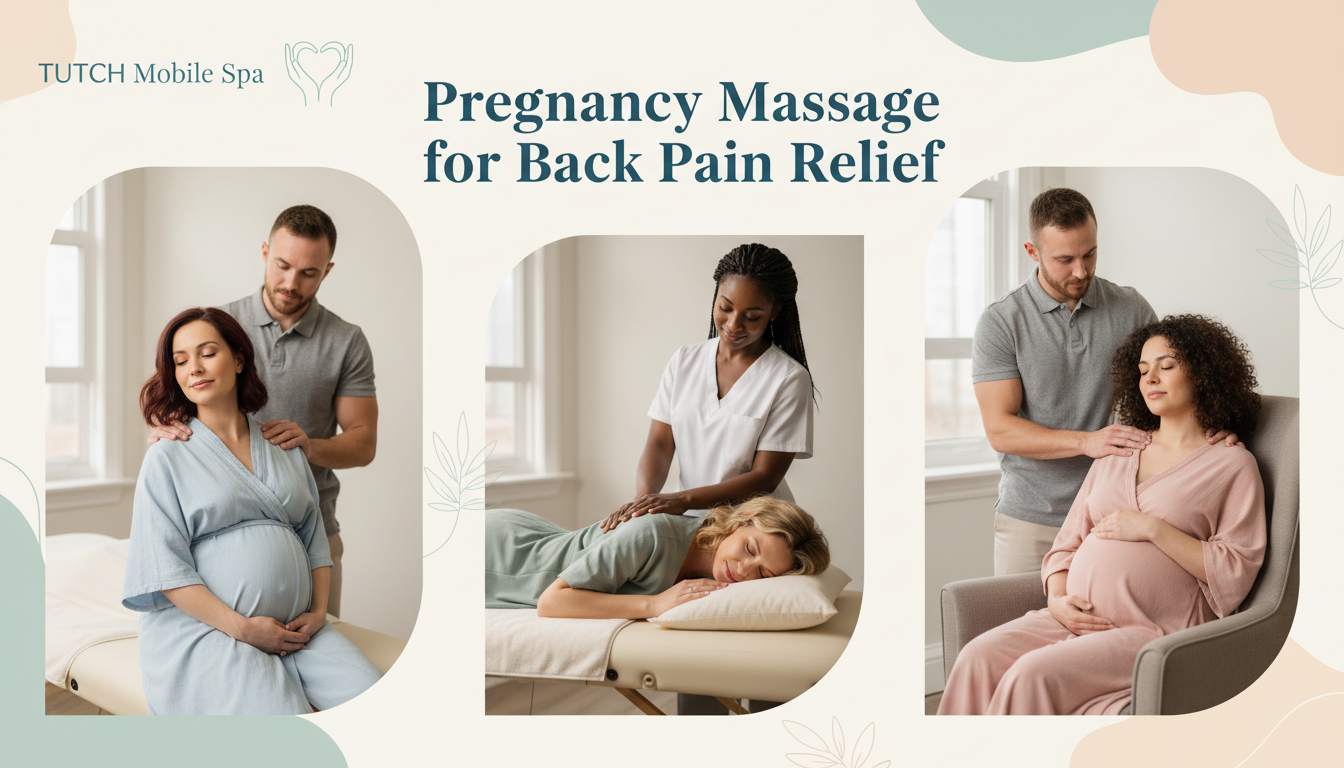
Pregnancy is a beautiful journey, but it can also bring physical discomfort — particularly back pain. As the body changes to accommodate the growing baby, expectant mothers commonly experience muscle tension, stiffness, and postural imbalances. One effective natural remedy gaining popularity is pregnancy massage for back pain relief. This gentle therapy not only reduces discomfort but also supports emotional well-being, promotes better sleep, and helps prepare the body for labor.
Understanding Back Pain During Pregnancy
Back pain affects up to 70% of pregnant women, especially in the second and third trimesters. The primary causes include hormonal, postural, and muscular changes.
· Hormonal changes: The hormone relaxin softens ligaments and joints, making the pelvis more flexible for childbirth. However, it can also cause instability and strain in the lower back.
· Postural shifts: As the baby grows, a woman's center of gravity shifts forward, increasing the curvature of the lower spine (lordosis). This added stress leads to pain in the lumbar region.
· Weight gain: The additional weight puts extra pressure on the spine and hips, contributing to fatigue and soreness.
· Muscle tension: Prolonged standing, sitting, or poor posture can cause tightness in the lower back, shoulders, and neck.
These changes often make everyday tasks uncomfortable, but professional prenatal massage therapy can help relieve the physical tension and restore comfort.
What Is Pregnancy Massage?
Pregnancy massage — also known as prenatal massage — is a specialized form of therapeutic bodywork designed for expectant mothers. It uses gentle, modified techniques that ensure safety for both the mother and baby. Trained pregnancy massage therapists understand how to position the body safely and apply appropriate pressure without straining sensitive areas.
Most prenatal massages focus on improving circulation, reducing muscular tension, easing joint pressure, and promoting deep relaxation. The session typically lasts between 45 to 60 minutes, depending on the mother’s comfort and trimester.
Benefits of Pregnancy Massage for Back Pain Relief
1. Reduces Lower Back Pain
The main goal of pregnancy massage is pain relief. Targeted strokes along the spine, hips, and lower back muscle groups—especially the erector spinae and gluteal muscles—help release tightness and improve flexibility. By enhancing blood and oxygen flow, massage naturally reduces inflammation and stiffness in the back.
2. Improves Circulation and Reduces Swelling
Swollen feet and legs are common during pregnancy due to fluid retention. Massage stimulates the lymphatic system, which improves blood circulation and reduces edema. Better circulation also helps relieve strain on the lower back by ensuring adequate oxygen supply to tired muscles.
3. Relieves Sciatic Nerve Discomfort
As the uterus expands, it can compress the sciatic nerve, leading to sharp pain, numbness, or tingling in the lower back and legs. Gentle gliding and kneading techniques around the lower spine and glutes can relieve this nerve tension. Many women find that regular prenatal massages reduce sciatic pain significantly.
4. Improves Posture and Spinal Alignment
The body compensates for the growing belly by arching the back, which can create postural imbalances. Prenatal massage helps realign muscles and reduce tension in the shoulders and neck, improving posture and minimizing back strain.
5. Supports Emotional Wellness
Back pain often increases stress levels and anxiety. Massage encourages the release of endorphins and serotonin — the body's natural “feel-good” hormones — which promote relaxation, emotional balance, and better sleep quality.
Safe Massage Techniques During Pregnancy
A pregnancy-safe massage uses modified techniques to support comfort and safety:
· Side-lying position: Lying face down can put pressure on the abdomen, while lying flat on the back can compress major blood vessels. Side-lying with supportive pillows is the safest and most comfortable position.
· Gentle pressure: Soft, rhythmic strokes relieve tight muscles without stressing the joints. Deep-tissue massage is avoided unless cleared by a healthcare professional.
· Focus on key areas: The lower back, hips, legs, shoulders, and neck receive special attention for maximum pain relief.
· Use of safe oils: Therapists often use natural, unscented massage oils like coconut or grapeseed oil, which are gentle on sensitive skin.
When to Avoid Pregnancy Massage
While generally safe, there are certain times when prenatal massage is not recommended:
· Women in the first trimester may be advised to wait due to an increased risk of dizziness or nausea.
· If there are high-risk pregnancy conditions, such as preeclampsia, gestational hypertension, or placenta previa, doctor approval is essential.
· Avoid massage if experiencing deep vein thrombosis (DVT), vaginal bleeding, or symptoms like severe abdominal pain.
Always consult a licensed healthcare provider or certified prenatal massage therapist before beginning any treatment.
Professional vs. At-Home Pregnancy Massage
Both professional and at-home massages can be effective for managing back pain during pregnancy, but they differ in technique and benefits.
Professional massage therapy offers the advantage of expertise. A certified therapist understands pregnancy anatomy and knows how to target the right muscle groups safely. Clinics specializing in prenatal care often have adjustable tables and side-support cushions for comfort.
At-home massage can be a relaxing supplement. Partners can gently massage the back, shoulders, and legs using light, circular motions. Using a warm compress or massage oil enhances relaxation. However, it’s best to learn the correct techniques or seek guidance from a prenatal therapist to avoid pressure on sensitive points.
Complementary Practices to Support Back Pain Relief
In addition to prenatal massage, several holistic methods can help reduce back pain safely:
· Prenatal yoga: Gentle stretching improves flexibility and posture.
· Warm baths: A relaxing bath can ease muscle stiffness.
· Proper posture awareness: Sitting with back support and avoiding standing for extended periods reduces tension.
· Maternity support belts: These relieve spinal pressure by supporting the lower abdomen.
· Physical therapy: For persistent pain, physiotherapists can provide targeted exercises.
Combining these practices with pregnancy massage helps maintain overall wellness throughout the gestation period.
How Often Should a Pregnant Woman Get a Massage?
Massage frequency depends on pain level, trimester, and medical history. Many experts recommend one massage every two to four weeks during the second trimester and more frequent sessions in the third trimester if discomfort increases. Listening to your body is key. Consistent sessions can prevent tightness from building up and support a smoother, more comfortable pregnancy.
Final Thoughts on Pregnancy Massage and Back Pain Relief
Pregnancy massage is more than just a luxury — it is a therapeutic, holistic approach to easing back pain, improving mobility, and nurturing both body and mind during this transformative period. With the guidance of a qualified prenatal massage therapist and mindful self-care practices, expectant mothers can experience significant relief from back pain, better sleep, and enhanced overall well-being.
Back pain doesn’t have to overshadow the joy of pregnancy. By incorporating safe and regular prenatal massage, mothers can feel more supported, energized, and prepared for the next stage of motherhood.