
Power Projects Baghdad: Energizing Iraq’s Capital for a Resilient Future
Power projects in Baghdad are essential for enhancing energy infrastructure, promoting economic growth, and ensuring reliable electricity access for the city's residents.
The focal point of national development programs, particularly in the field of energy, has always been Baghdad, the capital of Iraq. As demand for reliable electricity surges alongside rapid urbanization and industrial growth, power projects Baghdad have become critical to ensuring energy security, economic stability, and quality of life for millions of residents.
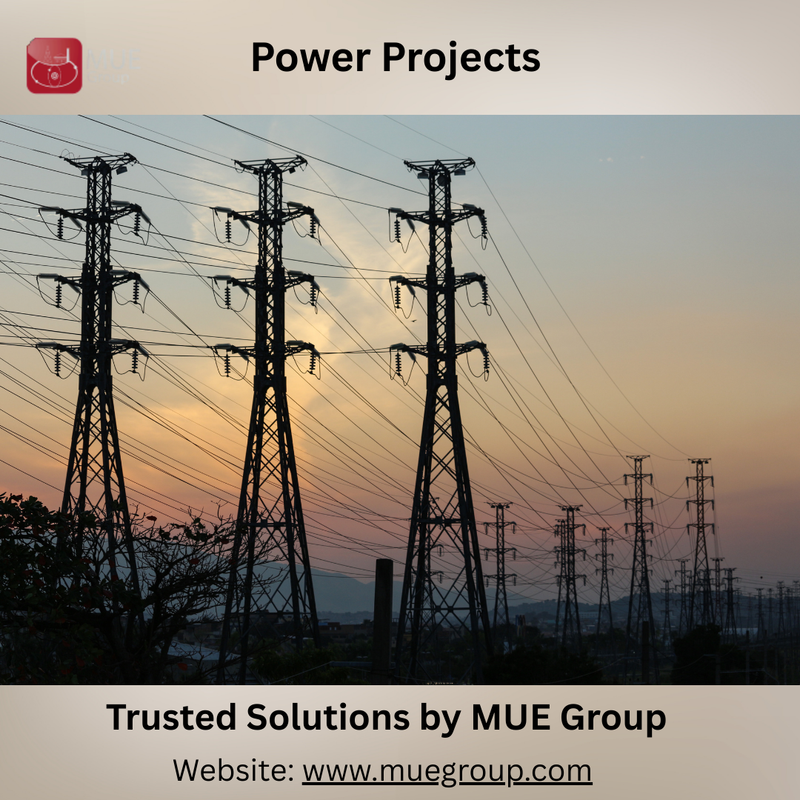
Over the past decade, Baghdad has witnessed a growing portfolio of large-scale and localized energy projects focused on power generation, grid rehabilitation, transmission upgrades, and renewable integration. From gas-fired plants to solar ventures and high-voltage substations, these initiatives are transforming the energy landscape in Iraq’s capital city.
The Need for Power Expansion in Baghdad
The necessity of expanding power infrastructure in Baghdad is driven by several key factors:
· Population Growth: With over 8 million residents, Baghdad’s energy consumption has increased significantly in both residential and commercial sectors.
· Aging Infrastructure: Much of Baghdad’s grid and generation systems date back decades and are prone to blackouts, energy losses, and inefficiencies.
· Economic Activity: As commerce, healthcare, education, and industry develop, energy reliability becomes essential to sustain progress.
· Climate Conditions: Iraq’s extreme summer heat leads to surging electricity demand for cooling systems.
To meet these challenges, the Iraqi government, in collaboration with international partners and engineering firms, is investing heavily in power projects in Baghdad aimed at both immediate relief and long-term sustainability.
Major Types of Power Projects in Baghdad
1. Thermal Power Plants Gas-fired power plants remain a staple in Baghdad’s energy mix. These facilities are often upgraded with combined-cycle technology to improve fuel efficiency and output. New installations are being developed with faster deployment timelines and higher capacity.
2. Substation Upgrades and Grid Reinforcement Modernizing transmission infrastructure is just as critical as generation. Projects to replace old transformers, lay high-voltage cables, and install smart switchgear are helping reduce energy loss and improve distribution reliability across neighborhoods.
3. Renewable Energy Integration While still in its early stages, Baghdad is exploring solar energy projects, particularly for public buildings and industrial zones. Rooftop solar and utility-scale photovoltaic farms are being considered as Iraq diversifies away from fossil fuels.
4. Independent Power Producer (IPP) Initiatives To encourage private sector participation, the government has launched IPP models, allowing private developers to build and operate power plants under long-term agreements. This reduces public financial burdens and increases project efficiency.
Challenges Facing Power Projects in Baghdad
Despite the momentum, several hurdles must be overcome to ensure timely and effective project execution:
· Funding and Investment Risks: Political and security instability has historically made Baghdad a high-risk environment for foreign investment.
· Technical Skill Gaps: Local talent shortages in electrical engineering and power systems require training and development programs to support infrastructure goals.
· Supply Chain Disruptions: Importing critical components for power systems can be delayed due to geopolitical issues or global trade disruptions.
· Regulatory Barriers: Complex licensing and permitting processes can stall progress, especially for new players entering the market.
Nevertheless, with the right strategic partnerships and policy reforms, these obstacles can be mitigated.
The Role of International and Local Partners
To accelerate project delivery and ensure quality standards, Baghdad has increasingly partnered with global engineering and construction firms. These entities bring not only technical expertise but also access to modern technology, efficient procurement systems, and robust project management methodologies.
Local companies are also stepping up, contributing to civil works, operations, and maintenance. Collaboration between international and Iraqi firms is fostering capacity building and knowledge transfer.
The Future Outlook for Baghdad’s Energy Sector
Iraq’s Ministry of Electricity has outlined a national roadmap that places Baghdad at the forefront of energy reform. Some goals include:
· Adding 30% more generation capacity in Baghdad by 2030
· Improving energy efficiency through digital metering and grid automation
· Increasing the share of renewables to at least 10% of Baghdad’s power mix
· Enhancing regional interconnection with neighboring countries like Jordan and the Gulf states
Smart cities, electric vehicle infrastructure, and industrial electrification will also demand more reliable and scalable power systems—further reinforcing the importance of well-executed power projects in Baghdad.
Conclusion
As Baghdad continues to grow and modernize, power projects Baghdad are playing a foundational role in shaping its future. These initiatives are not just about adding megawatts to the grid—they are about powering healthcare, education, commerce, and daily life in one of the Middle East’s most important capitals.
Strategically planned and efficiently implemented, these projects offer a path toward energy independence, economic diversification, and sustainable development. With the right mix of policy support, investment, and engineering excellence, Baghdad is well on its way to becoming a regional energy model.