
Pop Up Gazebo Essentials: What Professionals Need to Know
Discover the key features professionals need in a pop up gazebo, from durability to setup speed. Learn how to choose the right model for UK outdoor events.
A pop up gazebo has become one of the most valuable tools for professionals working outdoors. Event organisers, market traders, construction managers, caterers, sports clubs, and educators increasingly depend on these structures for reliable shelter, professional presentation, and operational efficiency. Unlike domestic leisure tents, commercial gazebos are engineered for repeated use, unpredictable weather, and heavy-duty demands.
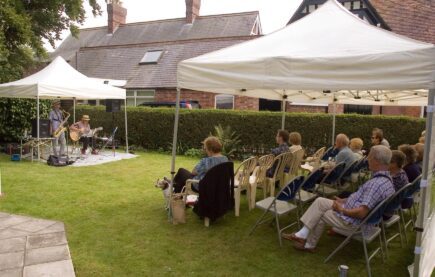
This article outlines the essential features professionals should look for, the common misconceptions to avoid, and the practical considerations that define a truly commercial-grade pop up gazebo.
1. What Defines a Professional-Grade Pop Up Gazebo?
Not all gazebos are created equal. Many budget models look appealing online, but their build quality is not suited for professional environments.
a. Frame Construction
Professionals should prioritise:
- 40–60mm aluminium frames
- Reinforced crossbars
- Heavy-duty joints (nylon or alloy)
- Hexagonal legs for better load distribution
These features help the gazebo withstand frequent setups, wind exposure, and long-term outdoor use.
b. Canopy Fabric
A professional canopy should be:
- Fully waterproof (not just showerproof)
- Fire-retardant to UK standards
- UV-resistant
- Constructed from high-denier polyester or PVC-coated fabric
Fabric quality is one of the clearest indicators of long-term durability.
2. Why Fast Deployment Matters for Professionals
One of the biggest advantages of a pop up gazebo is speed. Whether working alone or with a partner, most commercial units can be erected in under 60 seconds. This rapid deployment saves time at events, markets, job sites, and outdoor exhibitions.
Additional Professional Benefits
- No tools required
- Canopy can remain attached when stored
- Quick breakdown improves safety during weather changes
For the pop up gazebo UK market, where conditions can shift quickly, this efficiency is crucial.
3. Choosing the Right Format: Sides, Awnings & Specialised Designs
Professionals have different needs depending on their sector. Selecting the correct configuration ensures better performance.
Pop Up Gazebos With Sides
Ideal for:
- Weather protection (rain, wind, sun)
- Privacy
- Enclosed workspace
- Product security
- Branded displays
Sidewalls are especially important in the UK’s variable climate.
Pop Up Awning
A pop up awning extends sheltered space beyond the canopy, making it useful for:
- Customer-facing retail setups
- Catering operations
- Outdoor exhibitions
- Display stalls
It creates a more inviting and functional frontage.
Pop Up Camping Gazebo
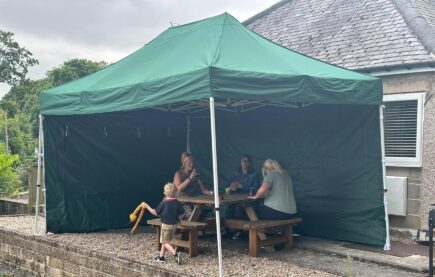
Suited for outdoor instructors, adventure companies, and travel operators, offering:
- A protected basecamp
- Storage and gear shelter
- Quick meeting or instruction space
The design prioritises portability and all-weather reliability.
4. Essential Facts for Professional Buyers
- A commercial pop up gazebo can last 5–10 years with correct maintenance.
- High-quality canopies often offer 98% UV protection, essential for long outdoor exposure.
- UK professionals increasingly prefer aluminium frames; steel models account for most early failures.
- When correctly anchored, commercial gazebos can withstand 40–55 mph winds depending on structure and exposure.
- Annual market data shows that over 40% of users upgrade from leisure-grade units within their first year due to failures.
5. Anchoring & Safety
Professional use requires proper anchoring. Most gazebo damage occurs not because of weak frames, but due to incorrect or insufficient weight.
Recommended Anchoring Methods
- Metal leg weights (15–25kg each)
- Guy ropes for windward sides
- Ground stakes on soft terrain
- Additional sandbags for exposed or coastal locations
- Continuous monitoring during high-wind warnings
Correct anchoring is mandatory for trading permits in many UK councils and event venues.
6. Branding & Presentation for Commercial Impact
For many professionals, a gazebo is not only shelter - it is a promotional and marketing asset.
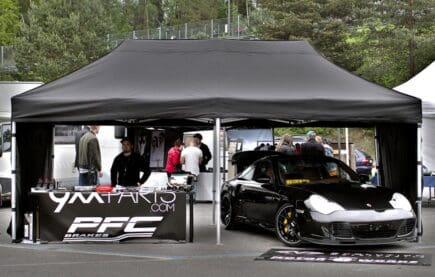
Branding Options Include:
- Fully printed canopies
- Dye-sub printed walls
- Branded valances
- Printed counters and flags
- Custom-colour framework
These enhancements increase visibility at markets, festivals, exhibitions, and roadshows.
7. Key Considerations
The UK market has specific needs due to climate, regulation, and repeated commercial use. Professionals should look for suppliers offering:
- UK fire-retardant certification
- Genuine waterproof rating and sealed seams
- Spare parts availability (joints, canopies, frames)
- Fast delivery for replacement components
- Solid manufacturer support and warranty
Buying from reputable UK suppliers ensures long-term serviceability and safety compliance.
Professional Guidance
Q1: What size gazebo is most common for professional use?
3×3m and 3×4.5m are the most universal sizes, offering enough internal space while remaining portable.
Q2: Are pop up gazebos with sides worth it?
Yes—sidewalls improve weather protection, privacy, and branding opportunities, making them a smart upgrade.
Q3: Can a pop up gazebo be used year-round?
Many professional models can be, provided they are anchored properly and not used in extreme wind conditions.
Q4: What is the major difference between cheap and commercial gazebos?
Frame quality, canopy durability, and joint construction. Budget models may last months; commercial models last years.
Q5: What should professionals avoid?
Thin frames, non-waterproof canopies, plastic connectors, and unbranded imports with no spare-parts support.
For professionals, a pop up gazebo is more than a temporary shelter—it’s a critical operational tool that supports productivity, branding, and customer experience. Whether you operate at markets, events, festivals, trade shows, or outdoor job sites, choosing a durable, correctly specified unit ensures safety, reliability, and long-term value.
With a wide range of pop up gazebos for sale, including specialised camping setups, full-wall enclosures, and commercial awning extensions, professionals can select a configuration tailored to their industry.
A well-chosen pop up gazebo is not just equipment; it’s a long-term investment in efficiency, presentation, and professional performance.