
Lidocaine Hydrochloride Oral Topical Solution USP: A Comprehensive Guide
Lidocaine Hydrochloride Oral Topical Solution USP provides fast, localized relief from pain and irritation in the mouth and throat. It numbs oral tissues effectively, making it useful for dental care, diagnostic procedures, and temporary management of oral discomfort.
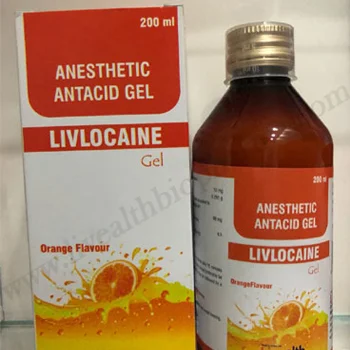
Lidocaine Hydrochloride Oral Topical Solution USP is a well-established local anesthetic formulation used to provide temporary relief from pain and irritation in the oral cavity and throat. It is widely utilized in dental care, clinical procedures, and supportive therapy where localized numbness is required. Designed for topical application, this solution helps improve patient comfort by targeting affected areas directly without causing systemic effects when used as directed.
What Is Lidocaine Hydrochloride Oral Topical Solution USP?
Lidocaine Hydrochloride Oral Topical Solution USP is a liquid formulation containing lidocaine hydrochloride, an amide-type local anesthetic. It is intended for application on the mucous membranes of the mouth and pharynx, where it temporarily blocks sensation. Unlike oral pain relievers that work throughout the body, this topical solution acts only at the site of application.
The USP designation confirms that the formulation complies with established standards for quality, strength, and purity, ensuring consistency and reliability for medical use. This makes it suitable for use in professional healthcare environments as well as controlled therapeutic settings.
How Lidocaine Works
Lidocaine works by blocking sodium channels in nerve cells. Sodium ions play a critical role in transmitting pain signals from nerves to the brain. When lidocaine is applied to the mucosal surface, it stabilizes the nerve membrane and prevents these signals from being transmitted.
As a result, the treated area experiences a reversible loss of sensation. This action occurs quickly, making lidocaine especially useful when rapid pain relief is required. Its duration of action is sufficient for short-term procedures or temporary symptom control.
Primary Uses and Applications
Relief from Oral Pain and Irritation
Lidocaine Hydrochloride Oral Topical Solution USP is commonly used to manage discomfort caused by mouth ulcers, inflamed gums, sore throat, and oral mucositis. By numbing the irritated tissues, it allows patients to eat, drink, and speak more comfortably during recovery.
Dental Procedures
In dental practice, this solution is frequently applied before procedures such as impressions, X-rays, or minor interventions. It helps reduce discomfort and suppress the gag reflex, improving the overall patient experience without the need for injectable anesthesia.
Medical and Diagnostic Use
Healthcare professionals may use lidocaine oral topical solution prior to certain diagnostic or therapeutic procedures involving the mouth and throat. Its ability to reduce sensitivity makes examinations smoother and less stressful for patients.
Method of Administration
The solution is applied directly to the oral mucosa. Depending on the clinical requirement, it may be:
-
Swished around the mouth and then expelled
-
Gargled for throat discomfort
-
Used in measured amounts as directed by a healthcare professional
Because lidocaine numbs protective reflexes, patients are generally advised not to eat or drink for at least one hour after application. This precaution helps prevent accidental injury to the mouth or throat while sensation is reduced.
Safety Considerations and Precautions
When used correctly, Lidocaine Hydrochloride Oral Topical Solution USP is generally well tolerated. However, responsible use is essential to avoid adverse effects.
Common Side Effects
Temporary numbness, mild irritation at the application site, or changes in taste may occur. These effects usually resolve as the anesthetic effect wears off.
Important Warnings
Excessive use or application to damaged mucosal surfaces can lead to increased absorption into the bloodstream. In rare cases, this may cause systemic reactions such as dizziness, irregular heartbeat, or nervous system effects. For this reason, dosing instructions must always be followed carefully.
Special caution is required when administering lidocaine to children, as improper dosing can result in serious complications. Individuals with known sensitivity to amide-type anesthetics should avoid using this formulation unless advised otherwise by a healthcare professional.
Advantages Over Other Topical Anesthetics
Compared to some older local anesthetics, lidocaine offers a balanced profile of fast onset and moderate duration. Its amide-based structure reduces the likelihood of allergic reactions seen with certain ester-type anesthetics. These characteristics make lidocaine a preferred choice in many oral and clinical applications.
Additionally, its effectiveness at low concentrations allows for targeted relief without excessive exposure, supporting safer outcomes when used appropriately.
Role in Pharmaceutical Supply and Manufacturing
Lidocaine Hydrochloride Oral Topical Solution USP forms part of a broader category of anesthetic formulations used globally. Pharmaceutical manufacturers and suppliers focus on maintaining stringent quality standards, including adherence to Good Manufacturing Practices, to ensure consistency across batches.
Companies like Livealth Biopharma are involved in supplying high-quality pharmaceutical formulations and active ingredients to international markets. Their focus on compliance, quality assurance, and reliable distribution supports healthcare providers and institutions worldwide.
Conclusion
Lidocaine Hydrochloride Oral Topical Solution USP plays a vital role in modern healthcare by providing effective, localized pain relief for oral and pharyngeal conditions. Its fast-acting anesthetic properties make it invaluable in dental care, clinical procedures, and supportive treatment of painful oral conditions.
When used responsibly under medical guidance, it enhances patient comfort while maintaining a strong safety profile. Understanding its mechanism, applications, and precautions ensures that both healthcare professionals and patients can benefit from its therapeutic value with confidence.