
Hydraulic couplers explained : how they work and why they matter
Hydraulic couplers are small components with a higher impact. These are Found in construction equipment, agricultural machinery, industrial systems, and many other applications, hydraulic couplers make it possible to connect and disconnect
Hydraulic couplers are small components with a higher impact. These are Found in construction equipment, agricultural machinery, industrial systems, and many other applications, hydraulic couplers make it possible to connect and disconnect hydraulic lines quickly, safely, and efficiently. Without them, changing tools or hoses would be time-consuming, messy, and potentially dangerous. Let’s Understand how hydraulic couplers work and why they matter helps operators, technicians, and decision-makers get the most out of their equipment.
What Are Hydraulic Couplers?
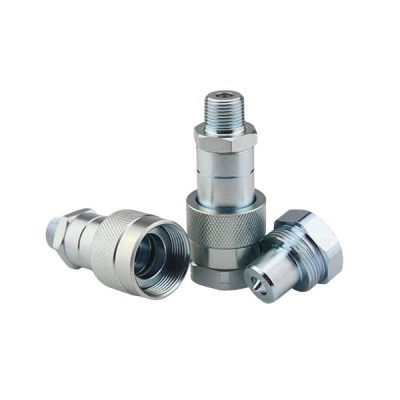
Hydraulic couplers, often called quick couplers or quick-connect couplings, are fittings that join hydraulic hoses or lines. The main purpose of hydraulic couplers is to allow hydraulic fluid to flow between components while maintaining a secure, leak-free connection. At the same time, they enable fast disconnection when equipment needs to be changed or serviced.
Most hydraulic couplers are made up of two main parts: a male (plug) and a female (socket). When these two parts are connected, internal valves allow the hydraulic fluid to pass through. When disconnected, the valves close automatically, preventing fluid loss and keeping contaminants out of the system.
How Hydraulic Couplers Work
The basic operation of a hydraulic coupler is straightforward but precisely engineered. When the male and female halves are pushed together, locking mechanisms—such as balls, pins, or sleeves—secure the connection. Avt the same time, internal poppet or ball valves are forced open, creating a clear path for hydraulic oil to flow.
When the coupler is disconnected, the locking mechanism releases and the internal valves snap shut. This is crucial because hydraulic systems operate under high pressure. Closing the valves prevents oil from spraying out, reduces spills, and helps maintain system pressure and cleanliness.
Some hydraulic couplers are designed to connect under pressure, while others require pressure to be relieved before coupling or uncoupling. Advanced designs may include flat-face valves that minimize fluid loss and reduce the risk of air entering the system.
Why Hydraulic Couplers Matter
Hydraulic couplers will play a critical role in efficiency, safety, and machine longevity. One of their biggest advantages is time savings. Operators can switch attachments or connect hydraulic tools in minutes rather than hours, significantly reducing downtime.
Safety is another key benefit. Properly designed hydraulic couplers prevent sudden fluid release and reduce the risk of hose whip or oil injection injuries. Many modern couplers also support safer operation by minimizing the need for manual handling of pressurized lines.
Hydraulic couplers also help protect the hydraulic system itself. By sealing automatically when disconnected, they keep dirt, dust, and moisture from entering the system. Contamination is one of the leading causes of hydraulic failure, so clean connections directly contribute to longer component life and lower maintenance costs.
Applications Across Industries
Hydraulic couplers are used wherever hydraulic power is needed. In construction, they allow excavators and loaders to switch between buckets, breakers, and grapples quickly. In agriculture, they connect implements such as plows, loaders, and harvesters. In manufacturing and industrial settings, hydraulic couplers support machinery, presses, and testing equipment that require reliable hydraulic connections.
Hydraulic couplers may seem like small components, but they are essential to the performance and reliability of hydraulic systems. By enabling quick, clean, and safe connections, they improve productivity, enhance safety, and reduce wear on equipment. Understanding how hydraulic couplers work and why they matter makes it easier to choose the right solution and keep hydraulic systems operating smoothly in demanding environments.