
How AI Powered Taxi Booking Apps Improve Ride Efficiency and Profitability?
Discover how AI powered taxi booking apps improve ride efficiency and profitability through smart dispatching, real-time analytics, and automation.
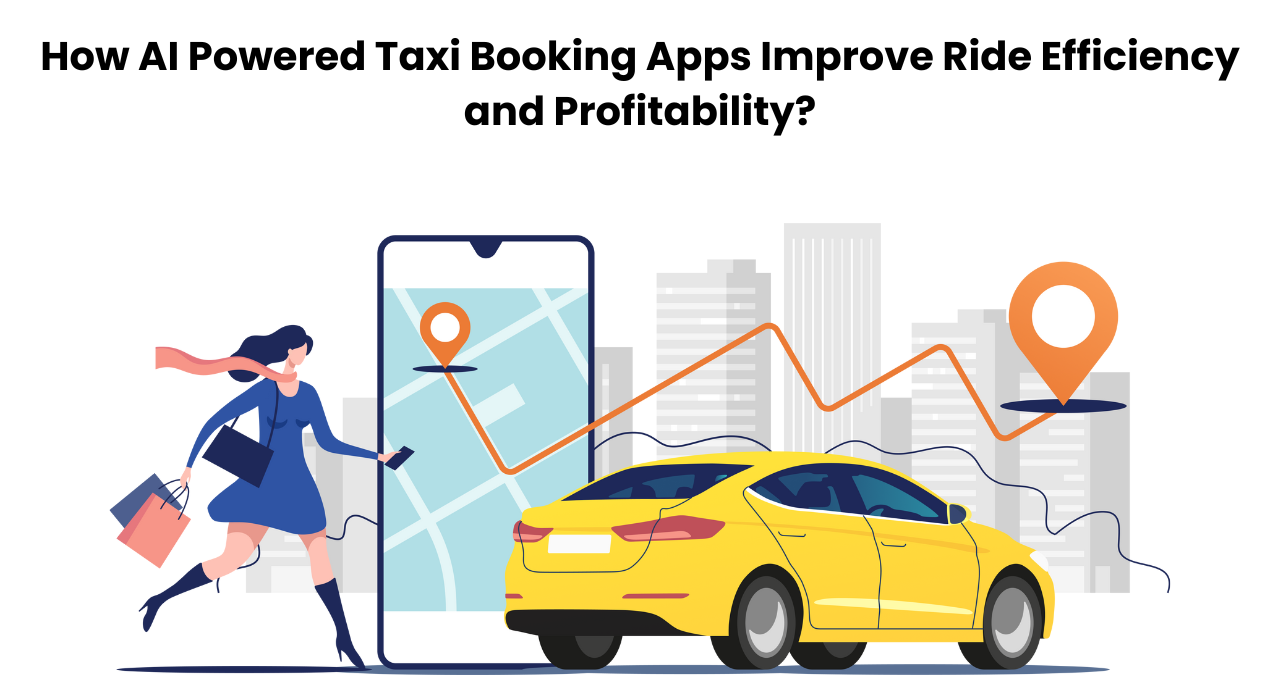
The taxi and ride-hailing industry has changed faster in the last few years than it did in decades before. Customers now expect instant bookings, accurate arrival times, smooth payments, and safe rides every time they open an app. At the same time, business owners are under pressure to reduce operational costs, manage drivers efficiently, and stay profitable in a highly competitive market. This is exactly where an AI Powered Taxi Booking App is proving its real value.
Artificial Intelligence is not just a trend in ride-hailing. It has become a practical tool that directly impacts how efficiently rides are completed and how profitable a platform can be. By using smart automation, data analysis, and real-time decision-making, AI helps taxi businesses operate smarter rather than harder. In this blog, we will explore in detail how AI-powered taxi apps improve ride efficiency and profitability, and why AI is becoming essential for modern ride-hailing platforms.
Understanding Ride Efficiency and Profitability in Taxi Apps
Ride efficiency and profitability are closely connected. When rides are completed faster, with fewer cancellations and less idle time, customers are happier and drivers earn more. At the same time, the platform reduces waste, improves resource utilization, and increases revenue.
In a traditional taxi app clone, many decisions are rule-based. The nearest driver gets the request, routes follow standard maps, and pricing follows basic logic. This approach works to a point, but it cannot adapt quickly to traffic changes, demand spikes, or user behavior. AI changes this by making the system dynamic and intelligent.
An AI Powered Taxi Booking App continuously learns from data. It understands patterns, predicts outcomes, and adjusts actions in real time. This leads to better ride allocation, smarter routes, balanced pricing, and overall operational efficiency.
The Role of AI in Modern Taxi Booking Platforms
AI acts as the brain of a modern ride-hailing system. It processes large volumes of data generated every second by users, drivers, GPS devices, and external services.
Instead of reacting after a problem occurs, AI predicts issues before they happen. For example, it can identify areas where demand will rise, routes that may become congested, or drivers who are likely to cancel rides. This proactive approach is what makes AI-driven platforms more efficient and profitable.
When combined with a well-built uber script, AI enhances both front-end user experience and back-end operations.
Smarter Ride Matching Improves Efficiency
Ride matching is one of the most critical processes in any taxi app clone. Poor matching leads to longer wait times, driver dissatisfaction, and frequent ride cancellations.
Intelligent Driver Selection
AI does not simply choose the closest driver. It considers multiple factors such as traffic conditions, driver availability, acceptance rate, ride history, and estimated pickup time. This ensures that the selected driver is the best option, not just the nearest one.
Reduced Waiting Time for Riders
By choosing drivers who can realistically reach the rider quickly, AI reduces waiting time. Faster pickups directly improve customer satisfaction and increase the likelihood of repeat bookings.
Lower Cancellation Rates
AI predicts the probability of a driver canceling a ride based on past behavior and current conditions. This helps assign rides to more reliable drivers, reducing cancellations and wasted time.
Route Optimization Saves Time and Fuel
One of the biggest contributors to inefficiency in ride-hailing is poor routing. Static maps cannot handle real-time traffic changes effectively.
Real-Time Traffic Analysis
An AI Powered Taxi Booking App continuously monitors traffic data, road conditions, and historical patterns. It adjusts routes dynamically to avoid congestion and delays.
Shorter Trip Durations
Optimized routes help drivers complete trips faster. This allows them to accept more rides in a day, increasing overall platform efficiency.
Reduced Fuel Consumption
Shorter and smoother routes mean less fuel usage. This benefits drivers directly and supports long-term sustainability.
Demand Prediction and Better Driver Utilization
Idle drivers are a major source of inefficiency and lost revenue. AI helps solve this problem through demand prediction.
Forecasting High-Demand Areas
AI analyzes past booking data, time of day, weather, and local events to predict where ride demand will increase. This information helps position drivers strategically.
Balanced Supply and Demand
When drivers are available where demand is highest, customers get rides faster and drivers spend less time waiting. This balance improves both efficiency and earnings.
Improved Driver Retention
Drivers who earn consistently are more likely to stay on the platform. AI-driven demand management helps reduce frustration and churn.
Dynamic Pricing Supports Profitability
Pricing plays a major role in both user behavior and platform revenue.
Smart Fare Adjustments
AI adjusts pricing based on demand, supply, location, and external factors. This ensures that rides remain available during peak times while still being acceptable to users.
Preventing Revenue Loss
By responding quickly to demand changes, AI prevents missed opportunities where rides could have been priced more effectively.
Fair and Transparent Pricing
AI ensures pricing decisions are data-driven and consistent. This reduces disputes and builds user trust.
Reduced Operational Costs Through Automation
Manual operations increase costs and slow down decision-making. AI reduces this burden significantly.
Automated Customer Support
AI chatbots handle common queries such as ride status, cancellations, and refunds. This reduces the need for large support teams.
Smart Issue Detection
AI identifies operational issues early, such as payment failures or system slowdowns. Early intervention prevents larger problems and reduces downtime.
Efficient Resource Management
AI helps optimize server usage, notifications, and data processing. This keeps infrastructure costs under control as the platform scales.
Read more: Launch Your Own Ride-Hailing App Like Uber
Improved Driver Performance and Productivity
Drivers are a key factor in ride efficiency. AI helps drivers work smarter, not longer.
Intelligent Ride Allocation
AI distributes rides fairly while prioritizing efficiency. Drivers receive requests that align with their location and availability.
Navigation Assistance
AI-powered navigation suggests faster routes and adapts to traffic in real time. Drivers complete more rides with less stress.
Performance Insights
AI analyzes driver behavior and provides feedback on ratings, acceptance rates, and driving patterns. This helps drivers improve performance and earnings.
Enhanced Customer Experience Increases Repeat Business
Profitability is not only about reducing costs. It is also about increasing customer lifetime value.
Faster and Smoother Bookings
AI simplifies the booking process with smart location suggestions and quick driver matching. Customers get what they need with minimal effort.
Accurate ETAs and Transparency
Reliable arrival times and real-time updates reduce frustration and build trust. Happy customers are more likely to use the app again.
Personalized Experiences
AI remembers user preferences such as favorite destinations and payment methods. Personalization increases engagement and loyalty.
Fraud Detection Protects Revenue
Fraud is a hidden but significant cost in ride-hailing platforms.
Identifying Fake Bookings
AI detects unusual booking patterns and prevents fake rides that waste driver time.
Payment Fraud Prevention
AI monitors transactions and flags suspicious activity before it causes financial loss.
Safer Platform for Everyone
By maintaining a secure environment, AI protects both customers and drivers, strengthening the platform’s reputation.
Data-Driven Decision Making for Business Growth
AI transforms raw data into valuable insights.
Real-Time Analytics
Business owners can monitor performance, peak hours, and user behavior through AI-powered dashboards.
Smarter Marketing Strategies
AI identifies which promotions work best and which user segments respond more positively within an Uber script, helping businesses significantly improve marketing ROI.
Strategic Expansion Planning
AI helps decide when and where to expand by analyzing demand patterns and operational capacity.
Scalability Without Losing Efficiency
As a taxi platform grows, maintaining efficiency becomes challenging.
Handling Growth Smoothly
AI automates processes that would otherwise become bottlenecks. This allows the platform to scale without sacrificing performance.
Consistent Service Quality
Even as user numbers increase, AI helps maintain consistent ride quality and response times.
Long-Term Profitability
By reducing inefficiencies and optimizing resources, AI supports sustainable growth.
Challenges in Implementing AI for Taxi Apps
Despite its benefits, AI implementation comes with challenges.
Data Quality and Management
AI depends on accurate data. Poor data quality can lead to wrong decisions that affect efficiency.
Technical Complexity
Building and maintaining AI systems requires expertise in machine learning, cloud infrastructure, and system integration.
Privacy and Security
User data must be protected through strong security practices to maintain trust and compliance.
Working with experienced professionals helps overcome these challenges.
Conclusion
An AI Powered Taxi Booking App is no longer just an advanced option for ride-hailing businesses. It has become a necessity for improving ride efficiency and achieving long-term profitability. By optimizing ride matching, routes, pricing, driver utilization, and customer experience, AI helps platforms reduce waste and maximize value at every stage of the operation. It allows taxi businesses to operate intelligently, scale smoothly, and compete effectively in crowded markets. To unlock the full potential of AI-driven mobility solutions, partnering with a reliable on demand app development company ensures that technology, strategy, and execution work together to drive sustainable success.
FAQs
What is an AI Powered Taxi Booking App? An AI Powered Taxi Booking App is a ride-hailing platform that uses artificial intelligence to automate decisions, improve efficiency, and enhance user experience.
How does AI improve ride efficiency in taxi apps? AI improves efficiency by optimizing ride matching, routes, demand prediction, and driver utilization in real time.
Can AI really increase profitability for taxi businesses? Yes, AI reduces operational costs, prevents revenue loss, improves pricing strategies, and increases customer retention, all of which boost profitability.
Is AI useful for small or growing taxi platforms? AI benefits businesses of all sizes by automating operations and improving service quality without requiring large teams.
Can AI features be added to an existing taxi app clone? Yes, many AI capabilities can be integrated into an existing taxi app clone if the system architecture supports scalability and data processing.