
Heavy Equipment Rental: A Practical Solution For Short-Term Projects
Construction and industrial projects often demand powerful machines capable of handling intense workloads
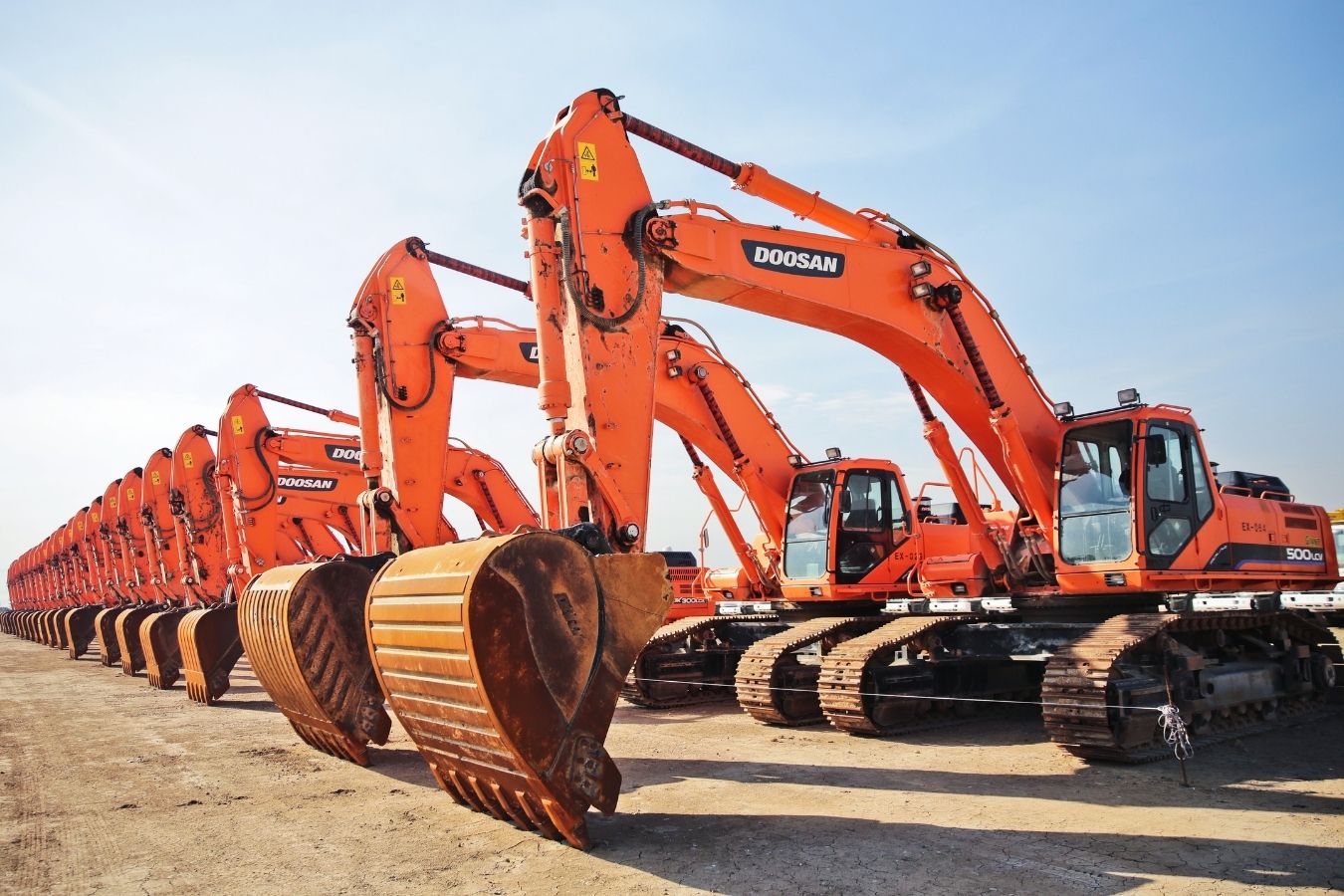
Construction and industrial projects often demand powerful machines capable of handling intense workloads. These devices, which range from cranes and bulldozers to excavators and loaders, are necessary for carrying out jobs effectively and safely. However, purchasing heavy equipment outright is not always a practical choice, especially for short-term projects. This is where heavy equipment rental emerges as an efficient, cost-effective, and flexible solution that caters to the specific needs of businesses without the long-term financial commitment of ownership.
The Value Of Equipment Rental
Businesses can access a variety of machinery through heavy equipment leasing without having to worry about ownership. For construction firms, landscaping contractors, or infrastructure developers, the flexibility to rent equipment as needed can make a significant difference in project efficiency. Renting allows businesses to match the right equipment to each project phase, ensuring that machinery is neither underutilized nor left idle once a job is completed.
Many rental providers offer advanced, well-maintained machines equipped with modern features and technology. This gives companies access to the latest models without worrying about depreciation, storage, or ongoing maintenance costs. As projects vary in scope and duration, the ability to rent equipment for specific periods is invaluable in optimizing operational costs and meeting project deadlines.
Cost Efficiency For Short-Term Projects
One of the best justifications for firms to rent heavy equipment is the cost advantage. Short-term projects rarely justify the high upfront investment required to purchase heavy machinery. Buying a bulldozer, crane, or excavator involves not only the purchase cost but also expenses related to insurance, maintenance, storage, and transportation. For projects lasting a few weeks or months, these costs can significantly reduce profit margins.
Renting eliminates these burdens. Businesses can invest in personnel, materials, or technology rather than capital-intensive, depreciating assets. Additionally, rental fees are predictable and can be included easily in project budgets, allowing for better financial planning. For small and mid-sized contractors, this flexibility enables them to take on diverse projects without overextending their finances.
Access To Modern And Well-Maintained Equipment
Heavy equipment rental companies maintain fleets of machines that undergo regular inspection and servicing to ensure safety and performance. As a result, tenants may enjoy dependable equipment without worrying about expensive repairs or malfunctions. When maintenance is required, rental providers usually handle it quickly, reducing downtime and helping projects stay on track.
Another advantage is access to modern technology. Newer equipment models often come with advanced fuel efficiency, GPS tracking, and improved operator comfort. Renting allows companies to utilize these innovations without the expense of upgrading their owned fleet. This not only boosts productivity but also ensures compliance with evolving environmental and safety standards.
Flexibility And Scalability For Dynamic Needs
Every construction project is unique, and requirements can change unexpectedly. Renting heavy equipment gives you the freedom to quickly adjust. If a project’s scope expands or deadlines are shortened, additional machines can be rented to meet the demand. Conversely, once a task is complete, the equipment can be returned, avoiding unnecessary storage or idle time.
This scalability is especially valuable for companies handling multiple projects simultaneously. Instead of owning a large fleet, they can rent specific equipment for each job, optimizing costs and logistics. It also simplifies project management by allowing contractors to access specialized equipment for unique tasks without long-term commitments.
Reducing Administrative And Maintenance Burden
Ownership of heavy machinery comes with various administrative responsibilities, including licensing, insurance, servicing, and recordkeeping. These tasks require time, money, and dedicated staff. Renting transfers much of this responsibility to the rental provider. The company ensures the equipment meets safety regulations and performance standards, allowing contractors to focus on core project activities instead of machinery upkeep.
Furthermore, rental companies often provide on-site support, technical assistance, and operator training when needed. This ensures that machines are used efficiently and safely, minimizing the risk of accidents or costly misuse.
Environmental And Operational Benefits
Heavy equipment rental also aligns with sustainable business practices. Renting promotes equipment sharing, which reduces the total number of machines produced and helps minimize environmental impact. Rental providers often maintain newer, fuel-efficient equipment that meets emission standards, helping companies reduce their carbon footprint.
Operationally, the use of efficient, well-maintained machines leads to less downtime, reduced fuel consumption, and smoother workflows. This combination of environmental and operational efficiency supports both profitability and corporate responsibility.
Making The Right Choice
Choosing a reputable heavy equipment rental provider is essential. Factors such as equipment variety, availability, condition, and customer service play a major role in ensuring successful project outcomes. Contractors should evaluate rental terms carefully, understand maintenance policies, and ensure that the rental partner offers reliable technical support. A strong rental partner acts not only as a supplier but also as an extension of the project team, helping ensure tasks are completed safely, on time, and within budget.
Final Thoughts
Heavy equipment rental has become a cornerstone of modern construction and industrial operations, particularly for short-term and specialized projects. It provides businesses with access to high-quality machinery without the financial strain of ownership, while offering flexibility, convenience, and peace of mind. The need for leasing solutions is anticipated to increase even more as companies continue to change and place a higher priority on efficiency.