Gastrointestinal Cancer: Types, Symptoms, Global Burden, and Treatment Approaches
Explore gastrointestinal cancer in depth, including early symptoms, common forms, everywhere burden, survival rates, risk factors, treatment choices, and the most recent research from renowned oncologist Dr. Sharat Chandra.
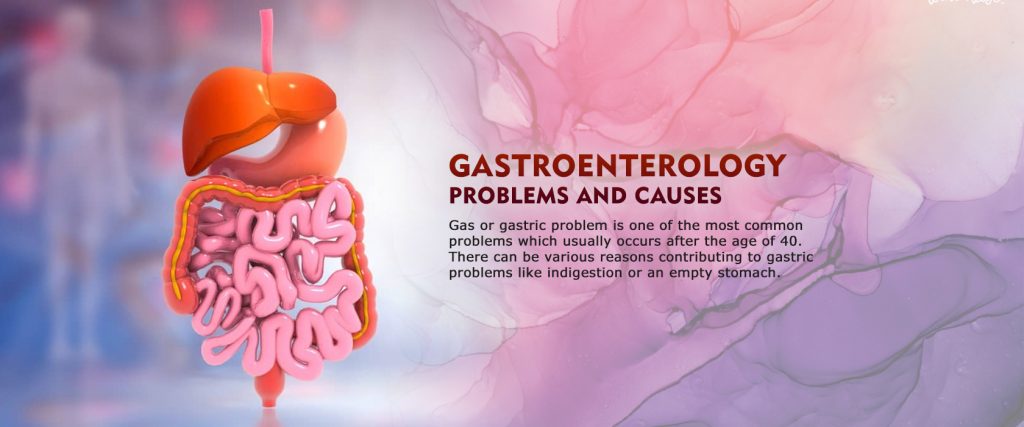
Digestive troubles after 40? Gas, bloating, or indigestion might be more common than you think. Learn the major causes and ways to keep your gut healthy!
Dr. Sharat Chandra, an experienced oncologist in Hyderabad’s Banjara Hills, has a good reputation for his patient-centered approach to identifying and treating tumors, particularly gastrointestinal (GI) malignancies.
He specializes in sophisticated treatment techniques and complete oncology services, treating tumors such as breast, lung, blood, and gastrointestinal cancer. Early identification and treatment are critical to increasing survival rates and quality of life.
Dr. Chandra specializes in tailored care plans for breast, lung, gastrointestinal, and blood cancers, giving a holistic approach to cancer diagnosis and treatment.
“Early detection saves lives. Regular screenings and awareness of symptoms are key to beating GI cancers.” – Dr. Sharat Chandra

Understanding Gastrointestinal (GI) Cancer
GI cancer is the unrestrained growth of abnormal cells in the digestive tract. These malignant cells can create tumors that can grow locally or spread (metastasize) throughout the body.
What is the most common gastrointestinal (GI) cancer?
Colorectal cancer is the most often diagnosed gastrointestinal cancer worldwide, particularly in developed nations. In the United States, colorectal cancer is the third most frequent cancer in both men and women, excluding skin cancers.
Stomach cancer is common worldwide, particularly in East Asia, while liver and pancreatic tumors are on the rise.
Why is Gastrointestinal Cancer (GI) a Global Risk?
- High Incidence: Millions of people are afflicted globally.
- Low Survival Rates: Because of late discovery, some forms, such as pancreatic cancer, have a dismal prognosis.
- Lifestyle factors such as poor diet, smoking, alcohol consumption, and obesity all raise the risk.
Common Types of Gastrointestinal Cancers
Here are the five most common types of GI cancers:

| Type of Cancer | Primary Location | Early Symptoms | Primary Treatments |
|---|---|---|---|
| Esophageal Cancer | Esophagus | Difficulty swallowing, chest pain, weight loss. | Difficulty swallowing, chest pain, and weight loss. |
| Stomach (Gastric) Cancer | Stomach lining | Heartburn, nausea, fatigue, weight loss | Surgery, Radiation, Chemotherapy |
| Colorectal Cancer | Colon or Rectum | Difficulty swallowing, chest pain, and weight loss. | Blood in stool, bowel habit changes, and anemia |
| Liver Cancer | Liver | Jaundice, pain, loss of appetite, fatigue | Surgery, Ablation, Radiation |
| Pancreatic Cancer | Pancreas | Jaundice, back pain, digestive issues | Blood in stool, bowel habit changes, and anemia |
Detailed Explanation of Common GI (Gastrointestinal) Cancers
1. Esophageal Cancer
- The main symptoms are weight loss, chest pain, persistent coughing, and difficulty swallowing.
- Risk factors include obesity, GERD, alcohol use, and smoking.
- Treatment options include radiation, chemotherapy, endoscopic procedures, and surgery.
“Esophageal cancer often progresses silently. Regular check-ups are vital if you have risk factors.” – Dr. Sharat Chandra

2. Stomach (Gastric) Cancer
- Symptoms include heartburn, exhaustion, nausea, severe stomach discomfort, and inexplicable weight loss.
- Causes include a poor diet, alcohol use, smoking, obesity, and family history.
- Treatment: Medication, radiation, chemotherapy, and surgery.
Pro Tip: To reduce risk, eat less processed and salty meals.
3. Colorectal Cancer
- This kind frequently begins as benign polyps that eventually turn into cancer.
- Early warning signs include flatulence, diarrhea, blood in the stool, and unexplained anemia.
- Age, family history, a sedentary lifestyle, and a diet heavy in red meat are important risk factors.
- Options for treatment include radiation, chemotherapy, surgery, and targeted therapy.
4. Liver Cancer
If liver cancer is found too late, the chances of survival are minimal.
- Symptoms include jaundice, upper stomach discomfort, lack of appetite, and weight loss.
- Risk factors include hepatitis B/C, heavy alcohol consumption, obesity, and liver illness.
- Treatment options include surgery, ablation treatment, radiation, and chemotherapy.
“Vaccination against Hepatitis B can significantly reduce liver cancer risk.” –Dr. Sharat Chandra
5. Pancreatic Cancer
One of the deadliest tumors, generally found in its later stages.
- Early symptoms include jaundice, stomach discomfort, nausea, and back pain.
- Risk factors include smoking, diabetes, genetics, and obesity.
- Treatment options include surgery, chemotherapy, radiation, and supportive care.

Rare Gastrointestinal Cancers
While the above cancers are most common, there are less common but critical gastrointestinal (GI) cancers:
- Appendix Cancer—A rare cancer affecting the appendix.
- Bile Duct Cancer—Also known as cholangiocarcinoma.
- Gallbladder Cancer – Often adenocarcinomas affecting gland cells.
- Small Intestine Cancer – Rarely develops in the duodenum.
- Carcinoid Tumors – Neuroendocrine tumors affecting digestion.
These cancers require highly specialized diagnostic techniques and personalized treatment plans, which Dr. Sharat Chandra offers at his Hyderabad clinic.
Types of Gastrointestinal Cancer / GI Cancer
Gastrointestinal cancers occur in the digestive tract’s primary organs and can be divided into three categories as follows:
| GI Cancer Type | Common Location | Prevalence |
|---|---|---|
| Esophageal Cancer | Esophagus | High in Asia |
| Stomach (Gastric) | Stomach lining | Worldwide |
| Colorectal Cancer | Colon, Rectum | Global, 3rd rank US |
| Liver Cancer | Liver cells, metastasis | Asia, West |
| Pancreatic Cancer | Pancreas | Severe worldwide |
| Others: GIST, NETs | Stomach, small bowels | Rare, rising |
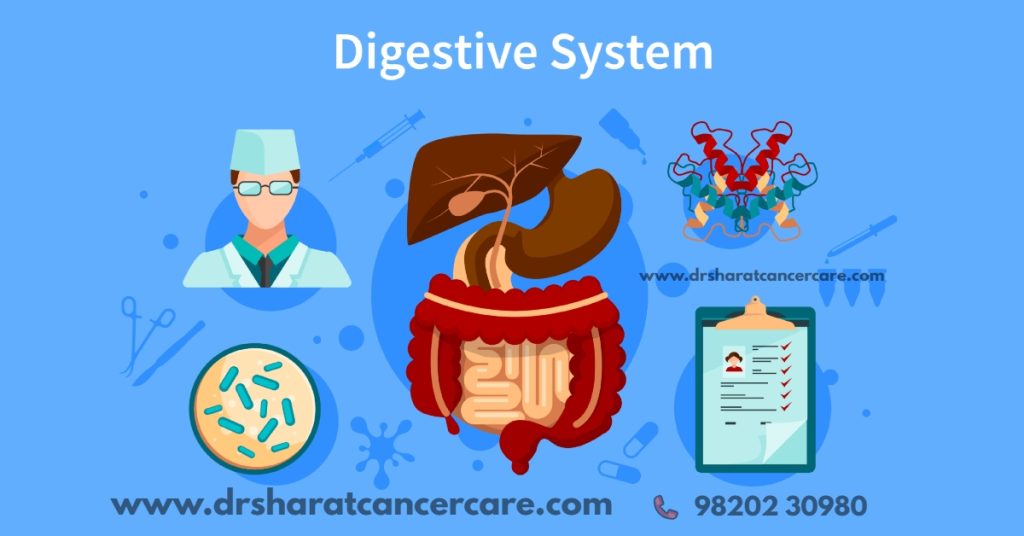
Importance of Early Detection
Early detection greatly improves survival rates and provides a better chance for successful treatment.
Tips for Prevention & Early Diagnosis:
- Regular screenings after age 40.
- Maintain a balanced diet rich in fruits, vegetables, and fiber.
- Avoid smoking and limit alcohol consumption.
- Exercise regularly and manage body weight.
“Prevention is always better than cure. Simple lifestyle changes can reduce your cancer risk significantly.” – Dr. Sharat Chandra
GI cancers may be asymptomatic at first. Possible early symptoms include:
- Difficulty swallowing
- Abdominal pain or discomfort
- Blood in stools or vomit
- Changes in bowel habits
- Jaundice (yellowing of skin/eyes)
- Unintended weight loss
- Persistent fatigue or weakness
Risk factors combine genetic, lifestyle, and environmental components, such as:
- Family history
- High intake of processed meats
- Smoking, alcohol
- Chronic GI disorders (GERD, Crohn’s, hepatitis)
- Infections (H. pylori, hepatitis viruses)
Treatment Approaches at CancerCare
Dr. Sharat Chandra offers cutting-edge oncology care, including:
- Surgical Oncology: For tumor removal.
- Chemotherapy: To kill or slow cancer cells.
- Radiation Therapy: To target specific cancer regions.
- Immunotherapy: Boosting the body’s natural defenses.
- Targeted Therapy: Advanced, precise treatment options.
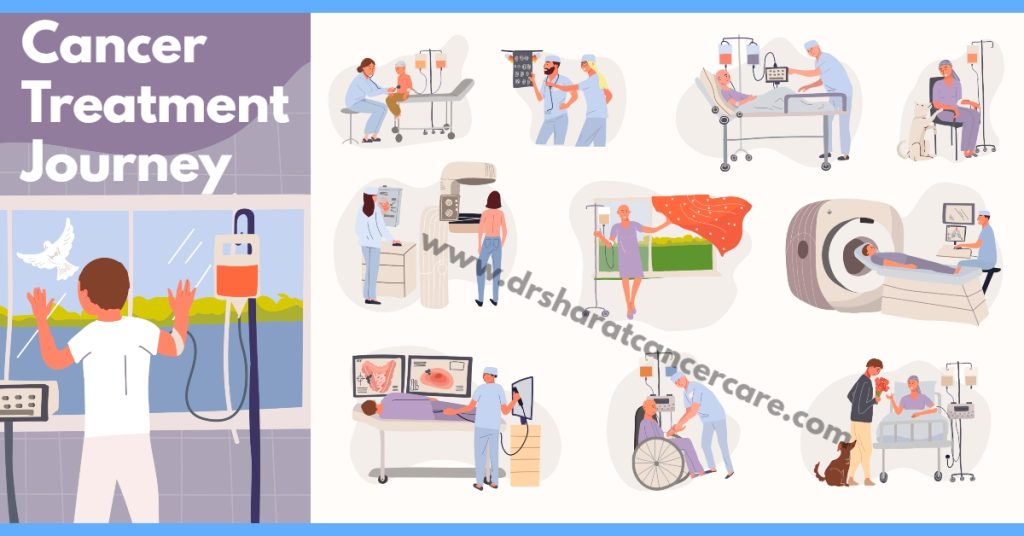
Latest Advances: Journal Research
The Journal of Gastrointestinal Oncology and leading GI cancer journals highlight:
- Novel chemotherapeutic agents
- Genetic and molecular classification of cancers
- Outcomes of minimally invasive (laparoscopic) techniques
- Advances in immunotherapy and targeted treatments
“Continuous research and clinical trials are improving the landscape of GI cancer care, offering hope for better survival rates.”
Gastrointestinal Cancer Survival Rates
| Cancer Type | 5-Year Survival Rate (Approx.) |
|---|---|
| Colorectal Cancer | 65% – 70% |
| Stomach Cancer | 30% – 40% |
| Liver Cancer | 18% – 20% |
| Esophageal Cancer | 15% – 20% |
| Pancreatic Cancer | 10% – 12% |
Survival rates vary depending on stage at diagnosis and treatment response.
When to See Dr. Sharat Chandra
Seek immediate consultation if you experience:

- Persistent abdominal pain or bloating.
- Difficulty swallowing or unexplained weight loss.
- Blood in stool or dark-colored stools.
- Sudden, severe fatigue.
 Location: Banjara Hills, Hyderabad
 Contact: +91 7997711101
 Website: drsharatcancercare.com
Conclusion
Dr. Sharat Chandra’s CancerCare clinic is committed to delivering world-class cancer treatment with a patient-first philosophy. From early diagnosis to advanced treatment plans, his expertise ensures every patient receives comprehensive, compassionate care.
“Your health is your wealth. Take action today for a cancer-free tomorrow.” –Dr. Sharat Chandra