
From Faded to Fabulous: AI Techniques for Restoring Old Photos
From Faded to Fabulous: AI Techniques for Restoring Old Photos
Old photographs are like time machines. They capture moments that we can never relive, freeze fleeting smiles, and preserve pieces of history. Yet, as the years pass, these treasured images often fall victim to fading, scratches, tears, and discoloration. The photographs that once brought joy and nostalgia can start to feel like fragments of the past rather than vivid memories. Thankfully, modern technology, particularly artificial intelligence (AI), is revolutionizing the way we preserve and restore these priceless memories. With AI, old, worn-out photos can go from faded to fabulous in ways that were once unimaginable- visit site
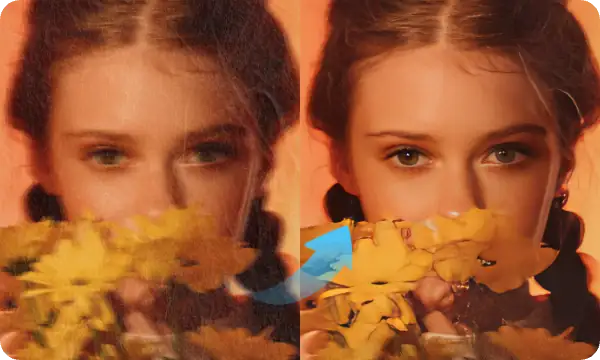
The Emotional Value of Old Photographs
Photographs are more than pictures—they are emotional anchors. A family portrait, a snapshot of a childhood birthday, or a black-and-white wedding photo carries stories, emotions, and connections that transcend time. When these photos degrade, it feels like pieces of history and memory are slipping away. Restoring them isn’t just about making them visually appealing; it’s about reclaiming the emotions, stories, and human connections they hold. AI makes it possible to breathe new life into these images, preserving their essence while enhancing their clarity and beauty.
Understanding How AI Works in Photo Restoration
AI in photo restoration relies on machine learning and deep neural networks to analyze, repair, and enhance images. Unlike traditional photo editing, which requires manual adjustments and artistic skill, AI learns patterns from thousands—or even millions—of images. It can detect faces, textures, shadows, and colors, then predict what missing or damaged parts of a photo should look like.
The process usually begins with a high-quality scan of the old photograph. The AI then analyzes the image, identifying flaws such as scratches, fading, discoloration, and missing elements. Using complex algorithms, it reconstructs these areas to create a seamless and natural-looking restoration. The results are often so realistic that it can be difficult to tell the restored photo from a freshly taken image.
Reintroducing Color to Black-and-White Photos
One of the most remarkable aspects of AI photo restoration is its ability to add color to black-and-white images. Many historical photos exist only in monochrome, leaving us to imagine the hues of clothing, furniture, and landscapes. AI algorithms can predict colors based on contextual cues and historical references. A 1920s dress, a vintage car, or a retro interior can be colorized in ways that feel authentic and historically accurate. The transformation adds vibrancy and realism, making the past feel alive and immediate.
Repairing Physical Damage Digitally
Physical damage is a common issue with older photographs. Tears, scratches, and water stains can obscure important details. AI excels in reconstructing these damaged areas. By analyzing patterns in the surrounding pixels, AI can intelligently fill in missing sections, restore continuity, and even reconstruct facial features or background details. The result is a digital version of the photo that is whole and visually coherent, while the original physical photo remains preserved.
Enhancing Image Resolution and Clarity
Many old photos, especially those taken with early cameras or printed on low-quality paper, lack fine details. AI can increase resolution without creating artifacts, a process called super-resolution. By analyzing the image’s structure, the AI can sharpen edges, clarify textures, and bring out previously hidden details. Whether it’s a group portrait or a scenic landscape, the enhanced resolution ensures that every detail—from the expressions on faces to the patterns in the background—is visible and crisp.
Preserving Family History Through Technology
Restoring old photographs is about more than aesthetics; it’s about safeguarding family history. Boxes of faded photos stored in attics or drawers are often the only record of past generations. AI restoration allows families to reconnect with ancestors and relive moments that might otherwise be forgotten. For genealogists and historians, it provides a powerful tool to preserve cultural and personal history, making old photos accessible and meaningful for future generations.
Balancing Restoration and Authenticity
While AI can dramatically enhance photos, it’s important to use it responsibly. Restoration should enhance and repair, not alter the original essence of the image. Colorization, for example, introduces interpretation—AI may predict colors based on historical data, but exact accuracy is not guaranteed. Preserving authenticity ensures that restored photos remain true to their historical or personal context. Users should approach restoration with an eye for detail and a respect for the original photograph.
AI Tools and Platforms for Photo Restoration
Today, there are numerous AI-powered platforms for photo restoration. Some specialize in colorization, while others focus on damage repair, super-resolution, or facial reconstruction. Many platforms are designed to be user-friendly, allowing anyone—from beginners to experts—to restore photos with minimal effort. Users simply upload a photo, let the AI analyze it, and then review the restoration results. Most platforms also offer manual adjustments, giving users control over the final outcome.
Reviving Historical Archives
The impact of AI restoration extends beyond personal use. Museums, libraries, and historical archives often possess old photographs that have deteriorated over time. AI can restore these images, making them suitable for research, exhibitions, and digital preservation. This allows the public to experience history in a vivid, engaging way, connecting with moments that were once obscure or damaged.
Overcoming Limitations of Old Photography
Old cameras and early film technology often produced photos with limitations such as graininess, low resolution, or poor lighting. AI can correct these issues by reducing noise, enhancing sharpness, and balancing exposure. The process reveals details that may have been hidden or overlooked, offering a fresh perspective on historical or personal images. This not only improves visual quality but also makes photographs more useful for study, storytelling, and emotional connection.
The Future of AI in Photo Restoration
The potential of AI in photo restoration is only growing. Future developments may include predictive reconstruction of partially damaged faces, improved colorization based on historical context, and restoration of entire scenes from fragmentary images. As AI algorithms become more sophisticated, the boundary between restoration and reimagining will blur, enabling us to experience the past in unprecedented ways. The technology promises a future where no memory is lost, and every photograph, no matter how damaged, can shine once again.
Getting Started with AI Photo Restoration
Restoring old photos with AI is simple, even for beginners. Start by selecting the photos you want to restore and scanning them at a high resolution. Choose a platform or tool that meets your needs—whether you want colorization, damage repair, or super-resolution. Upload your photo, let the AI process it, and then review the results. Most platforms allow fine-tuning, so you can adjust details like color balance, sharpness, and brightness to achieve the most authentic restoration. Once satisfied, download, print, or share the restored photo with family and friends.
Tips for Achieving Optimal Results
- Scan photos carefully: Use a high-resolution scanner to capture maximum detail.
- Preserve the originals: Always work with digital copies to keep physical photos safe.
- Choose the right platform: Different AI tools specialize in different aspects of restoration. Experiment to find the best fit.
- Balance enhancement with authenticity: Avoid over-editing to ensure the photo remains true to its original appearance.
Emotional Rewards of Restored Photos
Restoring old photographs is deeply rewarding. Seeing a faded family portrait brought back to life evokes strong emotions, from joy to nostalgia. AI allows us to relive moments with clarity and authenticity, preserving memories that might otherwise fade away. It’s a process that reconnects us with our past, strengthens our sense of identity, and allows future generations to experience family history as vividly as we do.
FAQ About AI Photo Restoration
Can AI restore severely damaged photos? Yes. AI can repair tears, scratches, stains, and missing sections by analyzing surrounding pixels and reconstructing details intelligently.
Is AI colorization historically accurate? AI predictions are based on contextual information and historical data. While generally realistic, exact accuracy is not guaranteed, so results should be viewed as an interpretation.
Do I need technical skills to restore photos using AI? No. Many AI restoration platforms are designed for beginners, requiring only basic digital literacy. Manual adjustments are optional for advanced users.
Will AI restoration damage my original photo? No. The process works on digital copies, leaving the original photograph untouched.
Can AI restoration be used for historical research? Yes, but with caution. AI can enhance clarity and readability, but slight alterations may occur. Researchers should differentiate between original and AI-enhanced versions.
Conclusion
“From Faded to Fabulous: A restore old photos” demonstrates the transformative power of artificial intelligence. By repairing damage, enhancing clarity, and reintroducing color, AI allows us to preserve memories and connect with our past in vivid detail. It is a bridge between generations, a tool for historians, and a way for families to reclaim their stories. With AI, no photograph is too damaged to restore, no memory too faded to relive. As this technology continues to evolve, the line between the past and the present will blur, making every old photograph a window into a vibrant, timeless world.