
From Basics to Pro: Choosing the Perfect Cistern Water Tank
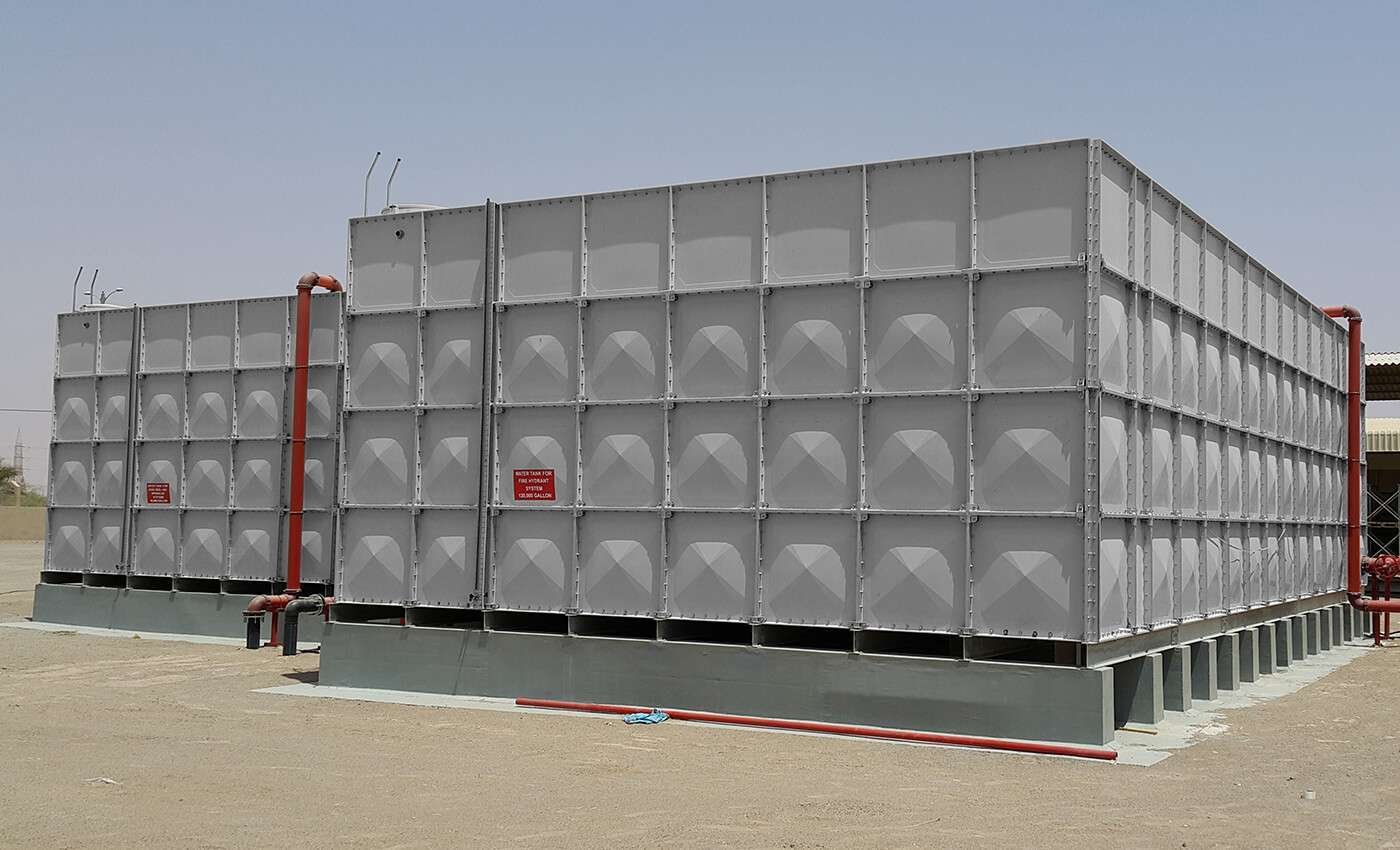
In industries and businesses where water is a critical resource, selecting the right cistern water tank is essential for operational efficiency and sustainability. Whether you're managing a factory, office building, or large-scale industrial site, understanding the nuances of cistern water tanks can save costs, improve water usage, and ensure long-term reliability.
In this comprehensive guide, we’ll explore the essentials of choosing a cistern water tank, why cistern water tanks are a smart solution, and how to maintain them for optimal performance.
Understanding Cistern Water Tanks
A cistern water tank is a storage unit specifically designed to collect and store water, often for non-potable uses like irrigation, flushing, or cooling. They can also serve as a backup during water supply interruptions. These tanks are available in various materials such as fiberglass-reinforced plastic (FRP), concrete, or polyethylene. Each material offers distinct advantages based on the intended use.
Benefits of Cistern Water Tanks for Businesses
- Water Conservation: They enable businesses to reuse rainwater or greywater, reducing dependency on municipal supplies.
- Cost Efficiency: By using collected water, industries can lower utility bills.
- Customizability: Tanks are available in different sizes and shapes, making them adaptable to various spatial and operational needs.
Factors to Consider When Choosing a Cistern Water Tank
1. Capacity Needs
The size of the cistern water tank depends on your water usage patterns. For example, a manufacturing plant might need a high-capacity tank to meet production demands, whereas a small business may opt for a compact model. Calculate your daily water requirements to determine the right capacity.
2. Material Selection
- Fiberglass-Reinforced Plastic (FRP): Lightweight, durable, and resistant to corrosion, FRP is ideal for chemical industries.
- Polyethylene: Cost-effective and suitable for businesses needing flexibility in installation.
- Concrete: Best for underground applications with high load-bearing requirements.
3. Installation Type
- Above-Ground Tanks: Easier to install and maintain, ideal for businesses with ample outdoor space.
- Underground Tanks: Space-saving and aesthetically pleasing, suitable for urban settings or large-scale industries.
4. Compliance and Regulations
Ensure the tank meets local water storage regulations and standards for industrial use. Compliance prevents legal issues and ensures safe operations.
Why Cistern Water Tanks Are a Smart Solution
For businesses and industries aiming to align with sustainability goals, cistern water tanks are a smart solution. They help optimize water management, reduce wastage, and support eco-friendly practices. Here's why they're indispensable:
- Rainwater Harvesting: Capture and store rainwater for non-potable applications, reducing reliance on municipal water.
- Emergency Preparedness: Provide a reliable backup in case of water supply disruptions.
- Environmental Impact: Lower carbon footprint by minimizing the energy used in transporting municipal water supplies.
Real-world examples demonstrate the effectiveness of cistern water tanks. For instance, many commercial buildings now integrate cistern systems to irrigate landscapes, achieving significant water savings annually.
Advanced Features to Look For
Modern cistern water tanks come equipped with features that enhance functionality and usability:
- Smart Monitoring Systems Advanced tanks offer digital monitoring for water levels, temperature, and usage trends, ensuring efficient water management.
- Filtration Mechanisms Built-in filters prevent debris from contaminating stored water, especially important in industries requiring clean process water.
- Overflow Control Automatic overflow systems protect against spillage and water wastage.
- Insulation Insulated tanks are crucial for businesses in areas with extreme temperature variations to maintain water quality.
Installation and Maintenance Tips
Installation Best Practices
- Hire professional installers to ensure proper setup and adherence to safety standards.
- Conduct soil testing for underground installations to prevent subsidence or tank damage.
- Verify connections to ensure seamless integration with existing plumbing systems.
Maintenance Tips for Cistern Water Tanks
Proper maintenance prolongs the life of your cistern water tank and ensures efficiency:
- Regular Cleaning: Schedule periodic cleaning to prevent algae growth and sediment buildup.
- Inspect for Leaks: Check for cracks or leaks, especially in high-pressure systems.
- Monitor Filters: Replace or clean filters regularly to maintain water quality.
- Check Valves and Pumps: Ensure all components are functioning correctly to avoid operational downtime.
- Seasonal Maintenance: Prepare tanks for winter by draining excess water or adding insulation to prevent freezing.
Conclusion
Investing in the right cistern water tank is not just a matter of convenience but a strategic decision for businesses aiming to optimize water usage, cut costs, and achieve sustainability. By understanding your specific requirements, exploring advanced features, and adhering to best practices for maintenance, you can unlock the full potential of a cistern water tank.
Whether you're considering a first-time installation or upgrading an existing system, remember that cistern water tanks are a smart solution for modern businesses and industries. Make the right choice today to secure a more sustainable and efficient water management system tomorrow.
For any inquiries or professional guidance on selecting and maintaining cistern water tanks, feel free to reach out to experts in water storage solutions.