
Drum Cutters in Construction: Efficient Solutions for Hard Rock and Concrete
Drum cutters have emerged as a highly effective solution for these challenges. Mounted on excavators, drum cutters use rotating drums fitted with cutting tools to grind, mill, and excavate tough materials with exceptional control.
Modern construction projects highly demand precision, efficiency, and adaptability—especially when working with hard rock, reinforced concrete, or confined spaces. Drum cutters have emerged as a highly effective solution for these challenges. Mounted on excavators, drum cutters use rotating drums fitted with cutting tools to grind, mill, and excavate tough materials with exceptional control. Their growing popularity across civil engineering, tunneling, and demolition projects reflects their ability to deliver accurate results while minimizing disruption.
What Are Drum Cutters?
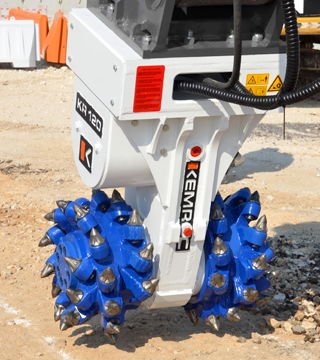
A drum cutter is an excavator attachment consisting of one or two rotating drums equipped with picks or cutting teeth. Powered hydraulically, the drums rotate in opposite directions, allowing the tool to cut through hard materials such as rock, concrete, asphalt, and frozen ground. Unlike impact-based tools, drum cutters work through continuous milling, which provides smoother operation and greater precision.
Efficiency in Hard Rock Excavation
Excavating hard rock traditionally requires drilling and blasting or heavy breakers—methods that can be time-consuming, noisy, and disruptive. Drum cutters offer a more controlled alternative. By gradually milling the rock surface, they reduce vibrations and eliminate the need for explosives in many situations. This makes them especially useful in urban environments, near existing structures, or in projects with strict vibration limits.
Drum cutters also allow operators to work selectively, removing only the required material. This precision reduces over-excavation and minimizes the volume of waste material, saving both time and disposal costs. In addition, the consistent cutting action produces uniform surfaces, which is ideal for foundation work, trenching, and slope profiling.
Effective Concrete Removal and Demolition
Concrete demolition is another area where drum cutters excel. Whether removing bridge decks, cutting reinforced concrete walls, or preparing surfaces for renovation, drum cutters provide clean and accurate results. Their milling action exposes reinforcement without excessive shock loads, making subsequent cutting or removal easier and safer.
Compared to hydraulic breakers, drum cutters generate significantly less noise and dust. This is a major advantage in populated areas or indoor projects, where environmental and safety regulations are strict. The reduced noise levels also improve working conditions for operators and nearby workers.
Precision and Control in Confined Spaces
One of the standout benefits of drum cutters is their suitability for confined or sensitive environments. In tunneling, trenching near utilities, or working close to existing infrastructure, precision is critical. Drum cutters allow operators to maintain tight tolerances and work close to walls, pipes, or cables with minimal risk of accidental damage.
Their ability to cut vertically, horizontally, or at specific angles further enhances versatility. This makes drum cutters ideal for shaping profiles, creating drainage channels, or forming precise trenches for utilities.
Productivity and Cost Benefits
Although drum cutters may represent a higher initial investment than some traditional tools, they often deliver strong long-term cost benefits. Faster excavation rates in hard materials, reduced need for secondary processes, and lower maintenance compared to impact tools contribute to overall productivity gains.
Fuel efficiency can also improve, as drum cutters transfer energy directly into cutting rather than repeated hammering. Reduced wear on the excavator itself, due to lower vibration levels, can further extend machine life and decrease maintenance costs.
Safety and Environmental Advantages
Safety is a major consideration on any construction site. Drum cutters improve safety by reducing flying debris, shock loads, and uncontrolled material breakage. Operators benefit from smoother machine operation, while surrounding workers face fewer hazards.
From an environmental perspective, lower noise, reduced dust, and minimized vibration make drum cutters a more sustainable option. These factors are increasingly important as construction projects aim to meet stricter environmental and community standards.
Drum cutters have proven to be efficient, precise, and versatile tools for construction projects involving hard rock and concrete. Their ability to deliver controlled excavation, reduce environmental impact, and improve safety makes them an attractive alternative to traditional methods. As construction continues to move toward smarter, more sustainable practices, drum cutters are likely to play an even more significant role in shaping the future of excavation and demolition.