
Dress Fabric Selection Tips for Fashion Designers
We focused on whole range of women's clothing fabric, over 100+ fabric are available in stock which enables us fast worldwide delivery of both big and small orders.
Choosing the right fabric for making dresses is very important for fashion designers. Fabric affects how a dress feels, looks, and moves. Some fabrics are soft and flowy, while others are stiff or heavy. Picking good fabric helps designers bring their ideas to life and make clothes people want to wear. When you start designing, knowing about different fabrics and where to get them makes your work easier. It also saves time and money. If the fabric is wrong, the dress might not fit well or last long. That’s why understanding fabric types and finding trustworthy suppliers is key. Xinyang has been a solid partner for many designers, offering a wide range of materials that fit many styles and needs. Let’s dive into where to find good wholesale dress fabric and what types are popular right now.
Where to Find Reliable Wholesale Dress Fabric Suppliers for Fashion Designers
Finding suppliers who sell fabric in big amounts isn’t always simple. You want someone who gives good quality and fair prices. Many suppliers claim they have the best fabric, but not all are honest or consistent. Designers often look for suppliers that have a good reputation, fast delivery, and helpful service. Xinyang stands out because it combines quality and trust. You can find a variety of fabrics, from cotton to silk blends, all made under strict quality controls. It’s smart to ask for samples first before buying large amounts. This helps you touch the fabric and see its true color. Sometimes photos online don’t show real texture or weight. Also, check if the supplier can handle special requests, like custom colors or patterns. Some suppliers only sell standard fabrics, but creative designers often need unique materials. Another thing to think about is how easy it is to order. Suppliers with clear websites and quick customer support save you headaches. Shipping times matter too. If your fabric takes weeks to arrive, your project might get delayed. Xinyang offers clear communication and reliable shipping, which many designers appreciate. Building a good relationship with your fabric supplier can help you get better deals over time. They might notify you about new fabrics or help with rush orders. Don’t rush picking a supplier; take your time to find one that fits your style and work speed. Some suppliers specialize in eco-friendly fabrics, which is important for designers wanting to create sustainable fashion. Knowing if the supplier follows ethical practices can be a big plus. Overall, choosing the right fabric supplier is like choosing a teammate. You want someone who helps you succeed, not just sells fabric.
What Fabric Types Are Trending in Wholesale Dress Material Markets?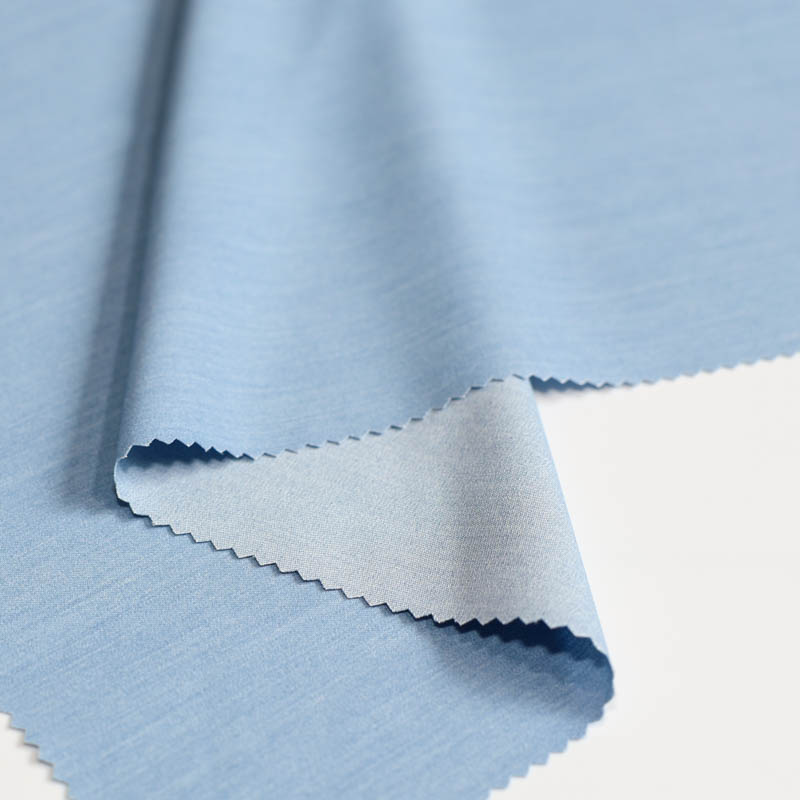
The kind of fabrics popular today changes often, but some always stay in style. Right now, soft fabrics that feel good on skin are very popular. Cotton is still a favorite because it’s natural, easy to work with, and breathable. Designers like cotton for casual dresses or summer wear. Linen is also trending because it’s light and has a nice texture, but it wrinkles easily. Silk remains a luxury choice. It looks rich and moves beautifully. Some designers mix silk with other fibers to make it stronger or cheaper. Polyester fabrics are common too. They last long and resist wrinkles, but some people find them less comfortable. Many designers choose blends—mixing natural and synthetic fibers—to get the best features of both. For example, a cotton-polyester blend can be soft but also wrinkle-resistant. Recently, fabrics with interesting textures like velvet or satin have made a comeback. Velvet feels plush and adds a royal touch to dresses. Satin shines and is perfect for evening wear. Prints and patterns are important too. Floral prints never go out of style, but geometric shapes and abstract designs are gaining ground. Designers find these patterns fresh and modern. Stretch fabrics like spandex blends are great for tight-fitting dresses because they allow freedom of movement. Eco-friendly fabrics, like those made from bamboo or recycled materials, attract designers thinking about the planet. These fabrics often feel soft and are gentle on the skin. However, they can cost more and sometimes need special care when sewing. Choosing the right fabric depends on the dress design, who will wear it, and for what occasion. A party dress needs very different fabric than a dress for everyday school or work. Xinyang offers a wide variety of fabrics, including many trending options. They keep up with what designers want and provide materials that look good and work well in real life. Picking fabric isn’t just about looks—it’s about the story the designer wants to tell through color, texture, and feel. The best fabric brings a dress to life.
What Are the Common Dress Fabric Selection Mistakes to Avoid in Wholesale Buying?
When fashion designers buy dress fabrics in large amounts, they need to be very careful. Choosing the wrong fabric can cause problems later, like poor quality clothes or unhappy customers. One common mistake is not checking the fabric’s feel and quality before buying. Sometimes, fabrics look good in pictures or under bright lights, but when you touch them, they might feel rough or too thin. This can make the dress uncomfortable to wear or cause it to wear out quickly. At Xinyang, we always remind designers to ask for fabric samples first. By touching and testing samples, designers can make better choices and avoid surprises.
Another mistake is ignoring the fabric’s care instructions. Some fabrics need special washing or ironing. If designers don’t think about this, customers might find the dress hard to care for, which can lead to bad reviews or returns. For example, a fabric that wrinkles easily might not be good for everyday wear. When buying wholesale, it’s smart to choose fabrics that are easy to clean and maintain. Xinyang helps designers by providing clear care details for every fabric, so they can pick the best option.
Designers sometimes pick fabrics just because they look trendy, without thinking about how the fabric fits the dress design. A fabric that is too stiff won’t work well for a flowing dress, and a very soft fabric might not hold shape for a structured style. This mistake can make the final dress look different from the original idea. At Xinyang, we guide designers to match fabric types with their dress styles. This way, the fabric and design work well together.
Finally, not checking the fabric’s color fastness is a big mistake. Color fastness means how well the fabric holds its color after washing or exposure to sunlight. Some fabrics fade quickly, which makes the dress look old fast. Wholesale buyers should always ask about color fastness tests. Xinyang fabrics go through strict color tests to ensure long-lasting beauty. Overall, avoiding these mistakes helps fashion designers save money, make great clothes, and keep customers happy.
Where to Source Sustainable Dress Fabrics for Wholesale Fashion Designers?
Sustainability is becoming very important in fashion today. Many people want clothes that are kind to the environment. For fashion designers buying fabrics in bulk, choosing sustainable fabrics is a smart choice. But where can they find these fabrics? Xinyang offers many options for sustainable dress fabrics that are good for both the planet and your designs.
Sustainable fabrics come from materials that are natural, renewable, or recycled. For example, organic cotton is grown without harmful chemicals, which helps protect the earth and farmers. Bamboo fabric is another good choice because bamboo grows fast and doesn’t need much water. When buying fabrics wholesale, designers should look for certificates that prove the fabric is sustainable. Xinyang works closely with trusted suppliers who provide these certificates, so designers can be sure they are buying green fabrics.
Another way to find sustainable fabrics is by choosing recycled materials. Some fabrics are made from recycled plastic bottles or old clothes. This helps reduce waste and gives new life to old materials. At Xinyang, we offer fabrics made from recycled fibers, helping designers create eco-friendly fashion collections.
It’s also important to think about how the fabric is made. Sustainable fabrics are produced with less water, less energy, and fewer chemicals. Xinyang’s sustainable fabric choices come from mills that follow these green rules. This means the fabric production harms the environment less.
Buying sustainable fabrics in wholesale can sometimes cost a bit more, but it is worth it. Customers today care about the planet and often want to buy from brands that use eco-friendly materials. Using sustainable fabrics can make your designs more popular and help build a good reputation. Xinyang is proud to support fashion designers in making smart, eco-friendly fabric choices while still offering high quality and stylish options.
How to Match Dress Fabric Choices with Current Fashion Design Trends
Fashion changes all the time. What is popular one year might not be the next. For fashion designers, choosing the right fabric that fits current trends is very important. When designers work with Xinyang, they get help to pick fabrics that are stylish and suit the latest fashion ideas.
One big trend today is comfort. Many people want clothes that feel good to wear but still look nice. Soft fabrics like jersey, modal, and lightweight cotton are stretch dress fabric very popular. These fabrics stretch a little and feel smooth on the skin, making them perfect for casual dresses or sporty styles. Designers should think about making clothes that people want to wear all day. Xinyang offers many soft and comfy fabrics that match this trend.
Another trend is sustainability, which means using eco-friendly materials. Designers who want to be trendy can choose fabrics made from organic cotton, linen, or recycled fibers. These fabrics not only look good but also tell a story about caring for the planet. Xinyang’s sustainable fabric collection is always updated to include the latest eco-friendly options that fit current fashion movements.
Texture and patterns are also very important in fashion trends. For example, fabrics with a shiny surface like satin or velvet are popular for evening dresses and special occasions. Designers can also use dress stretch fabric fabrics with floral prints, stripes, or abstract designs to follow what is popular on runways. Xinyang provides a wide range of textures and prints so designers can easily find the right fabric to match the trend they want.
Finally, color matters a lot in fashion trends. Each season has its favorite colors. Sometimes designers need light pastel colors for spring or bold bright colors for summer. Xinyang keeps track of color trends and offers fabrics in the season’s stretch jersey dress fabric most wanted shades. This helps designers create dresses that look fresh and fashionable.
In summary, matching fabric choices with fashion trends means thinking about comfort, sustainability, texture, print, and color. Xinyang helps designers make these choices easy by offering a large selection of trendy, high-quality dress fabrics. This way, designers can create clothes that customers love and that fit the mood of the moment.