
Design Tips for Long-Lasting Custom Vinyl Signs in Detroit’s Urban Environment
Vinyl signage is a popular choice among business owners. It has a variety of applications indoors and outdoors and can be used on a wide range of smooth surfaces. You can instantly transform the walls, windows, and floors of your facility with signs that communicate your brand message.
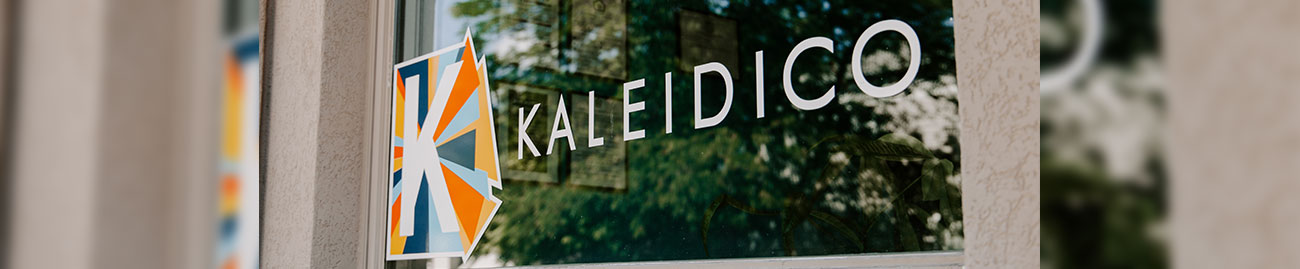
Detroit’s commercial landscape is vibrant, competitive, and constantly evolving. From busy downtown corridors to neighborhood shopping districts, businesses rely heavily on custom vinyl signs to attract attention, communicate clearly, and reinforce brand identity. However, Detroit’s urban environment—characterized by variable weather, pollution, heavy foot traffic, and strict sign regulations—can significantly impact the lifespan of vinyl signage.
To ensure your investment delivers long-term value, thoughtful design and material choices are essential. Below are practical, field-tested design tips to help businesses create long-lasting custom vinyl signs that perform well in Detroit’s demanding conditions.
1. Choose Vinyl Materials Designed for Outdoor Durability
Not all vinyl is created equal. One of the most common mistakes businesses make is selecting low-cost, short-term vinyl for applications that require durability.
For exterior signs in Detroit:
- Use cast vinyl instead of calendered vinyl for better flexibility and resistance to cracking.
- Look for vinyl rated for 5–7 years or more of outdoor exposure.
- Ensure the vinyl includes UV inhibitors to reduce fading from sun exposure, especially on south-facing storefronts.
High-quality materials may cost more upfront, but they significantly reduce replacement frequency and maintenance costs.
2. Design with Detroit Weather in Mind
Detroit experiences hot summers, freezing winters, snow, rain, and wind—all of which affect vinyl adhesion and appearance.
To account for these conditions:
- Avoid overly thin lettering that may peel or curl in extreme temperatures.
- Use strong, weather-resistant adhesives suitable for metal, glass, brick, or painted surfaces.
- Incorporate adequate spacing between design elements to prevent lifting at the edges.
A design that looks excellent on screen must also perform well through seasonal temperature swings.
3. Prioritize High-Contrast, Fade-Resistant Colors
Urban environments create visual clutter—traffic signs, storefronts, advertisements, and architectural details compete for attention. Color choice plays a critical role in both visibility and longevity.
Best practices include:
- Using high-contrast color combinations for readability from a distance.
- Avoiding overly bright neon shades unless they are specifically rated for UV resistance.
- Selecting matte or satin finishes for areas with heavy glare from sunlight or street lighting.
Fade-resistant pigments ensure your brand remains sharp and professional for years, not months.
4. Keep Typography Simple and Scalable
Complex fonts may look stylish initially, but they often age poorly—especially outdoors.
For long-lasting impact:
- Choose clean, bold typefaces that remain legible as vinyl naturally ages.
- Avoid ultra-thin strokes or decorative scripts for exterior signage.
- Design typography that scales well across different sign sizes and applications, from window graphics to wall decals.
Clear typography not only improves longevity but also ensures compliance with local readability standards.
5. Design for the Surface, Not Just the Message
Detroit businesses apply vinyl signs to a wide range of surfaces, including glass storefronts, brick walls, aluminum panels, and painted concrete. Each surface interacts differently with vinyl.
Design considerations should include:
- Adjusting layouts for uneven or textured surfaces like brick.
- Using contour-cut vinyl for glass to prevent edge lifting.
- Allowing for surface expansion and contraction due to temperature changes.
A surface-aware design extends the life of the vinyl and preserves visual integrity.
6. Account for Urban Wear and Tear
High-traffic areas expose vinyl signs to physical stress, including cleaning, accidental contact, and vandalism.
To mitigate damage:
- Use protective overlaminates to guard against scratches and graffiti.
- Position critical design elements away from high-touch zones when possible.
- Choose finishes that are easy to clean without harsh chemicals.
Durability is not just about weather—it is also about everyday urban interaction.
7. Comply with Local Sign Codes from the Start
Detroit enforces signage regulations related to size, placement, window coverage, and visibility. Designing without these rules in mind can result in costly modifications or removals.
Before finalizing your design:
- Confirm allowable vinyl coverage for windows and doors.
- Ensure branding elements do not obstruct required visibility or safety signage.
- Design within permitted dimensions to avoid enforcement issues.
Compliance-focused design protects both your sign and your business reputation.
8. Work with Experienced Vinyl Sign Professionals
Even the best design can fail if improperly produced or installed. Professional sign companies understand Detroit’s environmental challenges and installation best practices.
Expert involvement ensures:
- Proper surface preparation for maximum adhesion.
- Precision installation to avoid bubbles, wrinkles, or premature peeling.
- Design adjustments that improve durability without sacrificing aesthetics.
This partnership is often the difference between a sign that lasts one year and one that lasts seven.
Final Thoughts
Long-lasting custom vinyl signs in Detroit require more than creative design—they demand strategic planning, material expertise, and environmental awareness. By selecting the right vinyl, designing for weather and surfaces, prioritizing readability, and partnering with professionals, businesses can create signage that remains effective and visually strong for years.
In a city as dynamic as Detroit, durable vinyl signage is not just an aesthetic choice—it is a smart, long-term branding investment.