
Can Composite Resin Bonding Fix Tooth Sensitivity? Myths and Facts!
Discover how gum therapy can help treat tooth sensitivity, gum recession, and inflammation. This myths from facts and explains how gum therapy works to restore oral health and prevent further damage for long-term dental wellness.
Tooth sensitivity can significantly affect your quality of life—making everyday tasks like sipping a hot coffee or enjoying an ice cream painful. While there are several treatment options, composite resin bonding teeth is emerging as a popular solution. Here we understand how composite resin bonding works and whether it’s the right choice for your needs.
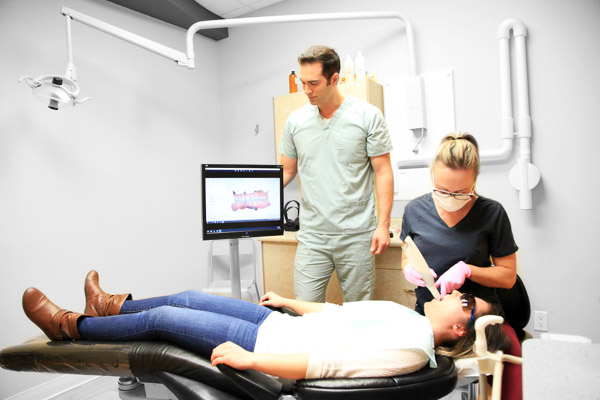
What Is Composite Resin Bonding?
Composite resin bonding is a cosmetic and restorative dental procedure that involves applying a tooth-colored resin material to the teeth. This resin is carefully shaped and hardened with a special light to restore the tooth’s natural appearance and function.
It is commonly used for:
- Repairing chipped or cracked teeth
- Closing gaps between teeth
- Reshaping uneven teeth
- Covering discoloration or stains
- Protecting exposed tooth roots caused by gum recession
Understanding Tooth Sensitivity
Tooth sensitivity typically occurs when the dentin, the layer beneath the enamel, becomes exposed. This can happen due to:
- Gum recession
- Enamel erosion
- Cracked or worn teeth
- Aggressive brushing or gum disease
Once the dentin is exposed, nerve endings inside the tooth react to hot, cold, sweet, or acidic stimuli, causing discomfort.
Can Composite Resin Bonding Help Tooth Sensitivity?
Yes, in many cases, composite resin bonding can help reduce or eliminate tooth sensitivity, especially when it's caused by exposed root surfaces due to gum recession.
How It Helps:
- Seals Exposed Dentin: The bonding material covers and seals the exposed root surface, preventing external stimuli from reaching the nerves.
- Restores Tooth Structure: It rebuilds areas of lost enamel or chipped portions, reducing sensitivity caused by structural damage.
- Barrier Against Bacteria: Bonding also acts as a shield against plaque and acid exposure, which can worsen sensitivity over time.
Common Myths About Composite Resin Bonding for Sensitivity
Myth 1: Bonding Only Serves Cosmetic Purposes
Fact: While it is commonly used for cosmetic enhancements, bonding also plays a functional role in reducing discomfort from sensitivity and protecting vulnerable areas of the tooth.
Myth 2: It's a Permanent Fix
Fact: Composite bonding is durable but not permanent. With good oral hygiene, it can last 5–10 years, but touch-ups may be needed over time.
Benefits of Composite Resin Bonding for Sensitive Teeth
- Non-invasive procedure
- Quick treatment—often done in one visit
- Immediate relief from sensitivity
- Natural appearance
- Affordable compared to other cosmetic treatments
Is It Right for Everyone?
Composite resin bonding is generally safe and effective, but it may not be suitable for everyone. If your sensitivity is caused by tooth decay, grinding (bruxism), or severe gum disease, your dentist might recommend other treatments before bonding. A professional dental evaluation is essential to determine the best course of action.
Conclusion
Composite resin bonding can be a practical and effective solution for treating tooth sensitivity—especially when it's due to exposed roots or minor enamel loss. By sealing and protecting sensitive areas, bonding not only improves the function of your teeth but also enhances your smile.
If you are in Merritt, BC, and struggling with tooth sensitivity, we recommend visiting Cascade Family Dental. Their team offers expert care in composite resin bonding teeth and can guide you toward a pain-free, confident smile.